
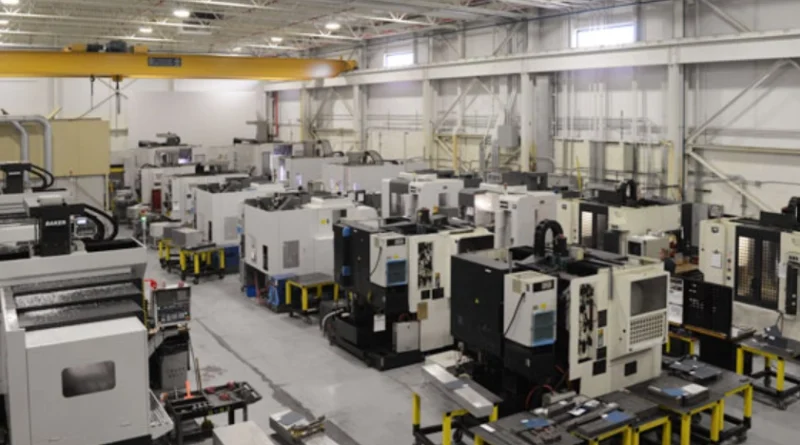
Can AI CNC Programming Truly Redefine Toolpath Automation Efficiency
The Emergence of AI in CNC Programming
Artificial intelligence has slowly changed the way modern manufacturing works. In CNC machining, it does more than just handle boring tasks. It alters how toolpaths get made, improved, and checked. For workers dealing with tricky shapes or strict limits, AI CNC programming marks a big change from hand-written code to smart systems that pick up lessons from each slice. I’ve seen shops where old ways took forever, but now things speed up nicely.
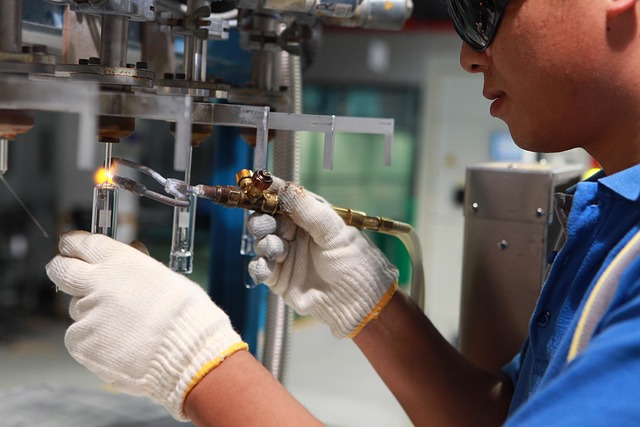
The Role of Artificial Intelligence in CNC Systems
AI stands at the heart of plenty of CAD/CAM setups these days. You don’t have to spell out each cut by hand anymore. Instead, AI tools pull complex toolpaths right from 3D designs. They look at the shape, the material, and info from past jobs to come up with good cutting plans. Machine learning checks things like spindle pressure, shakes, and how smooth the surface ends up. It tweaks settings on its own. As time goes on, these setups get sharper. Each job adds data that makes the next one better. This ongoing cycle cuts down mistakes and stops machines from sitting idle on the shop floor. In one factory I heard about, errors dropped by half after a few months of this.
Evolution from Conventional CNC Programming to AI-Driven Automation
Old-school G-code work always needed sharp operators who knew tools and machine habits well. That know-how still counts a lot. But now, guess-ahead tools add to it by testing toolpaths in a virtual world before any real cutting starts. AI software builds digital twins. These are exact copies of machines and parts in the computer. They predict how things will go under various setups. Then, they match those predictions with info from real sensors. This cuts out the guesswork that used to eat up hours of setup time. It’s like having a safety net that saves real effort.
Enhancing Toolpath Automation Through AI Algorithms
When AI takes charge of making toolpaths, you get quicker work and wiser cuts. These algorithms pull lessons from tons of earlier runs. They spot the best cutting orders for certain materials or part bits. Sometimes, though, they surprise you with paths you wouldn’t think of right away.
How AI Optimizes Toolpath Generation
Brain-like networks in CAM software spot shapes that point to good starting spots or tool tilts. They cut down empty moves where the tool just hangs in the air. So, tools focus more on actual cutting and less on shifting around. Live fix tools watch spindle pull or rattle signs. They keep the surface even if materials shift a bit from batch to batch. Take an aluminum bracket for planes, for example. It might need small speed changes halfway through. An AI system handles that on the spot, no need for a worker to step in. In practice, this has shaved minutes off jobs that used to drag.
Data Utilization for Predictive Toolpath Refinement
Each cut job spits out useful info. Think temperatures, shake patterns, power use lines. When you gather and study all that together, it builds models that guess ahead and tweak paths for later runs. Sensor inputs let the system adjust speeds on the fly if cutting gets heavy from uneven material or dull tools. Steady watching holds things steady amid changing pressures. It also catches tool wear early, before a breakdown hits. One shop reported catching a bad tool just in time, saving a whole shift’s worth of scrap.
Redefining Efficiency in CNC Programming Workflows
AI doesn’t wipe out programmers at all. It changes what they do. You spend less time on repeat stuff like pockets or holes. Instead, you think about big-picture plans, like picking tools or lining up steps across several machines. It’s a relief for busy teams.
Reduction of Manual Intervention in CAM Operations
Auto shape spotting picks out cuttable areas straight from CAD files. It sets up plans without anyone typing. Smart choice of settings matches what the design wants, like tight fits or smooth finishes noted in the file. So, you turn your focus to better setups, not line-by-line code. This shift feels natural after a bit of getting used to it.
Time Savings and Process Consistency Across Production Runs
By handling basic math like spacing or entry paths, AI trims programming time a good deal, often 30 to 50 percent based on how tough the part is. Set paths from shared algorithms give the same results, no matter if it’s one plant or machines spread worldwide. Less setup means faster test runs and quicker fixes when designs tweak. In high-volume spots like auto parts lines, this consistency keeps quality steady without extra watch.
Integrating AI CNC Programming into Smart Manufacturing Environments
The real power of AI CNC programming shows up when it links to wider smart factory setups. There, IoT gadgets and online data crunching join forces. It’s exciting to think how connected everything can get.
Connectivity Between AI-CNC Systems and IoT Infrastructure
Today’s workshops tap cloud storage for job histories you can pull from any desk or even far away. Linked machines pass along tuned paths, so a fix found in one area spreads quick to others with like setups. Pooled data also sparks upkeep guesses, like spotting worn bearings or low coolant before quality dips. One example: a team fixed a pump issue remotely, dodging a full stop.
Role of Digital Twins in Closed-loop Optimization
Digital twins mirror real machines in virtual space. You can run tests there first under make-believe conditions. When you go live, feedback circles compare what was expected to what really happens, like run times or size checks. Keeping these models in sync with actual gear lets auto fixes kick in if things stray during a job. This holds output true to plans without hand tweaks. It’s like the machine self-corrects, which is pretty handy in long runs.
Challenges and Considerations in Implementing AI CNC Programming
For all its good points, rolling out this advanced setup isn’t simple for every place. Some hurdles pop up that need real thought.
Technical Barriers to Full Automation Adoption
Old gear often misses the power or hookup fit for new AI add-ons. Quick thinking needs strong controls that juggle hard math with move commands. Data matching stays tricky too. Blending info from varied sensors, file types, or old programs gets tangled without clear rules. In smaller shops, upgrading might cost more upfront than expected, but it pays back over years.
Human Expertise and Oversight in an Automated Environment
Even as systems learn on their own, people must keep an eye out. Skilled workers read what the AI suggests against shop realities, like if speeds push past safe points due to weak holds or poor flow. Training now mixes old CNC skills with number crunching and basic learning tech. This way, teams guide the auto parts well. It’s key to blend human smarts with machine help.
Future Directions for AI-driven Toolpath Innovation
Ahead, AI CNC programming should grow past half-auto ways into setups that decide alone based on shop happenings. The ideas keep building, and it’s fun to watch.
Advancements in Self-learning Machining Systems
Trial-and-reward learning could let machines try things safely in virtual spots before real use. They adjust speeds or path tilts via fake runs scored on things like less wear or better textures. Adding eye-like sensors for tool pics in the moment might steer fixes during fine milling. Picture a system spotting a chip buildup and slowing just enough—small wins add up.
The Path Toward Fully Autonomous Manufacturing Cells
Coming cells might team helper robots for moving stuff with AI CNC brains running tuned jobs on their own. Planner tools would shift tasks based on load guesses from use patterns and fix schedules. This builds a balanced setup where output flexes with needs. In busy fields like medical parts, this could mean round-the-clock runs with less waste.
FAQ
Q1: What makes AI CNC programming different from traditional methods?
A: It swaps hand G-code for smart auto that pulls from cut data to make good toolpaths on its own. This beats old ways in speed and smarts.
Q2: Can older CNC machines support AI integration?
A: Some old units get add-on smart boxes or outside computers, but they hit walls from hardware limits and link rules. It’s doable but not always smooth.
Q3: How does sensor feedback improve machining accuracy?
A: Sensors track pulls and shakes. Their inputs let on-the-spot tweaks hold even finishes amid changing weights. Real data keeps things true.
Q4: Are human programmers still needed when using AI-driven CAM software?
A: Yes, since people check AI picks against real limits like tool edges or safe steps. Oversight keeps it safe and right.
Q5: What industries benefit most from adopting AI CNC programming?
A: Plane building, car making, health tools, and mold shops see big gains from tight needs and wild shapes. They cut time and boost quality a lot.