
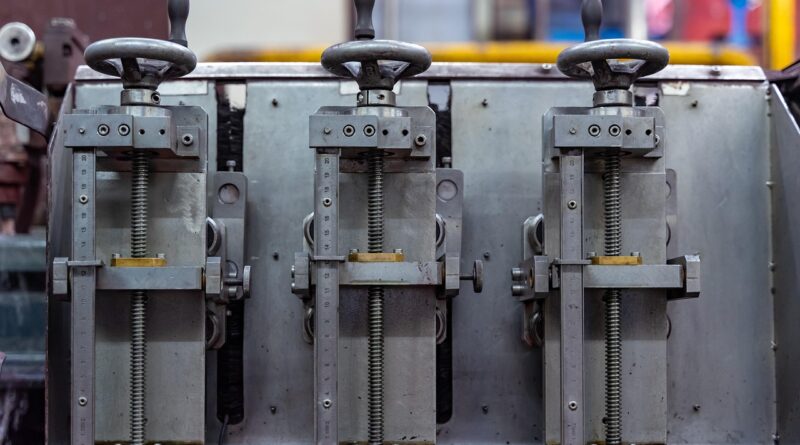
Numerical control machining explained for modern manufacturing
What numerical control machining means
Numerical control machining is the use of coded numerical instructions to control the movement and operation of a machine tool. In most modern shops, the term is discussed alongside computer numerical control, or CNC, because computers now prepare, store, edit and execute most machining programs. The basic principle is straightforward: instead of depending on an operator to guide every cut by hand, the machine follows a defined program that controls tool position, feed, spindle speed, tool changes and other machine actions.
For manufacturers, the value is not automation for its own sake. Numerical control machining matters because it can make complex geometry repeatable across parts, shifts and production lots. It supports milling, turning, drilling, boring, grinding, routing and other subtractive processes where the relationship between the cutting tool and the workpiece must be controlled precisely. It also links machining with digital design and manufacturing workflows, which is why it remains central to many modern machining processes.
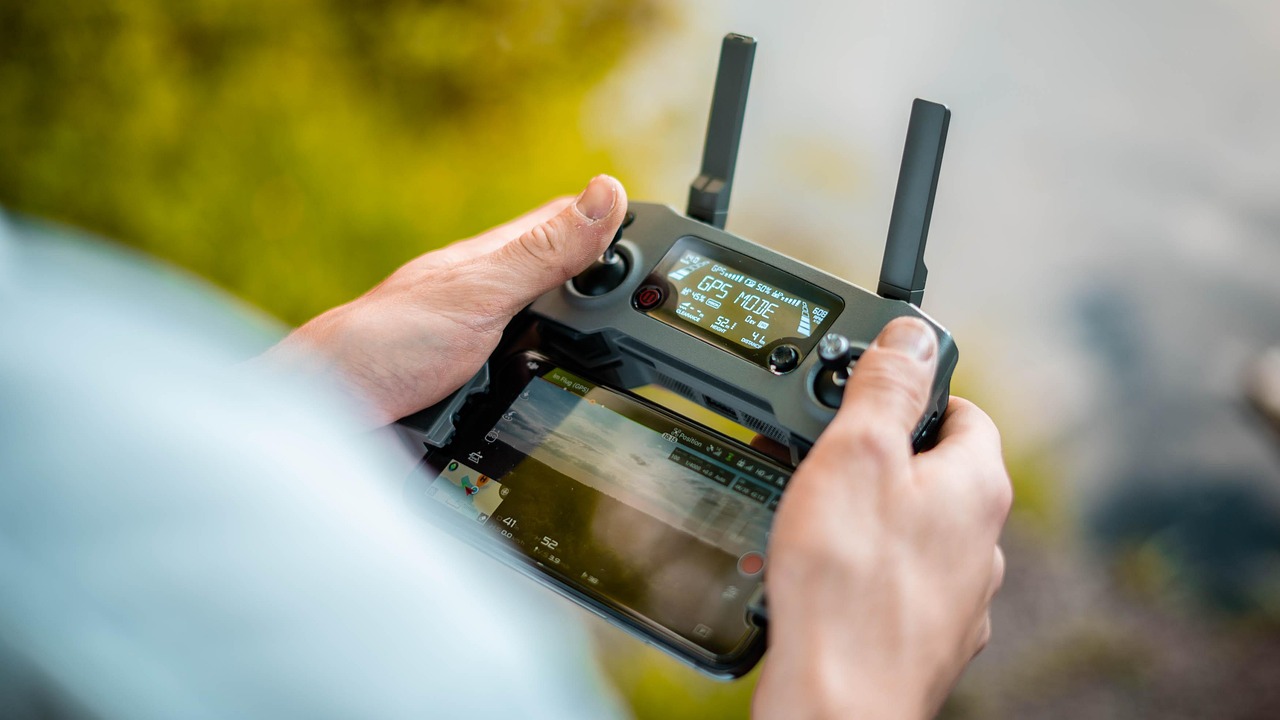
A useful distinction is that numerical control, or NC, describes the general method of controlling machines through coded instructions. Computer numerical control, or CNC, describes the now-dominant implementation in which a computer-based controller interprets, stores and manages those instructions. Historical summaries from the National Institute of Standards and Technology place the first generation of NC machine tools in the 1950s. Today’s CNC systems are much more closely integrated with CAD, CAM, probing, tool management and production monitoring.
How the NC-to-CNC workflow works
A numerical control machining job begins well before the machine starts cutting. The part geometry, material, tolerance requirements, workholding plan, cutting tools and machine capabilities all affect the final program. A typical workflow includes the following steps, although the details differ between job shops, production cells and automated lines.
- Part definition: The process starts with a drawing, 3D model or manufacturing data package that defines the required geometry and tolerances.
- Process planning: A programmer or manufacturing engineer selects the machining sequence, setups, cutting tools, fixtures, stock allowance and inspection points.
- Toolpath creation: CAM software or manual programming creates the motion instructions needed to remove material in the planned order.
- Post-processing: The toolpath is translated into a format and dialect the target machine controller can interpret.
- Setup and verification: The operator loads tools, secures the workpiece, sets offsets, checks coolant and verifies the program through simulation, dry run or single-block operation where appropriate.
- Machining and inspection: The machine executes the program while operators monitor cutting conditions, tool wear, chip evacuation and part quality.
This workflow is why numerical control machining should not be treated as a fully automatic substitute for process knowledge. The program can repeat motion accurately, but it cannot correct poor fixturing, weak tool selection, unstable cutting conditions or unclear tolerances by itself. Skilled programmers and machinists remain essential because they turn design intent into a stable cutting process.
Common machine types and control modes
Numerical control can be applied to many machine tools, but the most familiar examples are mills, lathes and machining centers. Each uses controlled axes to move the tool, the workpiece or both. The number of axes matters, but it should not be treated as a simple quality ranking. A three-axis mill can be the right choice for many prismatic parts, while a five-axis machining center is valuable when complex surfaces, fewer setups or difficult tool access justify the added cost and programming complexity.
| Machine or process | Typical NC-controlled actions | Common use cases |
|---|---|---|
| CNC milling | Linear and rotary tool movement, spindle speed, feed rate, tool changes | Slots, pockets, contours, molds, dies and precision housings |
| CNC turning | Spindle rotation, tool feed, turret indexing, boring and threading cycles | Shafts, bushings, fittings, threaded components and rotational parts |
| Mill-turn machining | Combined turning, milling, drilling and synchronized axes | Parts that would otherwise require several separate setups |
| CNC grinding | Wheel position, feed, dressing cycles and part rotation | Fine finishes, tight dimensional control and hardened components |
| CNC routing or cutting | Toolpath motion, depth control and cutting speed | Sheet materials, plastics, composites, wood and light alloys |
Control modes also differ. Point-to-point control is suitable for operations such as drilling, where the tool moves to a position and performs an action. Continuous path or contouring control is needed when the tool must cut along curves, surfaces or coordinated multi-axis paths. ISO 6983-1:2009, a standard for numerical control of machines, addresses program format and address words for positioning, line motion and contouring systems. In practice, controller-specific versions of G-code and M-code still require careful post-processing and validation.
Benefits and limits in production
The main advantage of numerical control machining is repeatability. Once a stable program, setup and inspection plan are proven, the same instructions can be used to produce additional parts with less variation from manual hand control. This is especially useful for features that require coordinated tool motion, consistent depth, repeated hole patterns or complex surfaces.
Flexibility is another important benefit. A CNC machine can often move from one job to another by changing the program, tools, workholding and offsets. That makes NC machining useful not only for high-volume production, but also for prototypes, spare parts, bridge production and families of parts with similar setups. Digital programs can also make revisions easier to manage than purely manual instructions, provided version control is disciplined.
The limits are just as important. Numerical control machining can reduce operator-dependent variation, but it does not remove the physics of cutting metal, plastics or composites. Tool deflection, heat, vibration, spindle condition, machine geometry, material inconsistency and fixture movement can still affect accuracy. A program that works well in aluminum may fail in stainless steel. A finish pass that looks stable during a short cycle may drift as tools wear. A tight tolerance may require probing, thermal control or secondary inspection rather than toolpath changes alone.
Cost is another constraint. CNC equipment, CAM software, tooling, maintenance, coolant systems, chip management and metrology all add expense. For one-off parts with simple geometry, manual machining or a simpler fixture may be faster and cheaper. For very high volumes, dedicated tooling, transfer lines, casting, forging, stamping or molding may outperform CNC machining after the design is mature. The right choice depends on geometry, material, tolerance, quantity, lead time and change frequency.
Programming formats, data flow and interoperability
Programming is where numerical control machining connects mechanical design to machine motion. Traditional NC programming often centers on G-code, which tells the controller where and how to move. M-codes typically manage auxiliary functions such as coolant, spindle direction or program stops. Although G-code is widely recognized, it is not perfectly universal. Machines can differ by controller brand, option package, axis configuration, canned cycles, macro features and shop-specific post-processor settings.
For that reason, post-processing is a serious manufacturing step, not just a file conversion formality. The CAM system may generate a toolpath in a controller-neutral environment, but the posted output must match the actual machine. Errors in units, offsets, tool numbers, rotary axis behavior, work coordinate systems or safe retracts can cause scrap or machine damage. Good shops treat program prove-out, simulation and first-article inspection as risk controls rather than optional paperwork.
There has also been long-running work to improve interoperability beyond traditional controller code. NIST publications have discussed STEP-NC as an approach that connects product and manufacturing information more directly to CNC systems. In that context, ISO 14649 is commonly associated with the application reference model, while ISO 10303 AP 238 is associated with the application interpreted model. The promise is richer digital information flow between CAD, process planning, CAM, CNC and inspection. The practical reality is more measured: conventional G-code remains deeply embedded, while more advanced data standards and machine connectivity are adopted where the business case, equipment and software ecosystem support them.
Quality, safety and workforce considerations
Quality in numerical control machining depends on the full process chain. A precise program does not guarantee a precise part unless the machine, tool, fixture, material and inspection method are capable. Important controls include tool length and diameter offsets, work coordinate verification, cutter compensation, tool life rules, coolant condition, spindle warm-up where needed and documented inspection plans. See also: CNC Machining.
In regulated or high-reliability sectors, traceability also becomes important. Shops may need to preserve program revisions, setup sheets, inspection records, material certifications and nonconformance history. Even outside regulated industries, version control helps prevent a common failure mode: an old or locally edited program being used after a design or process change.
Safety deserves the same level of attention. OSHA’s machine-guarding materials identify fundamental machine areas such as the point of operation, power transmission components and operating controls. CNC machines can reduce direct hand contact during cutting, but they introduce other hazards, including rotating spindles, automatic tool changers, moving axes, chips, coolant mist, stored energy and unexpected restart risks. Guards, interlocks, lockout procedures, training and safe setup practices remain essential.
The workforce impact is also often misunderstood. Numerical control machining does not simply replace machinists with code. It changes the skill mix. Operators need to understand offsets, tool wear, part loading, inspection and abnormal sounds or chip conditions. Programmers need machining judgment, not only CAM software knowledge. Manufacturing engineers need to balance cycle time, process capability, maintenance and cost. The strongest operations combine digital tools with practical shop-floor feedback.
When numerical control machining is the right fit
Numerical control machining is usually a strong fit when a part has moderate to complex geometry, repeat production needs, tight relationships between features or frequent design changes that would make dedicated tooling risky. It is also valuable when the same machine can produce several related parts through controlled changes to programs, fixtures and tools.
It may be a weaker fit when the geometry is extremely simple, tolerances are loose, quantities are too low to justify programming and setup, or quantities are so high that a dedicated process has a lower unit cost. It can also be a poor fit if the part design ignores machining access, tool reach, corner radii, wall thickness, burr control or inspection needs. In those cases, design for manufacturability can matter more than machine capability.
A practical decision should compare more than hourly machine rates. The better question is whether the process can meet the required quality, quantity and lead time with acceptable risk. That means considering programming time, setup time, tool consumption, inspection load, scrap risk, operator skill, machine availability and the likelihood of future revisions.
Frequently asked questions
Is numerical control machining the same as CNC machining?
They are closely related but not identical terms. Numerical control is the broader method of controlling machine tools with coded instructions. CNC machining is the modern computer-based form of that method and is what most manufacturers mean when they discuss NC machining today.
What materials can be machined with numerical control?
Common materials include aluminum, steels, stainless steels, titanium alloys, copper alloys, engineering plastics, composites and wood-based materials for routing applications. The workable material range depends on the machine tool, spindle power, rigidity, tooling, coolant strategy and workholding.
Does CNC machining always produce tighter tolerances than manual machining?
No. CNC machines can repeat programmed motion very well, but tolerance depends on the entire process. Machine condition, setup quality, tool wear, temperature, cutting forces, inspection method and operator decisions all affect the final result.
Why do CNC programs need verification?
Verification helps catch errors before cutting valuable material or risking a crash. It can reveal wrong offsets, incorrect tools, unsafe rapid moves, fixture interference, unit mistakes, post-processor issues and unexpected rotary axis behavior.
What is the biggest mistake when adopting numerical control machining?
The biggest mistake is treating it as a machine purchase rather than a process system. Successful adoption requires programming discipline, setup control, tooling strategy, inspection planning, maintenance, safety procedures and trained people who understand machining behavior.