Turbocharger Mastery: HiLiQi’s Key to Enhanced Engine Efficiency
In the dynamic world of automotive parts, turbochargers have become pivotal in pushing the boundaries of engine performance and efficiency.
Read More
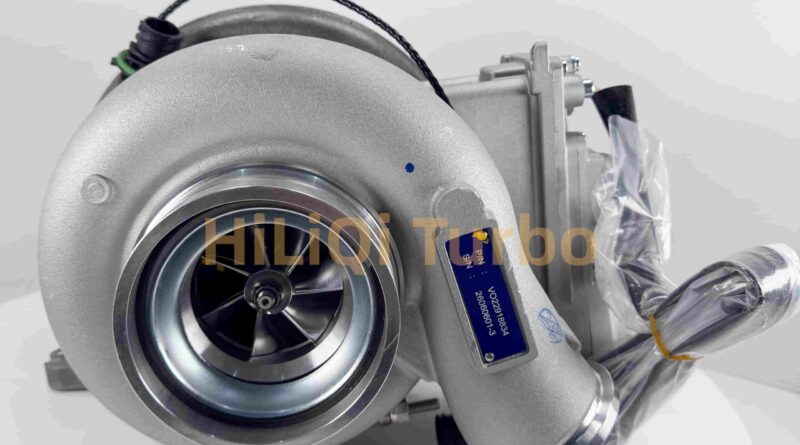
In the dynamic world of automotive parts, turbochargers have become pivotal in pushing the boundaries of engine performance and efficiency.
Read More
Casting machining turns near-net cast metal into parts that are ready for assembly. This article covers when to use it, what to put on the drawing, and how to keep cost, tolerance, and quality under control.
Read More
Lapping machining is used after grinding, turning, or milling when a part still needs flatter faces, lower roughness, or better contact. This guide explains how the process works, where it fits, and what to check before you put it on a drawing or RFQ.
Read More
Plasma machining is a fast thermal cutting method for conductive metals in fabrication, repair, and CNC plate work. This guide covers how it works, where it fits, and what to check before you put it on a drawing or quote.
Read More
A shop-floor guide to EDM for buyers, engineers, and production teams working with hardened steel, carbide, titanium, and other conductive materials.
Read More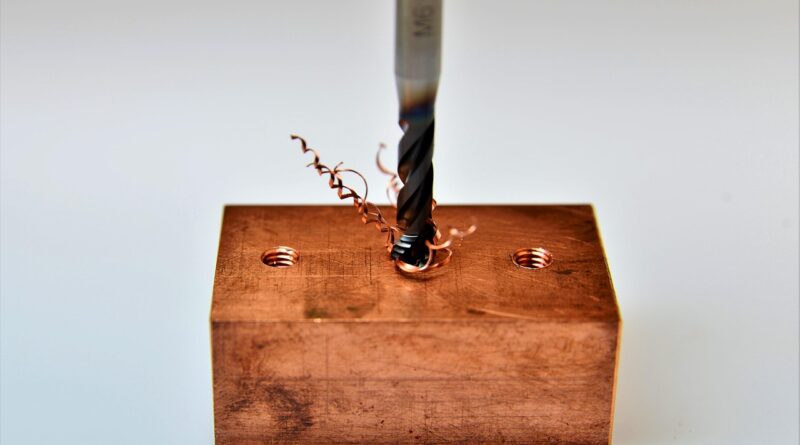
Machining chips are not just scrap. Their curl, color, flow, and coolant carryout can show heat, tool load, safety risk, and part quality problems.
Read More
Secondary machining processes take a cast, forged, molded, formed, or printed blank and bring it to the drawing. This guide covers the common follow-up cuts, when they make sense, and how to plan them so the shop is not losing time on avoidable rework.
Read More
A shop-floor style guide to comparing machining types for metal parts, including turning, milling, drilling, grinding, EDM, laser cutting, and the RFQ points that affect cost and risk.
Read More
A shop-floor style guide to shaft machining for buyers, engineers, and sourcing teams who need steady diameters, clean finishes, and fewer fitting issues in rotating parts.
Read More
ECM machining removes metal by controlled electrochemical dissolution, not by cutter force. It is a good fit for hard conductive alloys, burr-free edges, and difficult shapes where tool wear or heat damage adds cost.
Read More