
What Makes an Oxygen and Acetylene Torch Ideal for Japanese Type Jet Torch Gas Welding Tools
Japanese Type Jet Torch Gas Welding Tools Oxygen Acetylene Propane
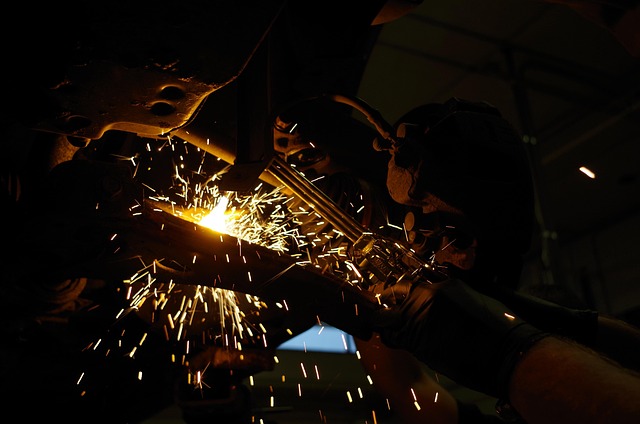
Oxygen and acetylene torches remain the benchmark for precision gas welding tools, particularly within Japanese jet torch systems where control, flame stability, and material adaptability are critical. These torches deliver intense heat with fine modulation, making them indispensable for both industrial fabrication and delicate repair work. Among fuel gases, acetylene stands out for its high temperature and clean combustion, providing unmatched efficiency in fusion welding and cutting operations. When integrated into Japanese-style jet torch designs, the oxygen-acetylene combination achieves exceptional thermal performance, energy density, and ergonomic handling—qualities that define professional-grade welding equipment.
Overview of Oxygen and Acetylene Torches in Gas Welding
Oxygen-acetylene systems have long been central to gas welding due to their ability to generate extremely high flame temperatures. Their versatility supports a range of industrial applications from heavy plate joining to precision brazing.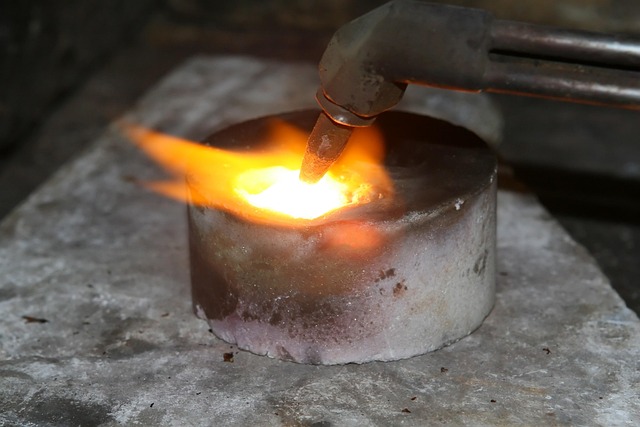
The Role of Oxygen and Acetylene in Welding Applications
In welding applications, oxygen serves as the oxidizer while acetylene acts as the fuel. Together they create a concentrated flame capable of reaching around 3,200°C at the inner cone. This intense temperature allows rapid melting of metals such as steel or copper with minimal contamination. The neutral flame produced when both gases are balanced avoids oxidation or carburization, ensuring clean joints. Because the flame can be finely adjusted between carburizing, neutral, and oxidizing modes, operators gain precise control over heat input—a key factor when working on thin or heat-sensitive materials.
Comparison Between Acetylene, Propane, and Other Fuel Gases
Acetylene’s combustion temperature is significantly higher than propane or natural gas, making it ideal for tasks demanding pinpoint heat concentration. Propane flames are broader and cooler, better suited for general heating rather than precision welding. While propane offers cost advantages in large-scale heating operations, it cannot match the focused energy density of an oxygen-acetylene torch. The latter’s narrow inner cone provides deep penetration during fusion welding and maintains stable combustion even under fluctuating gas pressures.
Characteristics That Define an Ideal Torch for Japanese Type Jet Torch Systems
Japanese jet torch systems emphasize craftsmanship-level precision combined with modern engineering safety standards. Their design philosophy centers on balance—between ergonomics, durability, and flame responsiveness.
Design Precision and Material Compatibility
An ideal Japanese-type jet torch typically features brass or stainless-steel construction to withstand high pressure while resisting corrosion from repeated heating cycles. The handle geometry favors comfort during prolonged use without fatigue. Nozzle design plays a defining role: narrow-bore tips yield sharper flames for cutting thin sheet metal; wider nozzles enable smoother weld puddle formation on thicker sections. High machining accuracy in valve threads prevents leaks that could destabilize combustion.
Flame Control and Efficiency Parameters
Stable flame control depends on consistent gas flow ratios maintained by adjustable regulators. Dual-stage mixing chambers inside advanced torches improve fuel-air homogeneity before ignition, which reduces backfire risk and enhances combustion efficiency. Fine-tuned jets allow seamless switching between cutting, brazing, or localized heating without changing equipment—an advantage valued in multipurpose workshops.
Technical Advantages of Oxygen-Acetylene Combination in Jet Torch Tools
The oxygen-acetylene mix remains unmatched for its temperature range and controllable flame profile. Its technical superiority comes from both thermochemical properties and practical usability.
Temperature Range and Flame Characteristics
The inner cone of an acetylene flame reaches approximately 3,200°C—hot enough to melt ferrous alloys quickly while maintaining structural integrity around the weld zone. A properly adjusted neutral flame minimizes oxidation across different metals including aluminum alloys or brass components. Controlled combustion zones result in cleaner weld beads with reduced spatter formation compared to lower-temperature fuels like propane.
Energy Density and Thermal Transfer Efficiency
High energy density translates into faster preheating times with less gas consumption per unit of work done. This efficiency is particularly noticeable when welding thin materials where excessive heat can cause distortion. By maintaining a balanced oxygen-to-fuel ratio, operators achieve optimal energy output that supports both manual craftsmanship and automated production lines requiring repeatable results.
Integration of Oxygen-Acetylene Torches in Japanese Jet Torch Configurations
Integrating oxygen-acetylene systems into Japanese jet torches demands compatibility with national gas supply standards as well as adaptability to specialized techniques used across industries such as electronics assembly or jewelry manufacturing.
Compatibility with Standard Gas Supply Systems
Japanese industrial setups employ specific pressure fittings designed for secure coupling under variable conditions. Quick-connect mechanisms simplify setup while minimizing leakage risks during maintenance cycles. Pressure regulators calibrated according to local standards maintain steady flow rates even when cylinder pressures fluctuate—a critical factor for consistent flame quality during extended operations.
Adaptation for Specialized Welding Techniques
These torches support diverse processes: fusion welding of mild steel frames, silver soldering of copper pipes in HVAC systems, brazing dissimilar metals in toolmaking, or localized heating during metal forming tasks. Multi-tip heads can be interchanged to switch between wide-area preheating and pinpoint micro-welding without altering the main assembly structure.
Safety Mechanisms in Professional Oxygen-Acetylene Jet Torches
Safety remains integral to any professional-grade torch system because improper handling can lead to flashbacks or explosions under high pressure.
Backfire Prevention and Flashback Arrestors
Modern torches integrate flashback arrestors directly into hose connectors to block reverse gas flow toward cylinders—a mandatory requirement under ISO 5175-1 safety standards recognized globally by professional workshops (ISO). Check valves further isolate each gas stream preventing cross-contamination that could destabilize combustion chemistry.
Handling Protocols for High-Efficiency Torch Operation
Operators follow strict ignition sequences: open acetylene slightly before introducing oxygen to avoid soot-heavy starts; adjust regulators gradually until a neutral flame forms at the tip. Routine leak testing using soapy solutions ensures airtight seals at joints exposed to vibration or thermal cycling. Consistent maintenance not only extends equipment life but also upholds compliance with occupational safety regulations such as those outlined by Japan Industrial Safety & Health Association (JISHA).
Performance Optimization in Japanese Type Jet Torch Welding Tools
Performance optimization focuses on sustaining consistent output through disciplined maintenance practices combined with precise control mechanisms built into modern torches.
Maintenance Practices to Sustain Torch Efficiency
Nozzles require periodic cleaning using reamers or ultrasonic baths to remove carbon deposits that degrade flame symmetry. O-rings should be checked regularly since minor wear can cause micro-leaks affecting pressure balance between gases. Regulator calibration every few months keeps performance steady across workloads ranging from light brazing jobs to heavy-duty cutting tasks.
Enhancing Productivity Through Precision Control Systems
Fine adjustment knobs allow micro-level tuning of flame intensity suited for intricate assembly lines where millimeter-scale accuracy matters. Steady gas delivery improves repeatability whether used manually by skilled artisans or integrated into semi-automated robotic cells common in advanced manufacturing plants across Japan’s automotive sector. Digital monitoring modules now track consumption rates and pressure fluctuations providing traceability essential for ISO 9001 quality management audits.
FAQ
Q1: Why is acetylene preferred over propane for precision welding?
A: Acetylene produces a hotter inner cone around 3,200°C allowing deeper penetration and faster fusion compared to propane’s broader cooler flame better suited for general heating tasks.
Q2: How often should torch regulators be calibrated?
A: Typically every three to six months depending on usage frequency; this maintains consistent pressure balance crucial for stable flames during high-precision operations.
Q3: What causes flashback in an oxygen-acetylene torch?
A: Flashback occurs when combustion travels backward through the mixing chamber due to incorrect pressure settings or clogged nozzles; integrated arrestors prevent this hazard effectively.
Q4: Can Japanese jet torches handle multiple gases besides acetylene?
A: Yes, many models accept interchangeable nozzles enabling use with propane or natural gas though performance parameters differ especially regarding temperature concentration.
Q5: What maintenance step most affects torch lifespan?
A: Regular nozzle cleaning has the greatest impact since carbon buildup distorts flame geometry leading to uneven heating and potential backfire over time.