

How CNC Programming Training Enhances Expertise in Edison Mill Workshops
Edison Offering CNC Mill Programming Workshop
CNC programming training at Edison Mill represents a structured pathway for professionals aiming to refine technical precision and operational control in modern machining. The workshop blends theoretical mastery with real-world exposure, preparing participants to handle industrial-grade CNC systems. Through guided instruction, simulation exercises, and collaborative mentorship, trainees develop advanced programming competence that directly translates into improved productivity and innovation within manufacturing environments.
Advancing Technical Mastery Through CNC Programming Training
In today’s manufacturing landscape, CNC programming stands as the backbone of precision machining. It connects digital design intent with physical execution, ensuring repeatability across production cycles.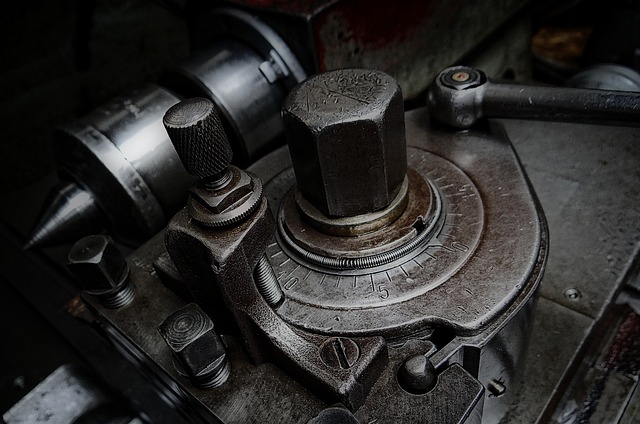
The Role of CNC Programming in Modern Manufacturing
CNC programming defines how machines interpret digital commands into motion control. This discipline dictates both the accuracy and consistency of machined components. Advanced programmers manage intricate toolpaths for complex geometries while maintaining micron-level tolerances. By integrating software logic with mechanical behavior, they achieve higher throughput and reduced waste—key factors in competitive production.
How Structured Training Elevates Machining Expertise
Structured cnc programming training transforms raw technical knowledge into applied skill. Participants progress from basic G-code syntax to advanced macro programming through a systematic approach that mirrors industrial workflows. Real machining exercises reinforce theory, allowing learners to visualize how code changes affect tool motion or surface finish. Over time, trainees internalize efficiency principles that shorten cycle times without compromising quality.
The Edison Mill Workshop Environment as a Learning Ecosystem
The Edison Mill setting functions as a bridge between classroom learning and industrial practice. Its workshops simulate production conditions where learners engage directly with live machinery under professional supervision.
Practical Exposure to Industrial Machinery
Participants interact with high-performance CNC mills identical to those used in aerospace or precision tooling sectors. They program multi-axis machines, monitor spindle performance, and troubleshoot feed inconsistencies in real time. This exposure develops confidence across different platforms—from vertical mills to simultaneous 5-axis centers—building adaptability that textbooks alone cannot provide.
Collaboration Between Instructors and Industry Experts
Instruction at Edison is led by engineers who have spent years in production environments. Their guidance contextualizes theory within real-world constraints such as material variability or thermal distortion. Peer-to-peer collaboration further enhances learning; programmers exchange code strategies or discuss post-processor adjustments that improve workflow efficiency. Mentorship projects culminate in finished parts evaluated for both dimensional accuracy and process stability.
Core Competencies Developed Through CNC Programming Training
Edison’s program emphasizes skills that sustain consistent output under demanding specifications. Graduates leave with measurable competencies applicable across industries from automotive tooling to energy systems.
Precision Programming and Toolpath Optimization
Learners develop methods for controlling cutter engagement angles and minimizing tool wear during extended runs. Simulation-based validation helps identify potential gouges or collisions before machining begins, saving both time and material cost. Emphasis is placed on balancing feed rate with spindle speed to maintain surface integrity while achieving efficient chip evacuation.
Data Interpretation and Process Control
Training extends beyond code writing into analytical process control. Trainees interpret spindle load data, vibration patterns, and feed rate variations to adjust programs dynamically during operation. Statistical process control techniques are introduced to maintain consistency over long production batches—an essential capability for ISO-compliant facilities seeking traceable quality assurance.
Integrating CAD/CAM Systems into CNC Programming Proficiency
Modern manufacturing relies on seamless data flow between design software and machine execution systems. Edison’s curriculum integrates CAD/CAM modules that teach this digital continuity.
The Connection Between Design and Machining Execution
Participants learn how CAD models translate into CAM-generated toolpaths through post-processing workflows. Minor design modifications—like fillet radius changes or pocket depth adjustments—are analyzed for their downstream impact on machining parameters such as step-over distance or cutting strategy selection.
Advanced CAM Features for Complex Components
The course explores adaptive clearing algorithms that maintain constant cutter load during roughing operations, significantly improving material removal rates. Multi-axis interpolation techniques allow accurate machining of freeform surfaces common in turbine blades or medical implants. Simulation tools visualize machine motion paths to detect potential collisions before physical setup.
Enhancing Productivity and Innovation in Edison Mill Workshops
Graduates apply their refined skills immediately within the workshop ecosystem, contributing tangible improvements in efficiency and innovation.
Application of Learned Skills to Real Production Challenges
Optimized programs developed during training are implemented on live projects within the facility. These initiatives demonstrate measurable gains—cycle times drop by double-digit percentages while maintaining tolerance limits within microns. Reduced rework rates further validate the precision achieved through disciplined coding practices.
Encouraging Continuous Learning and Technological Adaptation
Edison promotes lifelong technical growth by hosting periodic update sessions aligned with new software releases or hardware upgrades. Participants explore automation solutions such as robotic part loading or sensor-based feedback integration that reflect current trends toward smart manufacturing systems.
The Strategic Value of CNC Programming Expertise for Industry Professionals
In a market driven by speed, customization, and reliability, cnc programming training provides professionals with strategic leverage across roles ranging from process engineer to operations manager.
Strengthening Workforce Competitiveness Through Skill Advancement
Certified programmers bridge communication between design teams and machine operators, translating product intent into manufacturable processes efficiently. Their credentials signal verified competence—a critical differentiator when bidding for advanced manufacturing contracts or leadership roles overseeing process development initiatives.
Future Outlook for CNC Professionals Trained at Edison Mill Workshops
Graduates emerge equipped for next-generation technologies including digital twin modeling environments where virtual simulations mirror physical machine behavior in real time. As IoT-enabled equipment proliferates across factory floors, these professionals will lead integration efforts ensuring synchronized data exchange between machines, sensors, and enterprise systems—all grounded on the same principles mastered during their training at Edison Mill.
FAQ
Q1: What prior experience is needed for Edison’s cnc programming training?
A: Participants should possess basic mechanical knowledge and familiarity with coordinate systems; prior exposure to manual machining is beneficial but not mandatory.
Q2: How long does the workshop typically last?
A: The standard session spans several weeks combining classroom instruction with supervised lab practice focused on multi-axis milling applications.
Q3: Does the program include certification?
A: Yes, graduates receive formal certification acknowledging proficiency in CNC mill programming aligned with industry standards recognized by manufacturers globally.
Q4: Are simulation tools used extensively during training?
A: Yes, each participant works with advanced CAM simulation software replicating real machine kinematics before executing programs on physical equipment.
Q5: How does this workshop differ from online courses?
A: Unlike remote study formats, Edison’s workshop provides direct access to industrial-grade machinery under expert supervision—a vital factor in developing tactile programming intuition essential for high-precision manufacturing tasks.