
How CNC Training Machine Empowers Utah Adults With Autism Toward Independence
Claiming Independence and Dreams: Machinist Program for Utah Adults With Autism Graduates Inaugural Cohort
Utah’s first machinist program designed specifically for adults with autism marks a turning point in inclusive workforce development. The initiative demonstrates how skill-based CNC training can empower neurodiverse individuals to achieve both employment stability and personal independence. By integrating adaptive teaching methods with industry collaboration, this model bridges the gap between technical education and meaningful careers. As Utah’s manufacturing sector grows, inclusive CNC training programs are not just social initiatives—they’re strategic responses to labor shortages and evolving workforce needs.
The Growing Need for Inclusive Technical Training in Utah
Utah’s manufacturing economy is expanding faster than the national average, yet many adults with autism remain underrepresented in skilled trades. Inclusive technical programs are becoming essential to unlock this untapped potential.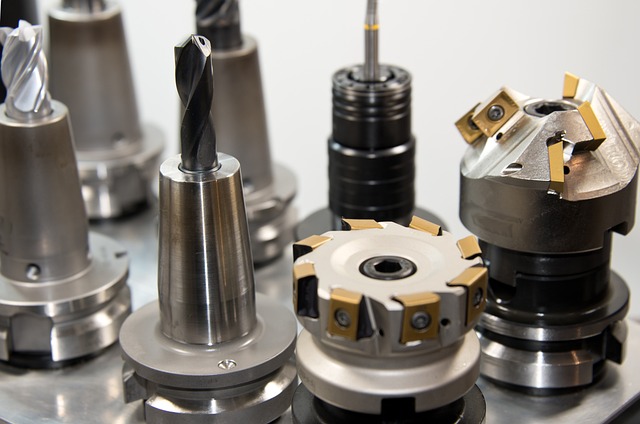
Addressing Employment Barriers for Adults With Autism
Many adults on the autism spectrum face high unemployment rates despite strong technical aptitude. Traditional job training often lacks the structure or sensory considerations needed for neurodiverse learners. CNC training offers a practical solution: it teaches measurable skills through repetition, visual learning, and clear feedback loops. This hands-on approach allows participants to build confidence while mastering real-world competencies that lead directly to employable outcomes.
The Role of the Manufacturing Sector in Workforce Inclusion
Utah’s manufacturing industry continues to expand, creating consistent demand for precision machinists. Employers are increasingly recognizing that neurodiverse employees bring strengths such as focus, pattern recognition, and reliability—qualities that align well with CNC operations. Collaborative partnerships between manufacturers and training institutions create pathways from classroom instruction to paid apprenticeships, ensuring graduates transition smoothly into the workforce.
Understanding CNC Training Machines and Their Educational Potential
As automation reshapes industrial work, CNC technology represents both opportunity and accessibility. Properly designed training environments can make complex machinery approachable for learners who thrive on structure.
Fundamentals of CNC Technology
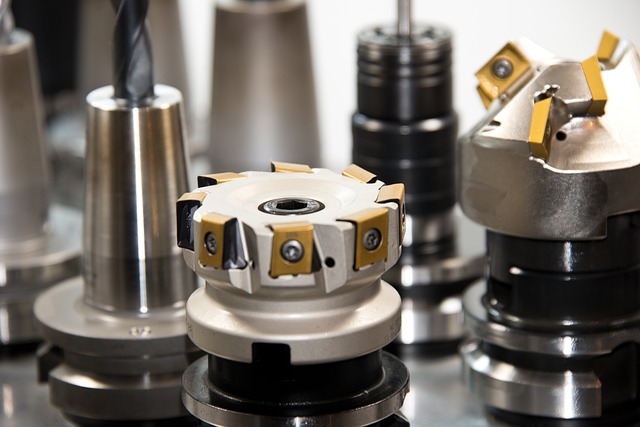
CNC (Computer Numerical Control) machines automate cutting, drilling, and shaping processes used in modern manufacturing. Trainees learn programming languages like G-code, calibration techniques, and operation of multi-axis machines used in metal fabrication or prototyping. These systems emphasize consistency and repeatability—attributes that reward attention to detail and process discipline.
Why CNC Machines Are Effective Tools for Neurodiverse Learning
CNC workflows rely on structured sequences that resonate with many autistic learners’ cognitive strengths. The machine interface provides immediate feedback when an input is incorrect or a tolerance is off, reinforcing learning through real-time correction. Visual programming tools further reduce abstraction by allowing trainees to see motion paths before execution, improving comprehension without overwhelming verbal instruction.
Designing CNC Training Programs Tailored for Adults With Autism
Developing effective programs requires more than standard curriculum design—it demands empathy-driven structure that aligns pedagogy with learner behavior patterns common among autistic adults.
Curriculum Development Strategies
A modular curriculum allows each trainee to progress at an individualized pace without pressure from group timelines. Repetition through hands-on practice reinforces theoretical concepts until muscle memory takes over. Simplified coding exercises paired with visual aids help translate abstract programming into tangible results on the cnc training machine itself.
Supportive Learning Environments for Neurodiverse Trainees
Small class sizes enable instructors to adapt communication styles based on sensory preferences or processing speeds. Sensory-friendly labs—equipped with soft lighting and noise control—reduce anxiety triggers common in industrial settings. Collaboration among instructors, occupational therapists, and job coaches builds a holistic support system where technical growth parallels emotional resilience.
Measuring the Impact: Skill Acquisition and Independence Outcomes
The true measure of success lies not only in technical proficiency but also in how trainees translate those skills into independence and self-worth.
Assessing Technical Proficiency Through Practical Evaluation
Competency-based assessments test machining accuracy, safety compliance, and programming fluency rather than rote memorization. Real-world projects replicate production scenarios such as fabricating precision components or assembling mechanical parts under time constraints. This evaluation method mirrors actual shop conditions while validating readiness for employment.
Building Confidence and Self-Sufficiency Through Applied Skills
Mastery of CNC operations nurtures problem-solving abilities essential beyond the workshop floor. Graduates emerge with transferable skills applicable across aerospace, automotive, or medical device industries—sectors where precision machining is indispensable. Earning certifications adds professional credibility while reinforcing personal pride in measurable achievement.
Industry Collaboration and Community Engagement in Utah
Sustainable inclusion depends on cooperation between educators, employers, and community advocates who share a long-term vision of equitable opportunity.
Partnerships Between Training Centers and Local Manufacturers
Manufacturers provide apprenticeships that serve as natural extensions of classroom learning. These placements allow trainees to apply their skills under supervision while earning income—a critical step toward financial independence. Joint advisory boards help align course content with current tooling standards so graduates meet real hiring criteria from day one.
Community Organizations Supporting Autism Employment Initiatives
Local nonprofits play a vital role by advocating inclusive hiring practices within Utah’s industrial sector. Public-private partnerships fund adaptive technologies such as tactile interfaces or communication aids that make cnc training machine operation more accessible. These collaborations also support program expansion into underserved regions where adult autism services remain limited.
Future Directions for Inclusive Manufacturing Education in Utah
The first graduating cohort signals progress but also highlights the need for broader access statewide through scalable infrastructure and digital innovation.
Expanding Access to CNC Training Across the State
Establishing regional hubs would allow rural participants easier access without relocating long distances from home communities. Online simulation tools could supplement lab sessions by letting trainees practice code writing or toolpath planning remotely before using physical machines—a flexible hybrid model suited to diverse learning needs.
Long-Term Vision: Building a Sustainable Inclusive Workforce Model
Continuous feedback from employers and alumni will refine curricula as technology evolves. Peer mentorship networks among graduates can sustain motivation while fostering community identity within Utah’s growing neurodiverse workforce. Tracking long-term employment metrics will help policymakers quantify social return on investment through improved job retention and reduced dependency rates.
FAQ
Q1: What makes CNC training suitable for adults with autism?
A: Its structured workflows, visual interfaces, and immediate feedback align well with cognitive strengths common among autistic learners.
Q2: How does Utah’s manufacturing sector benefit from inclusive programs?
A: Employers gain reliable workers skilled in precision tasks while addressing labor shortages across machining industries.
Q3: What are key elements of an autism-friendly training environment?
A: Smaller classes, sensory-friendly design, individualized pacing, and collaboration among technical instructors and support specialists.
Q4: Can graduates work outside manufacturing after completing CNC programs?
A: Yes. The skills learned—precision measurement, coding logic, process control—apply across multiple fields including robotics or engineering support roles.
Q5: How can rural communities participate in these initiatives?
A: Regional hubs combined with online simulation tools can extend access statewide without requiring relocation from smaller towns or remote areas.