G71 CNC programming for CNC lathe rough turning
A practical guide to G71 CNC programming for lathe roughing, including common formats, key addresses, Type I and Type II behavior, and checks before running code.
Read More

A practical guide to G71 CNC programming for lathe roughing, including common formats, key addresses, Type I and Type II behavior, and checks before running code.
Read More
A CNC lathe machine is a computer-controlled turning machine used to produce round, threaded, bored, grooved, and contoured parts. This guide explains how it works, where it fits, and what to check before specifying one.
Read More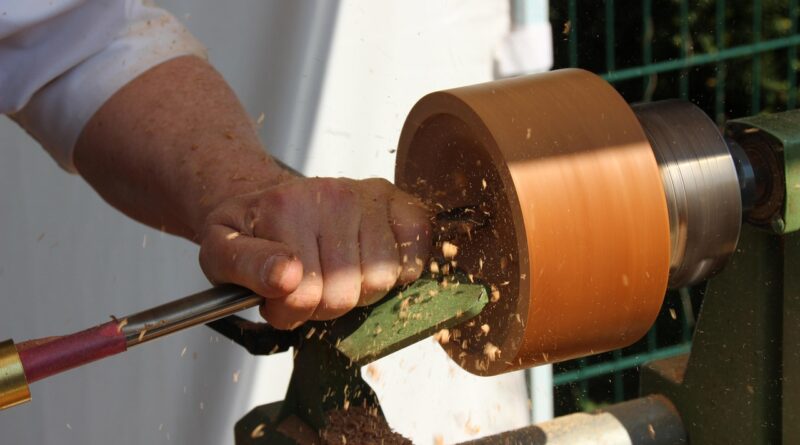
CNC turning programming ties the drawing, toolpath, setup, offsets, and inspection checks into a process the shop can repeat. This article looks at practical lathe programming habits that help reduce scrap in precision turned parts.
Read More
A shop-floor style guide to shaft machining for buyers, engineers, and sourcing teams who need steady diameters, clean finishes, and fewer fitting issues in rotating parts.
Read More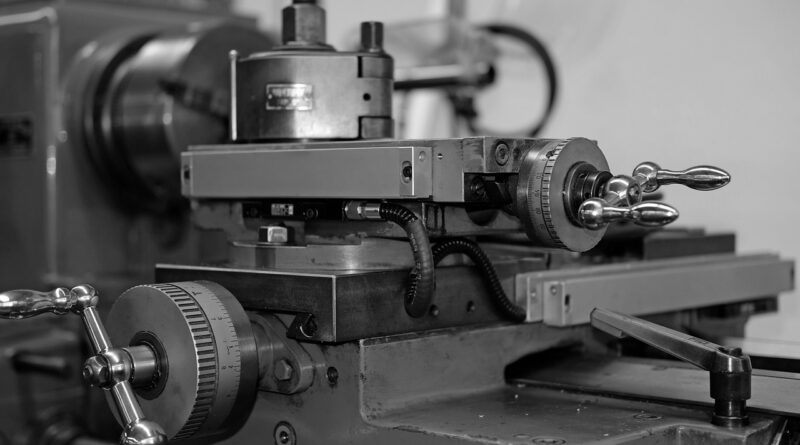
CNC lathe programming is more than G code. It ties workholding, tool geometry, feeds, speeds, and inspection into one setup plan. This guide follows the shop route from drawing to first-good part.
Read More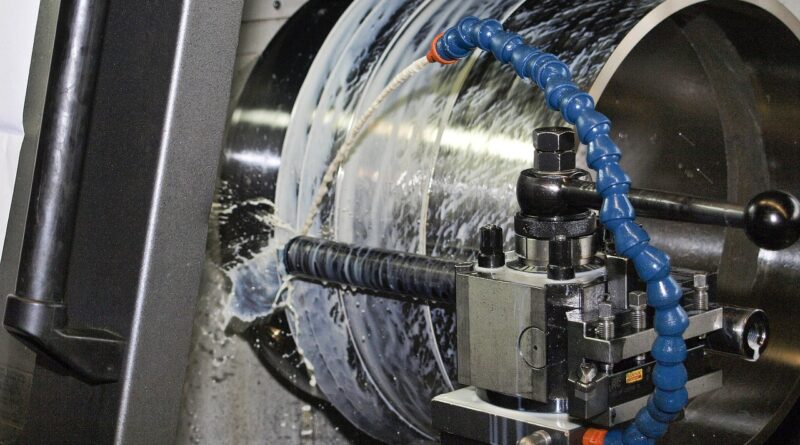
A CNC metal lathe makes round and threaded metal components with steady control of size, finish, and setup time. This guide walks through materials, tolerances, part design, and sourcing points buyers should check before ordering.
Read More
New Hardening Methods Available for CNC Turning Advancements in hardening have transformed how CNC turning achieves durability and precision. Modern
Read More
New Hardening Methods Available for CNC Turning CNC turning is evolving beyond simple shaping into a core driver of material
Read More
Understanding CNC Turning Through the Structure of a CNC Lathe Machine CNC turning stands out as one of the most
Read More
What Is a Swiss Lathe in Modern Precision Machining? In today’s careful manufacturing world, the Swiss lathe stands as a
Read More