
CNC Router Software vs Traditional Programming Which Delivers Better Control
The Core Role of CNC Router Software in Precision Machining
CNC router software serves as the main support for today’s accurate machining work. It links digital plans to actual making, so you can create pieces with steady exactness and little scrap. This holds true for a single test model or large batch runs. The software sets how well your router shifts, slices, and handles everyday situations. This setup includes a few parts—CAD, CAM, control, and G-code sender software. All of them team up to change thoughts into real items.
Think about a shop making custom signs from wood. Without good software, edges might wobble or waste piles up. But with it, everything runs smooth and true.
Understanding the CNC Software Ecosystem
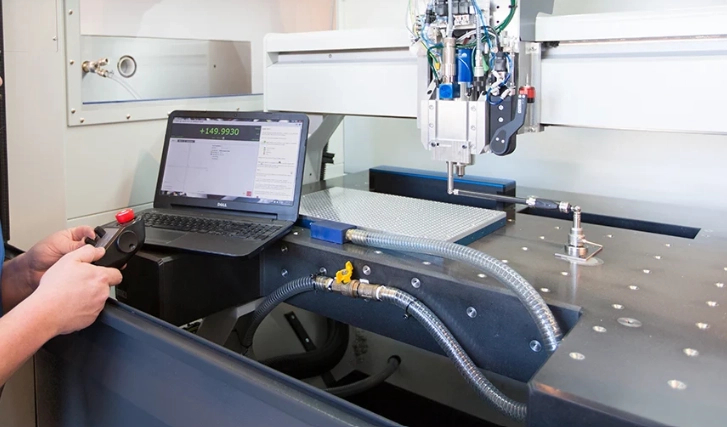
CNC router software blends design making, path planning, and machine guiding into a single smooth flow. You begin with a digital shape that sets forms and limits. Next, the CAM part turns that shape into movement orders. Then, control software carries out those orders on the machine. Each part adds to exactness by handling info between online plans and real results. When these parts link without hitches, you see steady outcomes. This works even for varied jobs or stuff like metal or plastic.
For instance, in a small workshop, a designer draws a bracket on screen. The software passes it along without mix-ups, so the cut piece fits just right the first time.
The Relationship Between Software and Machine Precision
A CNC router’s exactness relies a lot on its software methods. These decide how even motors travel on each path and how well paths form. Right setup between screen orders and real moves gives tiny accuracy, like a few microns. You need this for plane parts or detailed wood designs. Live check systems help too. Sensors keep adjusting speeds or turns to hold steady during fast work.
I’ve seen jobs where bad software led to off cuts by 0.5 mm. But tuned ones keep it under 0.01 mm, saving time and cash.
CAD Software: Foundation of Digital Design for CNC Routing
Before any cut hits the stock, every line begins as a CAD model. This step sets what the machine will build, from big sweeps to tight specs. In pro setups, CAD goes beyond simple sketches. It controls shapes so tight that later steps like CAM read it clean.
Picture crafting a phone case. CAD lets you test curves on screen before the router even starts.
Importance of CAD in the Design Workflow
CAD models lay the base by setting shapes, finish levels, and limits before work starts. Changeable modeling allows quick size tweaks without full redraws. This saves hours when a buyer asks for changes near deadline. Links between CAD and CAM cut down mix-ups. Both use matching info setups.
In one project I recall, a team adjusted a gear model in minutes, avoiding a full day’s rework.
Key Features of Professional CAD Tools for CNC Applications
Top CAD programs handle basic 2D sketches and full 3D builds. They work with files like STEP, IGES, or DXF. This gives options when teams use different systems. Smart lock systems hold size truth, so machined bits join spot on.
Users often pick these for their easy export to CAM, keeping data pure.
CAM Software: Translating Design into Machinable Toolpaths
Design done, now plan the doing. CAM takes over here. It changes shape info into real cut plans that fit stock traits and tool bounds.
It’s like a coach turning a game plan into player steps—clear and doable.
How CAM Enhances Machining Efficiency and Accuracy
CAM checks your model and makes best paths from tool kind, stock toughness, and turn power. Test runs spot bumps or extra cuts before real action. Smart clear methods speed up rough removal. They save detail spots for clean finishes.
Take milling aluminum panels. CAM can shave 20% off time by smart path choices, based on real shop tests.
Advanced CAM Capabilities for Expert Users
For tricky shapes like fan parts or craft cuts, many-axis setup lets moves on several lines at once. This hits hard curves. Auto spot tools find holes or dips without hand entry. Links to output tuners make G-code fit your machine’s talk just right.
Experts love this for jobs that would take days by hand, now done in hours.
CNC Control Software: Managing Machine Movements with Precision
Control software works as the mind in live runs. It reads G-code from CAM and turns it into matched motor shifts on all lines.
Without it, machines might jitter like an old car on bumps.
The Function of Control Software in Real-Time Operation
This part matches turn speed to push rate. It keeps speed builds fit for your tools. It talks straight to position trackers and feelers that check spot truth in full cycles. If something shifts—like shakes or heat stretch—the setup fixes it quick to hold cuts true.
In high-speed wood routing, this keeps paths steady even if the stock warps a bit from heat.
Customization and Optimization within Control Systems
You adjust tune settings in screens to fit move feel for load types or stock firmness. Short code setups let repeat tasks like hole lines or mark numbers run without fresh writes. Full loop checks steady work under changing weights in tough cut jobs.
Shops tweak these for their setup, often cutting setup time by half.
G-Code Sender Software: Bridging CAM Output to Machine Execution
G-code sender tools manage the link from computer code to machine brain. They act like guides for info during make shifts.
It’s the last handoff before the router hums to life.
Role of G-Code Senders in Workflow Continuity
They send checked G-code files fast. Plus, they give hand move control over lines when prepping tasks. Most show live screens with turn state or job percent. This lets workers step in if something odd pops mid-slice.
For long runs, like 100 signs, this monitoring spots issues early, saving stock.
Features That Enhance Reliability in Production Environments
Spot tools catch bad sends before they lead to tool breaks or lost stock. Sight checks confirm path setup before go. This helps a lot when swapping holds or stuff. New senders handle net links too. So one desk can watch several routers at once.
In busy plants, this cuts downtime, as teams juggle multiple jobs without chaos.
Integrating Multiple CNC Software Components Seamlessly
A even flow needs good ties between all software parts. This runs from plan to do, without losing truth anywhere.
Like a relay race, each handoff must be smooth or the whole thing slows.
Achieving Interoperability Across Platforms and File Types
Common file types make shifts from CAD shapes, CAM work, and control plans easy. Output tweaks fit path turns to each machine’s word style. Steady info all through stops build-up slips that might twist end sizes after many changes.
One factory switched brands but kept files the same, avoiding weeks of retrain.
Automation and Workflow Optimization Through Integration Tools
Link ports let code writes across programs. So common prep steps—like stock set or start point match—run on their own. Cloud spots let plan folks update shapes while cut teams test runs from far spots. Main info banks hold change logs for track over many machines using shared part sets.
This setup shines in teams spread out, like global suppliers syncing daily.
Future Directions in CNC Router Software Development?
Changes keep coming fast in this area. Makers chase better auto smarts with tighter truth needs.
It’s exciting—soon, software might guess fixes before problems hit.
Emerging Trends Shaping Next-Generation Precision Machining Tools
Smart tech helps path picks that trim scrap and even out finish over long jobs. Twin digital setups copy real machines on screen. You test job acts before cuts start. This beats working pricey stuff like titanium flats or rare woods. Live number views in guide screens help workers choose fast from now stats, not old notes.
Imagine predicting a tool wear after 50 runs—saves surprises in tight schedules.
The Growing Role of Connectivity and Smart Manufacturing Standards
Net-linked routers send work info right to main screens. There, fix teams watch shake ways or power use from afar. Set talk rules ease info share between brands in smart plants following Industry 4.0 ways. As links grow, safe guards matter more. This keeps idea bits in paths safe from wrong eyes.
But watch for hacks— one breach could leak designs worth thousands.
FAQ
Q1: What is CNC router software used for?
A: It’s used to convert digital designs into precise machine instructions controlling every movement of a CNC router during manufacturing processes.
Q2: How do CAD and CAM differ?
A: CAD focuses on creating detailed part geometry while CAM transforms those designs into practical cutting paths suitable for specific tools and materials.
Q3: Why is control software critical?
A: Because it manages real-time coordination among motors, spindles, sensors ensuring accurate motion execution throughout machining cycles.
Q4: Can multiple routers use one G-code sender?
A: Yes, many advanced senders support networked setups allowing simultaneous communication with several machines from one interface.
Q5: What future trends will shape CNC router systems?
A: Expect more AI-driven optimization features plus expanded IoT connectivity linking routers directly into smart manufacturing ecosystems for predictive monitoring capabilities.