
What Makes CNC Programming Software Essential For Modern Machining
The Strategic Role of CNC Programming Software in Modern Machining
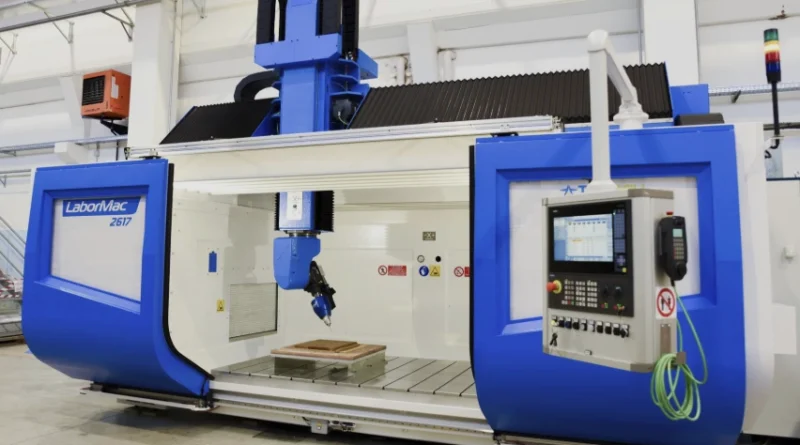
CNC programming software serves as the main support for digital manufacturing. It connects design ideas to actual making. This tool lets you turn detailed 3D models into clear machine commands. Every slice, shape, and opening follows exact measures. In the current busy market, where accuracy and quickness boost earnings, knowing how to use this software well decides how smoothly a workshop runs. Think about a small shop handling car parts. Without good software, errors pile up and waste time. But with it, jobs finish faster and better.
Integration Between CAD, CAM, and CNC Systems?
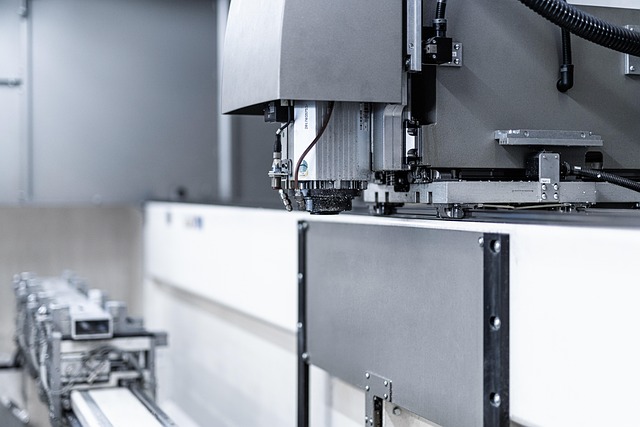
The link between CAD, CAM, and CNC systems creates a steady digital flow that powers today’s machining. You start by building a model in CAD software. Then, the shape details move to CAM for path planning. This shift keeps size accuracy intact. As a result, the machine reads the part just as planned. After that, post-processing changes these paths into G-code. G-code is the talk your CNC machine gets. It fits specific controls like Fanuc or Siemens. Holding data quality through this whole line stops expensive mistakes. For example, wrong alignment or bad speed settings can ruin a batch. I recall a factory once losing a day to such a slip. Keeping everything tight avoids that hassle.
The Evolution of CNC Software in Advanced Manufacturing
CNC software has grown from hand-typed G-code on old tapes to smart setups that make paths on their own. Back then, workers wrote code by hand and trusted their gut. Now, simple math figures out the best routes in moments. Industry 4.0 takes it further. It links machines via IoT nets and allows cloud sharing. You can check tool wear from afar. Or tweak settings live from any linked gadget. This quick change was hard to picture ten years back. In one case, a team cut setup time by half using these links during a rush order.
Core Components of CNC Programming Software
Today’s CNC programming software includes a few main parts. They team up to boost accuracy and speed in machining tasks.
Computer-Aided Manufacturing (CAM) Modules
CAM modules sit at the center of most setups. They manage path making for milling, turning, drilling, and many-axis work. You can run full pretend runs before touching real stuff. This spots crashes or waste early on. Better systems use smart rules that change speeds based on live sensor info. They keep surface smoothness steady, even if the material changes hardness. Picture drilling into tough steel. Without this, you’d stop often to check. With it, the job flows smooth.
G-Code Editors and Optimization Tools
G-code stays the common speech for CNC machines. A clear program sets spots, speeds, feeds, and move styles one line at a time. New editors let you see actions in pictures. You adjust things like spin rate or water flow right in the screen. Tools that improve check code lines to cut run times. They do this without losing sharpness. That’s key for big batches where each second counts. In high-run jobs, saving even 10 seconds per piece adds up to hours saved weekly.
Conversational Programming Interfaces
Conversational programming makes setup easy. Operators enter steps via simple menus, not plain code. It’s great for test pieces or small lots where full CAM seems too much. Yet, these tools have bounds. They falter on tricky shapes or many-axis timing that pro CAM handles with ease. For basic jobs like a simple bracket, it shines. But for a curved engine part, you need the full kit.
Enhancing Productivity Through Intelligent CNC Programming Software Features
Built-in auto features in CNC programming software bring steady work across groups and shifts. They free expert coders from dull jobs.
Automation and Process Standardization
Ready patterns and short codes let you reuse solid setups on like parts. Auto tool picks suggest blades by material or shape needs. This cuts out wild guesses in planning. Step-by-step guides cut human slips by asking for key info before making code. In a busy shop, this means fewer do-overs. One worker told me how templates saved their team from starting over on repeat orders.
Simulation, Verification, and Digital Twins
Make-believe machining spots copy real setups on screen. You test codes safe before real cuts start. Pretend runs catch tool-fixture bumps. Checks match sizes to CAD plans. With digital twin links, real machine info sharpens the fake models over time. This builds a loop that gets better bit by bit. It’s like having a practice field for the shop floor. Factories using this see scrap drop by 20 percent in the first year.
Interoperability and Data Management in CNC Programming Environments
As shops mix gear from different makers, smooth links grow vital for even work across tools.
Post-Processing Customization for Diverse Machine Controllers
Each CNC control reads G-code a bit different. Custom post-processors turn basic CAM work into talk that fits each machine’s base code or rule set. Updating these keeps results the same as gear changes. It stops stoppages from code that doesn’t match. Without this, a new machine might sit idle while you tweak files by hand.
Data Exchange Standards and File Compatibility Issues
CAD/CAM ties depend on set file types like STEP, IGES, or DXF. These move design info easy between programs. Old setups often bring trouble from closed file styles that block smooth swaps. Using open talk rules like MTConnect boosts clear views across gear. It also eases care for digital files over their full life. In mixed shops, sticking to these standards cuts file headaches in half.
The Role of Artificial Intelligence and Machine Learning in CNC Programming Software
AI-based CNC programming software changes how makers tackle better runs and slip stops.
Predictive Optimization Based on Historical Machining Data
AI looks at past cut info like feeds, speeds, and spin loads. It guesses best settings for like jobs ahead. Learning models shift steady from sensor reads in real runs. They sharpen guesses each time. This fact-based way boosts finish evenness. It also trims stop time from test tweaks. For instance, after logging 50 jobs, the system might suggest a speed that cuts run time by 15 percent without rough edges.
Autonomous Toolpath Generation and Error Detection
Build-up math can make top paths on its own now. It uses shape-spot tricks. In runs, AI watches shake or power jumps to spot odd spots before flaws hit. As these grow, self-run machining spots will spread. Software will handle most steps from plan to check with little human help. It’s exciting, though sometimes the tech glitches remind us it’s not foolproof yet.
Training, Skill Development, and Human-Machine Collaboration in CNC Programming
Growing auto doesn’t wipe out human know-how. It shifts it to watch and think roles.
Evolving Roles of Programmers in an Automated Environment
Coders now spend less time on hand lines. They handle full digital flows from CAD to ERP ties. Skills mixing machine basics with tech know-how grow key. Pretend-run practice builds trust in new hands without big risks. In training, folks learn by messing with virtual parts, like failing a cut on screen instead of real metal.
Collaborative Interfaces Between Operators and Software Systems
Smart screens make hard tasks open without dumbing them down. Loops from floor spotters to upstream coders build steady gains. Mixing auto with pro views stays key. This holds true for rare stuff or tight space air parts where hands-on smarts count most. Operators might note a weird noise, and that feeds back to tweak the code for next time.
Economic Impact and Competitive Advantages Driven by CNC Programming Software
Taking up strong CNC programming software hits profits direct through gains at each make step.
Reducing Production Costs Through Process Optimization
Set patterns slash setup waits a lot. Pretend checks cut waste before blades touch. Plan math maxes spin time by matching tools to job needs. All this turns to real savings over days. Shops report cost drops of 25 percent after a year of smart use.
Enhancing Flexibility in High-Mix, Low-Volume Production Environments
Digital paths allow fast code shifts when jumping custom bits or tests. That’s must for spots serving health tools or race cars where plans flip often. Ties to ERP/MES match make plans so stuff shifts as orders change. This keeps flow even with up-and-down needs. In one med device shop, this meant handling 30 percent more variety without extra staff.
FAQ
Q1: What is cnc programming software used for?
A: It converts CAD designs into machine-readable instructions (G-code) that control milling machines, lathes, routers, or other automated tools precisely during manufacturing processes.
Q2: How does CAM differ from CAD?
A: CAD handles product design geometry while CAM focuses on creating machining strategies such as toolpaths based on those designs before exporting them as executable programs for CNC machines.
Q3: Why are post-processors important?
A: They adapt generic CAM output into specific syntax required by each brand’s controller so your programs run correctly regardless of machine type used on the shop floor.
Q4: Can AI really improve machining quality?
A: Yes; AI analyzes previous runs’ data to suggest better feeds or detect anomalies early—resulting in smoother finishes and fewer rejected parts overall.
Q5: Is conversational programming suitable for all applications?
A: It works well for simple parts or prototypes but lacks depth needed for complex multi-axis operations requiring advanced simulation found in full-featured CAM platforms.