
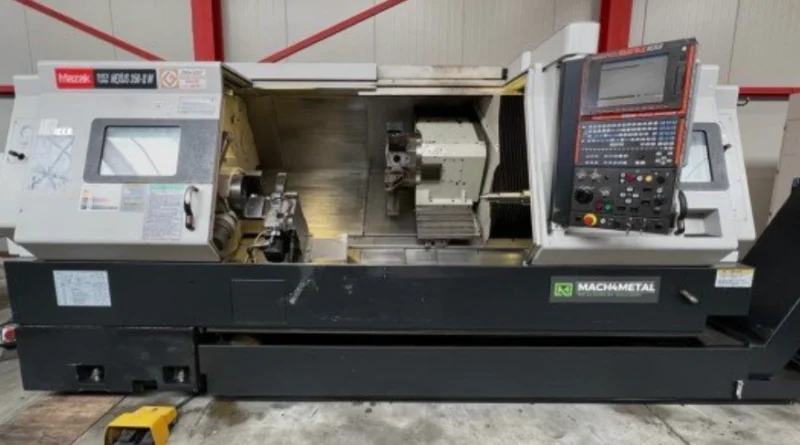
How Mazak Laser Fiber Technology Transforms Precision Fabrication Efficiency
Evolution of Mazak Laser Fiber Technology
Fiber laser technology has changed industrial fabrication in big ways. Mazak Laser leads this change. The company’s shift from CO₂-based systems to better fiber laser platforms shows smart engineering and a good grasp of what factories need for quick work, accurate cuts, and green practices. This change took time. It grew from years of study in material science, light engineering, and machine automation.
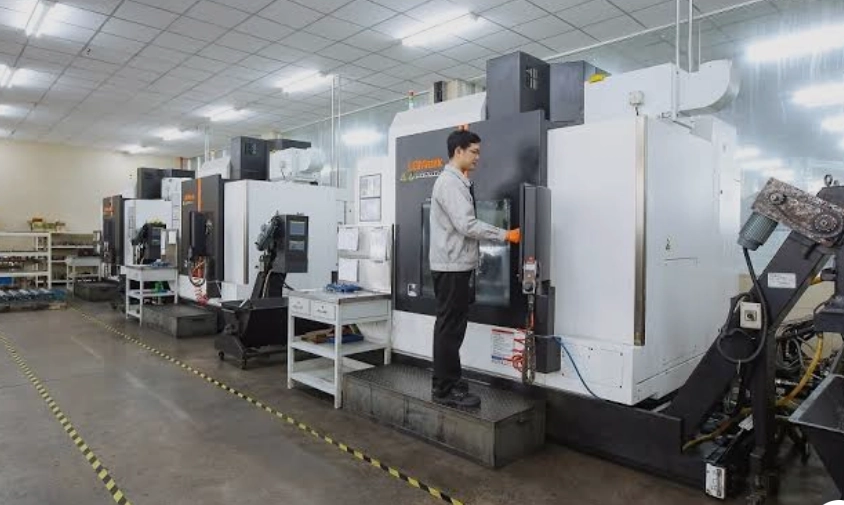
Advancements in Fiber Laser Engineering
Mazak’s switch from CO₂ lasers to fiber lasers was a big step for cutting speed and power use. Fiber lasers rely on solid-state diodes for their light. They send energy through optical fibers, not mirrors. This setup cuts down on alignment problems that CO₂ systems often have. It also gives a steadier beam. As time passed, adding strong diode sources let Mazak Laser machines reach high power levels. These levels work well for cutting thick metals. And they keep good edge quality.
Important steps included using modular resonator designs. These designs make upkeep easier and keep output steady. The addition of fiber delivery systems helped route laser energy in flexible ways across various machine setups. So, today’s Mazak Laser systems cut stainless steel or aluminum sheets fast. They use less power than old gas lasers. For example, in a busy shop, this means finishing jobs quicker without big electricity bills.
Design Innovations in Mazak Laser Systems
The build of Mazak’s fiber laser machines focuses on small size and steady heat control. By keeping the optical path short and using sealed fiber parts, heat twists less even in long runs. Better resonator design improves beam quality. It holds a steady mode structure. This leads to smoother cuts and sharper details on tricky parts.
Mechanical accuracy has grown a lot too. Strong frames paired with direct-drive motors give repeats within tiny measures like microns. In real work, this lets you cut detailed car parts or plane brackets. No extra finishing needed. It saves time and materials. Think of a factory floor where every second counts— these features make a real difference.
Beam Control and Cutting Precision
Beam control decides how well a laser works with material surfaces. For Mazak Laser systems, this has turned into a main edge through smart optics and monitoring tools. These tools keep steady work in different factory settings.
Intelligent Beam Shaping and Focus Control
Smart beam shaping lets workers adjust the beam shape based on the material or its thickness. For thick mild steel plates, a broader beam helps with deeper cuts. For thin aluminum sheets that need fine lines, a tighter focus works best. Quick focus changes make sure edge quality stays even on bent parts or curved shapes.
Live monitoring systems watch things like power strength and focus spot during the job. If something goes off—like from heat shifts or dirty lenses—the system fixes it right away. This stops quality drops. In one case I recall from a metal shop, this saved a whole batch from scrap.
The Role of Optical Feedback in Process Stability
Closed-loop feedback is key to keeping even energy on the work piece. Sensors check reflected light all the time. They spot changes in beam flow efficiency. If things shift or dirt builds on the lens, auto fixes adjust the focus. Or they send cleaning warnings.
This light feedback steadies the work. It boosts repeats in big runs. In busy spots like car part lines or home appliance plants, this means fewer bad pieces and steady output. It’s like having a watchful eye that catches issues before they grow.
Automation Integration in Fabrication Workflows
Automation is now a must in modern shops using Mazak Laser gear. These systems link smoothly with robot arms, storage units, and planning software. All this ties together full production areas.
Automated Material Handling Systems
Robot loaders and unloaders cut wait times between cuts. They set up sheets before a job ends. Matching between laser cutters and auto storage keeps things going without people stepping in. Say one set of stainless steel panels finishes. Another pallet slides in from stock racks in moments.
This setup lowers the need for hands-on work. It keeps steady flow over long days or empty night shifts. It’s a real win for plants aiming for round-the-clock output. From what I’ve seen in factories, it turns chaotic floors into smooth operations.
Smart Scheduling and Workflow Optimization
AI-based job ordering tools look at new orders. They pick the best cut sequence by material kind, thickness, and due dates. Smart upkeep planning uses sensor info to spot wear early. This stops breakdowns.
Linking with ERP or MES systems gives a full view from order start to part finish. Managers check machine use from afar. They tweak plans based on live capacity info. Over time, this builds better habits, though sometimes surprises like rush jobs throw a curveball.
Efficiency Gains Through Digital Connectivity
The tech core for Mazak Laser work is its IIoT setup. It connects machines over networks for watching and number crunching.
Data Analytics and Process Monitoring Tools
With tools like the Mazak SmartBox, workers see live facts on things like power use per cut or material savings. Looking at this data over days helps spot trends. For example, some metals might need nozzle swaps more often. Then you can adjust wisely.
Ongoing tweaks happen through data loops. Production numbers guide future settings or fix times. It’s straightforward, but applying it right takes some trial in a real shop setting.
Remote Diagnostics and Predictive Maintenance Capabilities
Cloud watching spots odd signs like shakes or uneven power pulls before big problems hit. Auto notices go to repair teams fast. So fixes happen ahead of time, not in a panic.
This ahead-thinking cuts surprise stops. It trims costs on parts over the machine’s life. Without losing trust in the gear. In practice, shops report up to 20% less downtime with these features—numbers that add up quick.
Material Versatility and Application Range
Mazak Laser machines handle many materials well. From shiny metals like copper to tough alloys in plane parts. This makes them useful in shops with mixed work.
Performance Across Metals and Alloys
Fiber lasers’ short light waves soak up better on shiny stuff than CO₂ types. So edges stay clean when cutting aluminum or brass. Old lasers often bounce back and struggle. Tests show fiber lasers cut thin stainless steel up to two times faster. They match CO₂ finish on thicker pieces.
It’s reliable across the board, though thicker stuff still needs careful speed tweaks to avoid heat buildup.
Specialized Applications in Industrial Sectors
In plane building, Mazak Laser tech trims titanium panels just right. Tight fits matter for strength. Car makers use mixed setups with machining and laser heads for car body prep.
Medical tool makers get narrow cut lines for tiny features. No heat warp, which is vital for tools or implants needing tiny accuracy under a millimeter. One supplier I know cut production time by 30% on such parts.
Sustainability and Operational Efficiency Considerations
Green factors now matter as much as speed in buying choices. Fiber laser tech brings clear wins here. Both for the planet and the wallet.
Energy Efficiency Advantages of Fiber Lasers over CO₂ Systems
Fiber lasers use way less power. They pump with diodes straight, not gas like CO₂. Less cooling needed too, so chillers run less and at lower levels.
All this cuts carbon marks in plants. It’s a big deal with world rules pushing for less factory energy by 2030. Shops often see bills drop by 50% or more after switching.
Waste Reduction Through Precision Control
Good control means less waste. Slim cut lines let CAD/CAM pack parts tighter on sheets. More pieces per sheet, less leftover bits. Over months, this saves raw stuff and dump fees. It fits green goals many firms share in reports.
Plus, in daily runs, it just feels efficient—not throwing away good metal hurts when margins are tight.
Future Directions in Mazak Laser Fabrication Technology
Ahead, Mazak pushes deeper into auto features and light tech. The goal is to change what laser systems do past basic cuts.
Emerging Trends in Automation and AI Integration
Coming ideas include full auto cells that learn on their own. Machines tweak settings from past data, not just fixed ones. This could let them switch materials mid-day without people fiddling.
It’s exciting, but we’ll see how it handles real-world mess like varying stock quality.
Anticipated Enhancements in Beam Delivery Systems
New plans have multi-beam setups for cutting many parts at once in one box. Great for small custom runs that are common now. Super-fast lasers might add micro-work like surface roughing or layer stripping. Femtosecond bursts give tiny precision old steady beams can’t match.
These could open doors in fields like electronics, where details are everything.
FAQ
Q1: What makes Mazak Laser fiber technology different from traditional CO₂ lasers?
A: It swaps gas pumping for diode light fibers. This brings better power use, easier upkeep, and steady beams over long hours.
Q2: How does automation improve productivity in Mazak Laser systems?
A: Robot moves cut wait times between tasks. AI planning keeps machines busy through shifting jobs.
Q3: Can fiber lasers handle reflective materials effectively?
A: Yes, short waves soak up better on copper or aluminum. CO₂ often bounces off instead of cutting well.
Q4: What sustainability benefits come from using fiber lasers?
A: Lower power and cooling cut carbon output. Tight packing saves raw materials a lot over time.
Q5: Where is future research heading for Mazak Laser technologies?
A: To AI auto cells that learn and tweak themselves. Plus fast multi-beams for micro-work beyond sheet cuts.