
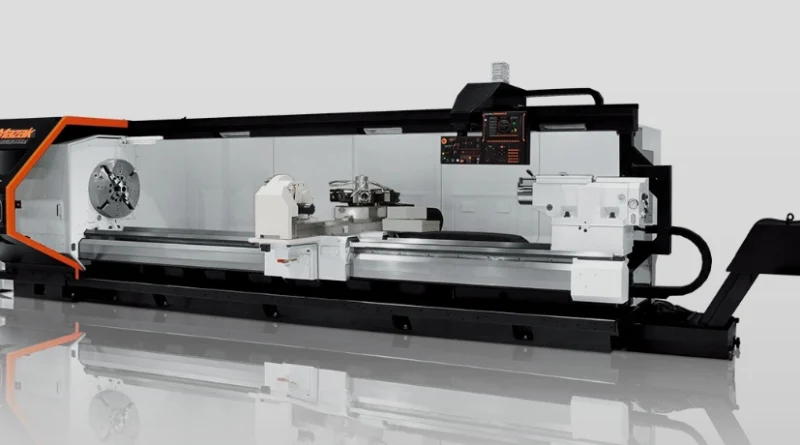
How Mazak Lathe QUICK TURN Models Compare for High-Precision Turning
Overview of Mazak QUICK TURN Series
The Mazak QUICK TURN series stands as a key player in accurate turning work. It offers a good mix of speed, dependability, and flexibility. When you see a Mazak lathe from this group, it feels like more than just equipment. It comes from years of careful improvements in control setups, spindle builds, and basic making ideas. This part looks at how the QUICK TURN family has grown over time. It also covers the main design ideas that keep it strong in today’s busy shops.
The Evolution of the QUICK TURN Line
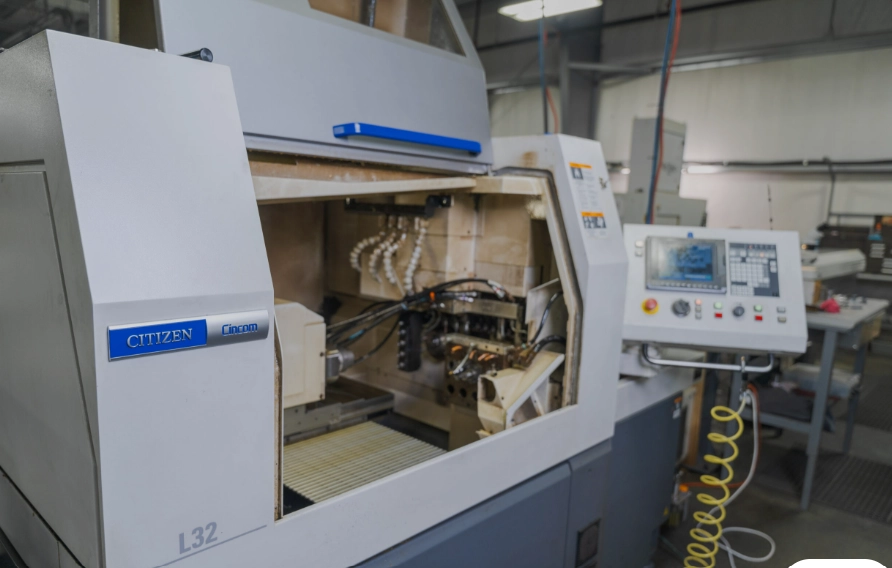
Mazak first brought out the QUICK TURN series to handle the need for small but strong CNC lathes. These machines could finish jobs quickly. Yet they still kept high accuracy. As time passed, each new version added more auto features, better controls, and links to digital tools. The old models stressed strong builds and quick work. Newer ones added Mazatrol control systems. These made programming easier for users.
Industry 4.0 turned into a real thing, not just talk. Mazak then added features based on data. The newest QUICK TURN models allow watching in real time. They also make changes to the cutting process as needed. This change shows a move from simple machine fixes to full digital links. Now, the machines can connect with others. They check their own work. And they fit right into auto production setups. In my view, it’s like they’ve become part of a smart team in the factory.
Core Engineering Principles Behind QUICK TURN Machines
Every QUICK TURN machine has a solid base of speed, strength, and exactness. The bed casting setup cuts down shakes. It also holds steady heat during long jobs. The spindle build uses top-quality bearings. These keep wobble low even with big loads. For example, in a shop running 24 hours, this means fewer errors on parts like engine shafts.
The turret setup matters a lot too. Servo-driven indexing speeds up tool swaps. It gives the same spot accuracy every time. The control setup, especially with Mazatrol Smooth Technology, makes things simple. It boosts movement flow at the same time. SmoothC gives easy programming for basic tasks. SmoothG brings better path control. SmoothX manages multi-axis work for tricky shapes. All this shows Mazak’s main idea: bring strong turning to everyone. But don’t lose the advanced side. Think of it as a tool that grows with your skills.
Comparing QUICK TURN Models for Different Production Scales
Picking the best Mazak lathe comes down to your shop size and the shapes you make. The QUICK TURN group goes from small floor units to big heavy ones. These can take on huge pieces of work.
Compact Models for Small-Part Production
Small QUICK TURN models fit jobs with short times. Here, getting many parts done fast is key. They often have chucks from 6 to 8 inches. Spindles speed up quick. And chip removal works well. Their small size suits tight spaces in workshops. But they still meet high output needs.
They save energy too. Light parts and smart servos lower power when not in use. Fields like electronics, car parts, and medical tools like from this setup. Why? They run big batches with little help from people. Picture a team making tiny connectors for phones. These machines keep up without taking much room or power.
Mid-Range Models for Flexible Manufacturing
Mid-size QUICK TURN machines balance power and change. They deal with different sizes and stuff, like light metal houses or hard steel rods. Many come with live tools for extra cuts like milling or drilling. All in one go.
These work great with bar feeders or arm loaders. That adds some auto without full robots. For shops that do small runs of many types, mid-size units give quick moves and good work. Contract makers or job places find them just right. It’s like having a helper that switches tasks smoothly, saving time on setup.
Large-Capacity Models for Heavy-Duty Turning
For big pieces, Mazak’s tough QUICK TURN types have stronger beds. They offer spindle bores up to 12 inches. And higher power for hard stuff like titanium or Inconel. The build stays firm during deep cuts or rough spots. This happens often in oil parts or plane forgings.
In areas like big machine making or power plants, these give steady sizes. Even in long rough cuts. That’s vital when stops cost a lot, say thousands an hour. From experience in heavy shops, these models handle the tough jobs without much fuss.
Precision Engineering Elements Across QUICK TURN Models
Exact work is a must in today’s turning. It’s built into every bit of the machine and its controls.
Spindle Design and Thermal Stability Control
Spindles in QUICK TURN use slant-contact bearings. They cut side wobble at fast turns. Sensors watch heat in key spots. This keeps sizes the same over long runs. A steady spindle leads to smooth ends, tools that last, and sizes you can count on. During shifts, this cuts waste. For instance, in a factory making 500 parts a day, it keeps everything on spec.
Turret Construction and Tool Indexing Accuracy
Servo turrets on Mazak lathes speed up and repeat tool changes well. Each spot locks tight with special joins that hold against push from cuts. Turrets with live tools do more. You can cut flats or make holes right on the turned piece. No need for extra steps. This saves hours in production lines.
Control Systems: Mazatrol SmoothC, SmoothG, and SmoothX Comparison
Mazatrol SmoothC keeps it basic. It’s great for fast setups on normal jobs. SmoothG adds ways to smooth paths. It changes speeds based on how the tool hits the work. Top level, SmoothX handles many axes at once. It has clear drawings to check for bumps and test the process first.
All three link up in Industry 4.0 spots. They use Ethernet/IP or MTConnect. This lets you check from afar. And gather info from many machines. In practice, this means spotting issues early, like a loose belt before it breaks.
Application-Based Selection Criteria for QUICK TURN Machines
Choosing the right model means more than size match. It’s about fitting specs to your goals.
Matching Machine Specifications to Part Geometry Requirements
For part shapes, check swing width against chuck first. This sees if the piece spins safe. Bed size sets max length for parts. Spindle bore limits bar size fed auto.
These details matter in real work. Say you’re turning rods up to 10 feet long. A longer bed model avoids rework.
Assessing Production Volume and Automation Compatibility
For lines with batches and switches, pick models with fast tool turrets. Or easy talk-style programming like Mazatrol SmoothC. For night runs without lights, check fits with robot arms or shelf systems. These handle load and unload auto.
High volume spots, like making 1,000 units weekly, benefit from this. It keeps things moving smooth.
Material Type Considerations in Model Selection
Stuff acts different under cuts. Light metal like aluminum takes fast speeds. But needs good chip clear. Hard steel wants steady coolant. Titanium needs strong pull to stop shakes. New coolant systems in Mazak hit the cut spot direct. This helps remove chips in deep holes. In tough jobs, like aerospace bits, this makes a big difference in finish quality.
Integrating QUICK TURN Machines into Advanced Manufacturing Systems
In linked factories now, one machine doesn’t stand alone. QUICK TURN units join big digital groups easy.
Multi-Machine Cells and Digital Synchronization Strategies
Link turning spots with software like Mazak SmartBox or SMOOTH Link. This matches tool paths live across spots. Shared info helps plan times. And guess-when fixes spot wear before stops. It’s like a network that watches out for the whole team. In a cell with three machines, this cuts wait times by 20% or so.
Hybrid Machining Capabilities with Other Mazak Platforms
Pair a QUICK TURN lathe with an INTEGREX multi-task spot. This makes mixed flows. Rough turn first, then hard mill. All in one area under one control. It shortens moves between steps. And tracks quality all the way. For complex parts, like turbine blades, this setup shines.
Continuous Improvement Through Data Analytics and Maintenance Optimization
New plants use info from built-in watchers. They track shakes, spindle push, or coolant heat over days. This helps tweak cut settings bit by bit. Not just by feel from workers. Guess-ahead fix plans from this cut surprise stops. That’s a big save over time. I’ve seen shops drop downtime by half with simple data checks.
FAQ
Q1: What makes the Mazak QUICK TURN different from other CNC lathes?
A: It mixes quick work with strong builds and smart controls like Mazatrol Smooth Technology. These make use easy while keeping accuracy high.
Q2: Which industries benefit most from compact QUICK TURN models?
A: Making electronics, medical tools, and car parts often pick small models. Their tight size and quick runs fit well.
Q3: How does thermal stability affect machining accuracy?
A: Watching and fixing heat around key parts like spindles or screws keeps sizes steady. Even in long cuts.
Q4: Can you integrate a QUICK TURN lathe into an automated cell?
A: Yes. These fit with bar feeders, arm robots, or full auto cells. Using links like Ethernet/IP or MTConnect.
Q5: What control system should be chosen for complex multi-axis parts?
A: SmoothX works best. It gives strong path team-up for many axes at once. Common in plane or power jobs.