
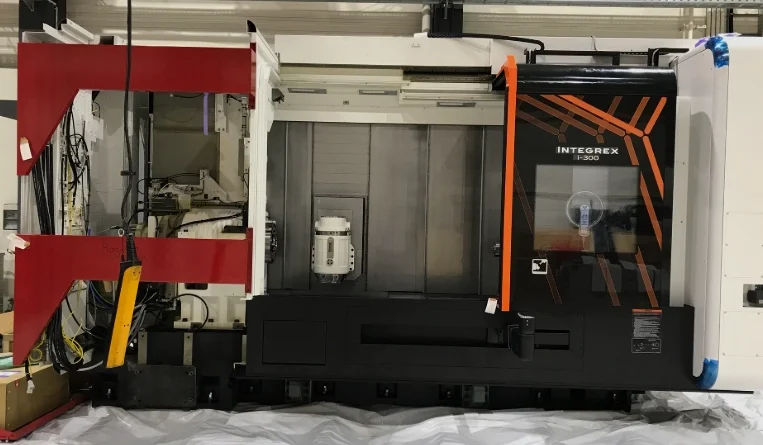
Is Mazak Integrex The Future Of Done In One Machining Efficiency
Done-In-One Machining Concept
Today’s CNC machining goes far past basic turning and milling jobs done one at a time. The Done-in-One idea, key to setups like the Mazak INTEGREX, mixes several steps in just one go. It changes the way we make tricky parts. This method cuts out the waste of shifting a piece from one machine to another. It also skips resetting base points, which can cause mistakes and eat up hours.
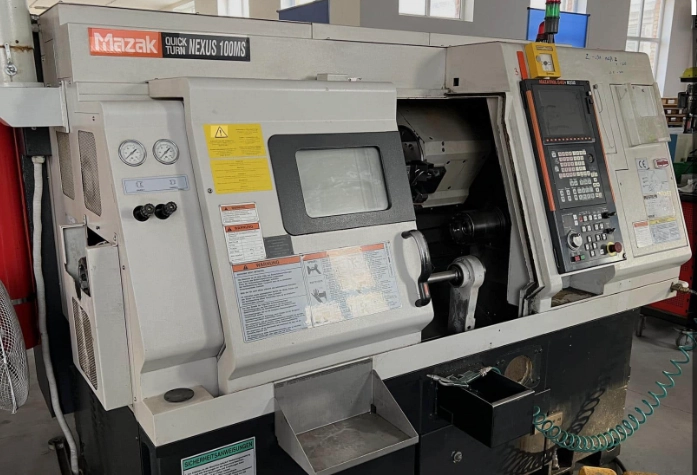
Defining Multi-Tasking Machining
The Done-in-One idea came from the need for better accuracy and quicker turnaround in tough manufacturing tasks. These multi-tasking machines blend turning, milling, drilling, and tapping all in one place. They cut down on shift errors and boost steady results. When you finish every step without pulling the part from the spindle, sizes stay spot-on. Plus, this setup speeds up the whole process by trimming idle time between changes. In my view, it’s like having a one-stop shop for parts that used to take days.
Evolution of Multi-Tasking Technology
Back in the day, shops had lathes and mills set up for single jobs only. Things changed slowly. Hybrid centers popped up that handled cutting away material and shaping curves on the same unit. CNC controls helped a lot here. Newer ones manage many axes at once and adjust paths on the fly. As factories pushed for more hands-off work, Done-in-One tools became a must. They fit right into night-shift runs where steady output counts big time. For instance, a shop I know switched and saw their downtime drop by 30 percent overnight.
The Mazak INTEGREX System Explained
Mazak’s INTEGREX line shows one of the best ways to do multi-tasking machining. It pairs solid build quality with clever control tech for reliable top-notch work every time.
Core Design Philosophy of the INTEGREX Series
Every INTEGREX unit has several spindles and turrets that work on various sides of a piece at the same time. The frame focuses on strength to fight bending under pressure. It keeps steady even during long jobs thanks to good heat control. The layout also helps clear chips with smart coolant routes. This keeps cut areas clean for smoother finishes. Plus, tools are easy to reach, so workers swap them fast without halting the line. It’s practical, you know—saves a ton of hassle in a busy shop.
CNC Control and Software Capabilities
The MAZATROL Smooth control sits at the center of each INTEGREX machine. It lets you run previews of cut sequences right before starting, which cuts down on setup blunders. Path tweaks happen automatically to match cut conditions and keep things even. Smart adjustments fix for tool wear as you go. Link-up options tie into bigger factory networks for checking data on upkeep or tweaks. In one case, a team used this to spot a tool issue early and avoided a full day’s delay.
Comparing INTEGREX with Conventional Machining Approaches
Mixing different cut types into one work area shifts how shops plan flow and handle costs.
Efficiency Gains Over Separate Turning and Milling Machines
Against plain turning or milling units, an INTEGREX slashes prep time by skipping hand-offs. You grip the stock once. Then you do all the cuts. Finally, you take out a ready part for checks or fitting. This one-grip way boosts shape accuracy since base spots don’t shift. For runs of 50 to 500 pieces, the saved minutes add up to way more parts done. It’s not magic, but it feels like it when you’re racing deadlines.
Limitations of Traditional Machining Sequences
Old-school methods mean moving parts after each step to another machine. This builds up small errors as clamps differ a bit each time. Hand moves stretch out wait times and hike worker costs. Pros have to line up holders over and over. They check sizes at every stage too. All that adds up to make these ways less sharp when exact fits or fast ships are key. Shops often end up with extra scrap or rework that eats profits.
Applications Where Mazak INTEGREX Excels
The flexibility of Done-in-One work fits spots where odd shapes pair with strict size rules.
Aerospace Component Manufacturing
In aerospace, items like turbine blades or frame housings need fancy 5-axis shaping plus deep drills. An INTEGREX handles it all in one round. Tight sizes across faces keep air flow smooth and cut later fixes. Think of a jet engine part—getting it right first time saves thousands in tests. These machines shine here because one wrong shift could ground a plane.
Medical Device Production
For medical gear, small lots and top-notch smooth surfaces come easy with multi-tasking units. Quick test builds work well since you plug changes straight into computer plans without swapping rigs. A clinic supplier might run 20 custom implants a week, and this setup keeps them on track without chaos.
Oil & Gas and Energy Sector Components
Heavy fields like oil gear making deal with big round parts from hard stuff like Inconel or titanium. Old machines shake or overheat on these. But the INTEGREX’s tough build and strong spin power tackle them well. It holds true sizes over long hauls. In one oil rig project, they cut a valve from a tough block in half the usual time, no cracks or wobbles.
Technical Advantages Driving INTEGREX Performance
A few smart build tricks explain why Mazak’s Done-in-One units beat standard setups in hard jobs.
Spindle Technology and Tooling Integration
Twin-spindle setups let you cut non-stop. You feed raw bar on one end and shift done pieces to the other, all hands-free. Quick tool swaps handle many cutters for rough cuts to polish jobs in one script. This means fewer pauses, and in a real shop, that could mean finishing 100 parts instead of 60 in a shift.
Advanced Automation Features
INTEGREX units work with add-ons like tray swaps, bar loaders, or robot arms for no-watch runs at night. Smart watchers check spin loads, heat shifts, and shake levels to keep things reliable under changing tasks. One factory used this to run 24/7 and bumped output by 40 percent without extra staff.
Precision Engineering Through Thermal Management
Heat shifts cause size slips in long runs. Built-in sensors fix this by tweaking spots live as warmth builds from cuts. The frame cuts shakes during fast 5-axis moves. It’s like having a built-in stabilizer—keeps everything level even after hours of work. Without it, parts might drift by 0.01 mm, which is a fail in precision fields.
Economic Considerations in Adopting INTEGREX Systems
Buying a top multi-tasking unit means weighing up-front cash against gains in speed over years.
Return on Investment Factors
The starting price looks steep next to single lathes or mills. But you save on prep hours, shop space, holder needs, and bad parts from better fits. These add up to clear paybacks that make sense in tight markets where run time trumps tool numbers. A mid-size shop might break even in 18 months on high-end jobs, based on real user stories.
Workforce Skill Requirements and Training Implications
Running an INTEGREX calls for know-how in multi-axis coding and solid plan skills. Virtual copies help by letting folks test full runs on screen first. This shortens the learn phase and boosts safe practice. It’s a game-changer for teams new to complex work—less waste, more confidence from day one.
The Future Outlook for Done-In-One Machining Efficiency?
As factory nets grow smarter, multi-tasking tools like Mazak’s will weave in more digital smarts at their core. Who knows, we might see even wilder changes soon.
Integration with Smart Manufacturing Ecosystems
Next versions will hook straight to shop control or planning software for live checks on run times or tool state across the plant. Smart guesses from data patterns will flag fixes before breaks hit. This lifts gear use scores for whole sectors. Imagine a dashboard showing every machine’s health—cuts surprises and keeps lines humming.
Potential Technological Enhancements Ahead
Studies push for adding build-up heads with cut spindles in fresh INTEGREX types. That would mix growing material and trimming it right there in one box. Brainy systems might one day pick moves on their own from real-time sensor reads, not just set plans. It’s exciting, though it’ll take time to get right without glitches.
FAQ
Q1: What does “Done-in-One” mean in CNC machining?
A: It refers to completing all necessary operations—turning, milling, drilling—in one setup without moving the workpiece between machines.
Q2: How does Mazak INTEGREX improve precision compared with traditional machines?
A: By holding the part once throughout all operations, it eliminates cumulative tolerance errors caused by multiple re-clampings common in conventional workflows.
Q3: Which industries benefit most from using Mazak INTEGREX?
A: Aerospace, medical device manufacturing, oil & gas components—all requiring complex geometries combined with tight tolerances—see major benefits from its capabilities.
Q4: What role does MAZATROL Smooth control play?
A: It provides advanced simulation tools, adaptive feed-rate adjustments, real-time monitoring functions, and connectivity features supporting smart factory environments.
Q5: Is adopting an INTEGREX system cost-effective for small manufacturers?
A: Yes; although upfront costs are higher than separate machines, reduced setup time, improved accuracy, faster throughput, and smaller footprint deliver strong long-term returns even for smaller shops focused on high-value parts production.