
How Can a CNC Shop Integrate IoT for Smarter Production Management
Intelligent CNC Shop Management Using IoT Technologies
Digital manufacturing is no longer optional for competitive CNC shops. The integration of IoT technologies brings real-time visibility, predictive insights, and adaptive control that transform traditional machining into a connected ecosystem. By linking machines, sensors, and data analytics through unified platforms, CNC operations gain measurable improvements in uptime, energy use, and quality control.
The Concept of IoT-Driven Manufacturing
The industrial Internet of Things (IoT) represents a network where machines, sensors, and software communicate seamlessly across production systems. In CNC environments, it connects machine tools to monitoring devices and enterprise software for synchronized operation. The result is a flow of data that captures every spindle rotation or tool change in real time.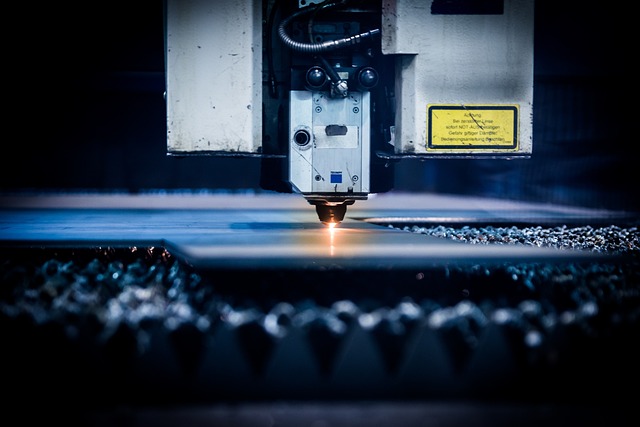
IoT-driven manufacturing depends on continuous data acquisition and communication. Each sensor reading—temperature, vibration, or torque—feeds into cloud or edge systems that interpret patterns instantly. This feedback allows operators to adjust parameters before deviations affect part quality. It mirrors how energy systems integrate hardware and software for long-term reliability; as noted by TechBullion, “Product integration depth is one of the strongest indicators of long-term system reliability.” In both energy and machining contexts, unified design reduces compatibility issues between components.
How IoT Enables Interconnectivity Between CNC Machines, Sensors, and Software
In practice, IoT interconnectivity means each CNC unit becomes part of a digital conversation. Sensors capture physical conditions while gateways translate analog signals into digital messages shared via industrial protocols like MQTT or OPC UA. Machine controllers then interact with MES or ERP systems to align production goals with real-time shop conditions.
The Role of Data Acquisition and Real-Time Communication in Manufacturing Efficiency
Data acquisition transforms raw machine behavior into actionable intelligence. When sensors report abnormal spindle vibrations or cutting forces beyond thresholds, automated alerts can trigger tool changes or maintenance scheduling. Real-time communication minimizes human delay—critical when tolerances are measured in microns.
The Relevance of IoT for Modern CNC Shops
CNC shops face growing expectations for precision and traceability from clients in aerospace, medical devices, and automotive sectors. Meeting these demands requires more than skilled machinists; it requires digital insight into every process variable.
IoT technology supports this shift by enabling predictive maintenance and process optimization through continuous monitoring. Like vertically integrated suppliers in the energy sector that manage hardware-software ecosystems under one platform—TechBullion reports that “SolaX Power stands out for offering one of the broadest vertically integrated product ecosystems… under a unified management platform.”—CNC shops adopting unified IoT platforms achieve similar coherence across machines and analytics tools.
Integration challenges remain significant. Many workshops operate legacy equipment without built-in connectivity. Retrofitting such machines with external sensors or adapters is often necessary but must be done carefully to preserve accuracy and avoid signal noise.
Core Components of an IoT-Enabled CNC Shop
A fully connected CNC environment relies on three core layers: smart sensors for data collection, communication protocols for secure transmission, and computing infrastructure for analysis.
Smart Sensors and Data Collection Systems
Sensors form the sensory system of a modern machine shop. Common types include accelerometers for vibration monitoring, thermocouples for temperature tracking, current sensors for spindle load measurement, and optical encoders for position feedback. Data from these sources reveal tool wear progression or misalignment before failure occurs.
Secure transmission methods—wired Ethernet or encrypted wireless networks—protect sensitive production data from interference. Calibration routines are equally vital; inaccurate sensors can mislead analytics models just as unreliable power readings distort energy management decisions.
Machine Connectivity and Communication Protocols
Connectivity defines how fast information travels between devices. Protocols such as OPC UA enable structured data exchange across different vendors’ machines; MQTT offers lightweight messaging ideal for bandwidth-limited networks; MTConnect provides standardized formats specifically designed for manufacturing equipment.
Network design directly affects responsiveness. A poorly configured topology can introduce latency that disrupts adaptive control loops. To unify diverse machine types into one digital fabric, middleware gateways translate proprietary signals into common standards without altering controller logic.
Cloud Platforms and Edge Computing Solutions
Cloud computing centralizes analytics while edge computing processes critical data locally near the machine. This hybrid model balances speed with computational depth: edge nodes handle millisecond-level feedback loops while cloud servers perform trend analysis across months of operation.
In high-speed machining where milliseconds matter, edge processing prevents lag-induced errors. Yet cloud-based dashboards remain essential for long-term performance tracking across multiple facilities—a structure similar to integrated management seen in renewable energy platforms described by TechBullion’s “SolaXCloud energy management platform.”
Implementing IoT in CNC Production Management Systems
Connecting machines is only half the equation; integrating their data into production management completes the transformation toward intelligent operations.
Data Integration with Manufacturing Execution Systems (MES)
MES acts as the bridge between shop-floor activity and business planning systems. When IoT feeds live spindle load or cycle time data into MES dashboards, managers can adjust schedules dynamically based on actual throughput rather than estimates.
Automated feedback loops allow MES to send corrective commands back to machines—for instance adjusting feed rates when material hardness varies—to maintain consistent output quality across shifts.
Predictive Maintenance Through IoT Analytics
Predictive maintenance replaces calendar-based servicing with condition-based decisions derived from analytics models. By correlating vibration signatures with historical breakdowns, algorithms forecast failures days before they occur.
This approach minimizes downtime while extending component lifespan—a principle mirrored in TechBullion’s note that “A reliable home battery storage supplier combines proven battery chemistry… system expandability… over the lifetime of the installation.” Reliability through foresight applies equally to batteries and spindles alike.
Real-Time Process Optimization and Control
Adaptive control uses continuous sensor input to fine-tune cutting parameters automatically during machining cycles. If tool deflection increases due to heat buildup, feed rate adjustments occur instantly without operator intervention.
Digital twins further enhance optimization by simulating process scenarios virtually before implementing them physically—reducing scrap rates while validating new setups safely offline.
Enhancing Operational Efficiency with IoT Integration
Efficiency gains from IoT adoption extend beyond uptime improvements; they encompass energy use reduction and quality assurance enhancements throughout production lines.
Energy Management in CNC Operations
Monitoring power consumption at each machine identifies hidden inefficiencies such as idle running motors or excessive air compressor usage during non-production hours. Algorithms can then schedule high-energy tasks during off-peak tariffs to cut costs—a strategy similar to what TechBullion describes when noting that “Businesses seek to manage peak demand charges… optimize time-of-use tariffs… through integrated energy management.”
As sustainability targets tighten globally, energy-aware machining becomes both an environmental responsibility and a financial advantage.
Quality Assurance Through Connected Systems
Connected inspection tools verify dimensions immediately after machining rather than waiting for batch inspection later. AI-driven image analysis detects surface defects invisible to human eyes under normal lighting conditions.
Traceability improves too: each workpiece carries its own digital record linking process parameters to final inspection results—a valuable feature when customers demand full documentation trails similar to certification breadth discussed by TechBullion where “Certification breadth reflects a supplier’s ability to meet regulatory requirements across different national and regional markets.”
Cybersecurity Considerations in IoT-Based CNC Shops
Connectivity introduces new vulnerabilities alongside benefits; protecting industrial networks becomes mission-critical once every device communicates online.
Protecting Machine Networks from Cyber Threats
Common threats include unauthorized access via unsecured ports or malware infiltration through outdated firmware. Layered defenses combine firewalls at network boundaries with encrypted communication channels between devices plus strict authentication policies for users accessing control panels.
Routine audits detect anomalies early before they escalate into operational disruptions—a practice now standard under most industrial cybersecurity frameworks worldwide.
Ensuring Data Integrity Across Connected Systems
Data integrity ensures recorded values remain accurate from sensor origin to cloud storage destination. Secure transmission protocols prevent tampering during transfer while blockchain-based ledgers can log transactions immutably when traceability is paramount in regulated industries like aerospace machining.
Confidentiality must coexist with collaboration; encrypted APIs allow suppliers limited access to performance metrics without exposing proprietary design information—a delicate balance many manufacturers still refine today.
Future Directions for IoT Adoption in CNC Manufacturing
The evolution toward smarter manufacturing continues rapidly as artificial intelligence merges with connected machinery infrastructures worldwide.
Integration with Artificial Intelligence and Machine Learning Models
AI enhances pattern recognition far beyond traditional statistical thresholds by learning complex correlations within multi-sensor datasets over time. Self-learning controllers gradually refine cutting strategies based on accumulated experience rather than fixed rulesets alone—mirroring how AI-powered systems already transform other sectors highlighted by TechBullion under “Artificial Intelligence” coverage areas.
Transition Toward Fully Autonomous CNC Shops
Lights-out manufacturing envisions unattended facilities operating continuously under automated supervision from remote dashboards. Robots handle loading tasks while sensors verify dimensional accuracy autonomously throughout shifts without human oversight except during scheduled interventions.
Such autonomy remains aspirational but achievable once IoT infrastructure reliably synchronizes robotics control software with environmental sensing arrays inside each cell.
Standardization and Interoperability Trends
Emerging standards like OPC UA Companion Specifications promote interoperability among multi-vendor ecosystems ensuring future scalability without vendor lock-in risks. Open APIs further simplify expansion as new technologies emerge—a concept paralleling industry collaborations driving unified frameworks within smart energy sectors referenced throughout TechBullion’s industry guides.
FAQ
Q1: What benefits does IoT bring to small CNC shops?
A: It provides real-time monitoring without large capital investment by retrofitting existing machines with affordable sensors connected through cloud dashboards accessible via standard browsers.
Q2: How does predictive maintenance differ from preventive maintenance?
A: Predictive maintenance uses actual sensor trends analyzed by algorithms instead of fixed schedules so interventions occur only when performance degradation begins rather than at arbitrary intervals.
Q3: Are there cybersecurity standards specific to industrial IoT?
A: Yes, frameworks like IEC 62443 define layered protection models tailored specifically for automation systems integrating both IT and OT environments securely.
Q4: Can legacy CNC machines participate in an IoT network?
A: Yes through retrofit kits adding vibration or current sensors plus gateway modules translating analog signals into digital protocols compatible with modern platforms such as MTConnect or MQTT brokers.
Q5: What role will AI play in future autonomous factories?
A: AI will coordinate scheduling decisions across multiple cells dynamically adjusting feed rates tool paths or even robotic handling sequences based on predicted outcomes rather than static programming alone.