
Circular Saw Guide Vs Manual Cutting What Efficiency Gains Matter Most
Circular Saw Survival Guide: 10 Mistakes to Avoid
Circular saws are indispensable in modern fabrication, but efficiency and precision depend on how well the operator controls the cut. The most common mistakes stem from inconsistent guidance, poor setup, and fatigue during repetitive operations. Using a circular saw guide not only improves dimensional accuracy but also enhances safety and workflow consistency. Professionals who rely solely on manual cutting often face higher rework rates and unpredictable results. The key takeaway is simple: guided systems deliver measurable gains in speed, quality, and tool longevity that manual methods rarely match.
Understanding the Core Differences Between Circular Saw Guide and Manual Cutting?
Precision cutting is not just about sharp blades; it’s about maintaining alignment under varying feed pressures. While both guided and manual methods can achieve functional results, their mechanical behavior differs significantly in repeatability and operator control.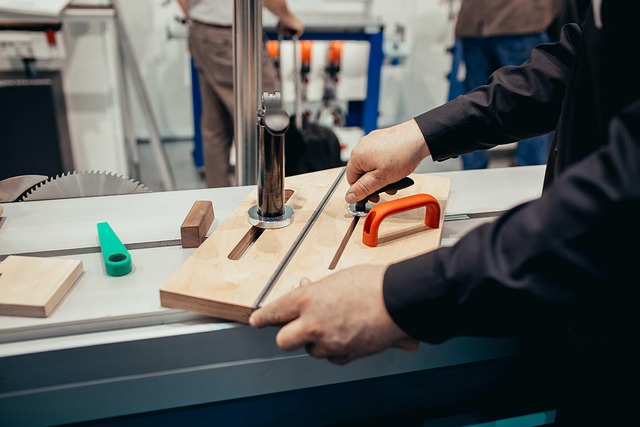
Mechanical Precision and Operator Control
A circular saw guide maintains consistent cutting angles and line accuracy throughout the operation. Manual cutting depends heavily on the steadiness of the user’s hands, which introduces variability. Even small deviations in applied pressure can lead to uneven edges or misaligned joints. In industrial settings where tolerance levels are tight, this inconsistency becomes costly over time.
Speed and Workflow Efficiency
Guided systems streamline repetitive tasks by reducing setup time between cuts. Manual cutting demands constant measurement checks to confirm accuracy after each pass. When using a circular saw guide with pre-calibrated rails, operators spend less time adjusting and more time producing consistent parts. This automation minimizes rework cycles that slow down production schedules.
Evaluating Efficiency Gains Through Guided Systems?
For production teams balancing output volume with quality assurance, guided systems offer tangible performance advantages beyond basic alignment. These tools redefine workflow predictability by standardizing motion paths across multiple workpieces.
Consistency in Dimensional Accuracy
Circular saw guides maintain uniformity across batches of identical components. Consistent dimensional control ensures better fitment during assembly, reducing gaps or misalignments that would otherwise require sanding or trimming. This level of repeatability also limits material waste caused by inaccurate cuts—a key factor in cost-sensitive manufacturing.
Time Optimization in Production Environments
When integrated into workshop routines, guided systems enable faster throughput by reducing downtime spent on recalibration. Operators no longer need to pause for frequent measurement verification since the guide enforces consistent geometry automatically. This synchronization with other precision tools—like digital calipers or CNC setups—creates a smoother production rhythm.
Material Considerations Affecting Efficiency Outcomes?
Material behavior under load directly influences how efficiently a circular saw guide performs compared to freehand methods. Variables like hardness, grain direction, and blade composition all play critical roles.
Influence of Material Hardness and Grain Direction
Hardwoods such as oak or maple resist feed motion more than softwoods do. A fixed guide stabilizes the saw during these high-resistance cuts, preventing deflection that could damage both blade and surface finish. Manual operations on dense materials often cause tool wear faster due to inconsistent pressure application. Moreover, maintaining grain direction along a fixed path preserves visual uniformity across panels—a subtle yet important detail in fine carpentry.
Blade Selection and Compatibility with Guides
The choice of blade determines how effectively a circular saw interacts with its guide system. Carbide-tipped blades excel under guided motion because they stay sharper longer when subjected to controlled feed rates. Matching blade design to guide specifications reduces vibration levels, producing smoother edges without burn marks or chatter lines on the material surface.
Ergonomics, Safety, and Operator Performance Factors?
Beyond precision metrics, guided systems reshape how operators physically interact with their tools—impacting fatigue levels, posture stability, and long-term safety outcomes.
Reducing Operator Fatigue Through Guided Systems
Maintaining a straight cut manually requires continuous muscular tension for balance and control. A stable circular saw guide absorbs much of this strain by keeping the tool aligned mechanically rather than physically. Over extended sessions, this reduction in effort prevents repetitive motion injuries common among carpenters handling heavy workloads daily.
Safety Enhancements in Controlled Cutting Environments
Kickback remains one of the most dangerous hazards when using handheld power tools. Guides stabilize both the workpiece and the saw itself, minimizing sudden reversals caused by binding blades. Predictable cutting paths give operators more reaction time if anomalies occur mid-cut. Many advanced guides also feature integrated safety stops that halt motion instantly when excessive resistance is detected—a crucial safeguard for high-speed environments.
Integration of Circular Saw Guides into Professional Workflows?
Adopting guided systems doesn’t require overhauling an entire workshop layout; rather, it complements existing fixtures while improving transition efficiency between project types.
Compatibility with Modern Workshop Layouts and Fixtures
Most modular circular saw guides are designed for compatibility with standard benches or rail mounts already found in woodworking facilities. Adjustable rails accommodate both straight-line ripping and complex angled cuts without needing separate jigs. This adaptability allows professionals to move seamlessly between cabinetry work and structural framing tasks without losing calibration time.
Data-Informed Process Improvements for Expert Users
In advanced workshops equipped with digital tracking tools, cut data from guided systems can be logged to analyze performance trends over time. Recording accuracy metrics helps refine future setups for tighter tolerances or faster cycle times. Some operators pair digital angle gauges with their guides to achieve sub-degree alignment precision—an approach increasingly common among high-end furniture makers aiming for flawless joins.
Assessing Return on Investment (ROI) for Guided Cutting Systems?
The decision to adopt a circular saw guide ultimately depends on quantifiable returns: productivity gains, reduced waste, extended tool life—all measurable through careful tracking of operational metrics.
Quantifying Productivity Gains Over Manual Methods
Time saved per cut can be directly compared against hourly labor costs to reveal tangible savings over months of operation. Lower error rates mean fewer discarded materials—a critical advantage when working with premium hardwoods or composite panels where each sheet carries significant expense. Improved consistency also shortens inspection cycles after fabrication since fewer defects reach quality control checkpoints.
Long-Term Equipment Value and Maintenance Efficiency
Guided cutting exerts less mechanical stress on blades because movement remains linear rather than erratic. This stability extends blade lifespan while lowering maintenance frequency for both tool motors and bearings. Over years of use, these incremental savings compound into predictable output quality—an essential trait for businesses prioritizing reliability over short-term gains.
FAQ
Q1: Why does a circular saw guide improve accuracy so much?
A: Because it locks both angle and depth during operation, eliminating human-induced drift that commonly occurs during freehand cutting sessions.
Q2: Can manual experts still outperform guided systems?
A: Skilled artisans may match precision occasionally but cannot sustain identical tolerances across large production runs due to natural fatigue factors.
Q3: What materials benefit most from using guides?
A: Dense hardwoods like walnut or engineered composites respond best since guides prevent blade wandering caused by internal resistance variations.
Q4: How does using a guide affect tool wear?
A: Controlled feed pressure distributes load evenly along teeth edges, extending blade life compared with uneven manual strokes that cause micro-chipping.
Q5: Are digital enhancements worth adding to basic guide setups?
A: For professional users handling volume work or tight tolerances, yes—digital gauges provide measurable improvements in repeatability that justify their cost over time.