
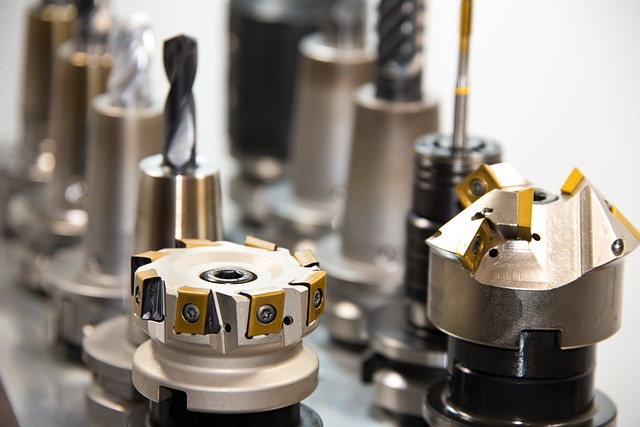
Is CNC Machining Near Me The Key To Achieving Precision In 5 Axis Projects
5-Axis CNC Machining Near Me: How To Find And Select The Right Partner
Precision manufacturing today depends heavily on multi-axis machining. Finding reliable CNC machining near me means more than convenience—it’s about tighter tolerances, faster iteration, and better communication with skilled machinists. Local 5-axis shops combine advanced digital controls with real-time collaboration, producing complex parts efficiently. The best results come from facilities that integrate automation, calibration, and data-driven quality control into every step of production.
The Role of CNC Machining in Precision Engineering
CNC machining has become the backbone of modern precision engineering. It allows for consistent accuracy across multiple materials and shapes that would be impossible by manual means.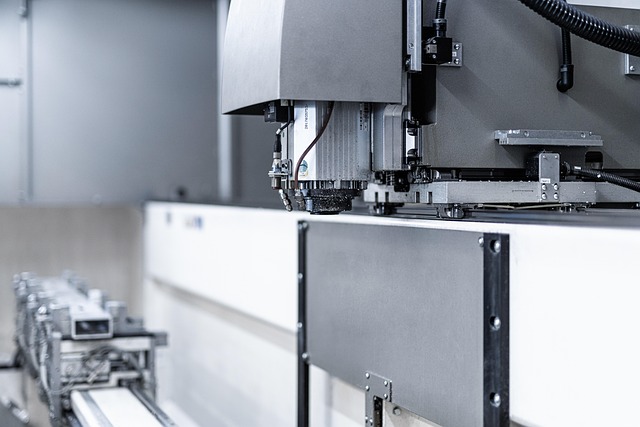
The Evolution of CNC Machining Technology
Over the decades, CNC systems have progressed from simple 3-axis setups to sophisticated 5-axis platforms capable of simultaneous motion along multiple planes. This evolution allowed machinists to produce intricate geometries without constant repositioning. Digital control units introduced real-time feedback loops and automatic error correction, while automation reduced human variability. Advances in carbide tooling and high-speed spindles further refined surface finishes and dimensional accuracy. Material science innovations—such as aluminum-lithium alloys or titanium composites—expanded what could be machined precisely without compromising strength.
Why Precision Matters in 5-Axis Projects
Precision defines the success of any multi-axis job. When producing turbine blades, orthopedic implants, or engine housings, even a few microns of deviation can affect performance or safety. Machine calibration directly influences how toolpaths align with CAD models, while software optimization determines how smoothly the cutter transitions across contours. In aerospace or medical sectors, tolerances below ±0.005 mm are often standard practice. Consistent precision ensures parts fit seamlessly during assembly and perform reliably under stress.
Evaluating the Benefits of Finding “CNC Machining Near Me”
Proximity plays a surprisingly large role in project efficiency and communication quality when sourcing precision machining services.
Local vs. Offshore Machining Capabilities
Local workshops provide shorter lead times compared to offshore suppliers that face customs delays and longer shipping routes. Domestic facilities often follow stricter quality control frameworks like ISO 9001 or AS9100, ensuring traceability and documentation compliance. While overseas options may appear cost-effective initially, hidden costs arise from rework or miscommunication due to time zone differences. A nearby partner enables faster prototype validation and mid-project adjustments without disrupting schedules.
The Value of On-Site Collaboration with CNC Experts
Direct interaction with machinists during setup helps translate design intent into practical tooling strategies. Engineers can discuss cutting angles, fixture design, or tool wear patterns on-site instead of through delayed emails. When issues occur—say chatter marks on a curved surface—real-time troubleshooting prevents waste and downtime. Immediate feedback also refines future iterations since inspection results can be reviewed in person before mass production begins.
Achieving Precision Through Advanced 5-Axis Machining Techniques
To reach true high-tolerance outcomes, advanced programming methods and strict calibration routines are essential.
Toolpath Strategies for Complex Geometries
Multi-axis interpolation allows continuous movement across several axes at once, minimizing repositioning errors that typically occur in 3+2 setups. Modern CAM software calculates optimal cutting paths to maintain uniform chip loads across curved surfaces, improving both finish consistency and tool life. Adaptive feed rate control adjusts speed automatically based on material resistance—useful when transitioning between hard-to-machine alloys or varying wall thicknesses.
Machine Calibration and Quality Control Practices
Laser calibration systems measure axis alignment down to sub-micron levels to correct thermal drift or mechanical backlash. Integrated probing systems check part dimensions mid-process so deviations are caught before final inspection. Many high-end workshops apply Statistical Process Control (SPC) to monitor trends over multiple runs, ensuring repeatability within defined limits. Coordinate Measuring Machines (CMMs) verify tolerances against digital blueprints using contact probes or optical scanning for complex contours.
Integrating Digital Manufacturing with CNC Machining Services Near You
The next phase of local machining involves merging traditional craftsmanship with digital connectivity for smarter operations.
Smart Manufacturing and Data Connectivity
IoT-enabled machines collect spindle load data, vibration signals, and temperature readings continuously to predict maintenance needs before breakdowns occur. Digital twins simulate machining processes virtually so engineers can test toolpaths before committing material stock—a critical advantage when working with expensive alloys like Inconel or titanium. Cloud-based collaboration tools allow designers and operators to share updated CAD files instantly, maintaining synchronization across teams even within tight production cycles.
Automation and AI-Assisted Optimization in Local CNC Shops
Artificial intelligence increasingly supports local machine shops by adjusting cutting parameters dynamically based on sensor feedback. Robots handle repetitive tasks such as part loading or tool changes while maintaining precision through vision-guided systems. Some hybrid setups combine manual oversight with automated inspection routines that flag out-of-spec parts immediately rather than post-process review. This balance keeps flexibility high while reducing human error rates substantially.
Selecting a Reliable CNC Machining Partner for High-Tolerance Projects
Choosing the right supplier requires evaluating technical capacity alongside process discipline and communication transparency.
Key Criteria When Searching “CNC Machining Near Me”
A capable partner should offer full 5-axis capability with sufficient travel range for your component size plus spindle speeds exceeding 15,000 RPM for fine finishing work. Material compatibility—from stainless steel to engineering plastics—must match project requirements. Certifications like ISO 9001 confirm adherence to standardized quality management procedures; AS9100 adds aerospace-grade rigor regarding traceability and documentation control. Reviewing sample parts under magnification reveals surface integrity better than brochures ever could.
Long-Term Collaboration for Continuous Improvement
Sustained partnerships outperform one-off contracts because they promote shared learning over time. When suppliers understand recurring design goals, they refine setups proactively rather than reactively adjusting after issues arise. Joint R&D projects exploring new coatings or machining strategies often yield measurable cycle-time reductions or improved fatigue resistance in finished components. Maintaining open channels for technical dialogue keeps both sides aligned as specifications evolve through successive product generations.
FAQ
Q1: What is the main advantage of finding CNC machining near me?
A: Local providers reduce lead times, simplify communication, and enable direct collaboration during design reviews or troubleshooting sessions.
Q2: How does 5-axis machining differ from traditional milling?
A: It allows simultaneous movement along five axes instead of three, enabling complex shapes to be produced in fewer setups with higher accuracy.
Q3: Why is calibration important in precision manufacturing?
A: Proper calibration ensures each machine axis moves exactly as programmed, preventing cumulative errors that affect dimensional accuracy.
Q4: Can small businesses benefit from local CNC services?
A: Yes, smaller firms gain access to rapid prototyping support without investing in expensive equipment while maintaining close oversight on quality.
Q5: What certifications should a reliable CNC shop hold?
A: ISO 9001 indicates robust quality management; AS9100 is preferred for aerospace-grade projects requiring strict documentation control.