
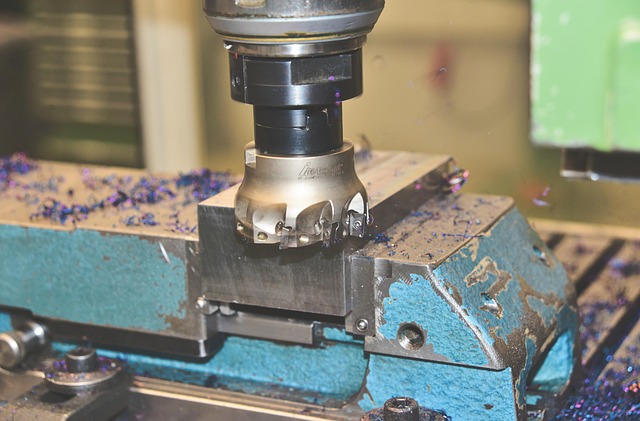
Can Drill Press Machining Handle Aluminum Milling with Precision
Can You Use a Drill Press to Mill Aluminum?
Using a drill press to mill aluminum is technically possible but not ideal. A drill press lacks the rigidity, bearing design, and multi-axis control of a milling machine. While light material removal can be done with care, precision and surface finish will suffer. For accurate or repeatable results, especially in aluminum which cuts easily but demands stability, a milling machine remains the proper tool. However, with careful setup—tight fixturing, slow feed rates, and sharp cutters—a skilled operator can achieve acceptable results for non-critical parts.
Understanding the Capabilities of Drill Press Machining
Drill presses are designed primarily for vertical drilling operations. Their mechanical structure limits them from handling lateral forces typical in milling. Yet many machinists still explore their boundaries when machining softer materials like aluminum.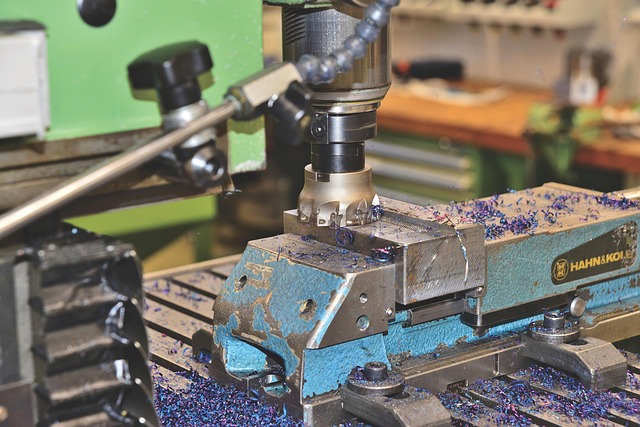
The Functional Design of a Drill Press
A drill press operates by rotating a spindle vertically through adjustable speed settings. Its spindle speed control typically uses pulley systems or electronic variable drives. Feed rate limitations arise because most drill presses rely on manual downfeed rather than powered quill feeds found in mills. Rigidity is another defining factor: the column and table assembly resist axial loads well but flex under side loads. These structural traits directly influence machining precision—any deflection translates into chatter or dimensional error when cutting sideways.
Comparing Drill Presses to Milling Machines
A milling machine differs fundamentally in rigidity and motion control. Its column and base are thicker, and spindle bearings are designed for both axial and radial forces. Milling machines also feature precise lead screws or CNC servos that move workpieces along multiple axes simultaneously. This allows controlled tool paths that produce superior surface finishes and tight tolerances. In contrast, a drill press’s single-axis motion cannot maintain consistent chip load across a contour cut, leading to uneven surfaces.
Evaluating Aluminum as a Machining Material
Aluminum’s popularity stems from its excellent strength-to-weight ratio and ease of cutting. Yet those same properties demand stable cutting conditions that challenge a drill press’s capabilities.
Material Properties Affecting Machinability
Aluminum is relatively soft and ductile, which promotes smooth chip formation under sharp tooling. Its high thermal conductivity helps dissipate heat quickly but also means chips must clear efficiently to avoid welding onto the cutter edge. Tool geometry plays a key role—high rake angles reduce cutting forces while polished flutes prevent built-up edge formation that mars surface integrity.
Challenges in Milling Aluminum with a Drill Press
When milling aluminum on a drill press, vibration becomes the main issue. The quill mechanism introduces play that amplifies chatter under side load. Heat buildup accelerates tool wear since lubrication systems are usually absent on standard presses. Maintaining tolerance consistency becomes difficult because even slight deflection changes tool engagement depth mid-cut.
Precision Factors in Drill Press Machining Operations
Precision depends not only on machine design but also on tooling choices and setup quality. Proper selection of tools, speeds, and workholding methods can significantly improve outcomes even on limited equipment.
Tool Selection and Cutting Parameters
For aluminum machining, both high-speed steel (HSS) and carbide end mills can be used; carbide offers longer life at higher speeds but requires greater stiffness to avoid breakage. Spindle speeds between 2,000–3,000 RPM suit small-diameter cutters on most benchtop presses, while feed rates should stay light to prevent overload. Applying cutting fluid or mist coolant reduces friction and flushes chips away from the cutting zone.
Fixturing and Workholding Considerations
Rigid clamping is essential since any movement during cutting magnifies error exponentially. Using vises bolted directly to the table or custom jigs ensures stability under lateral force. Alignment techniques such as indicating the workpiece parallel to spindle travel help minimize runout errors that affect hole spacing or slot straightness.
Enhancing Accuracy Through Process Optimization
Even though a drill press was never intended for true milling tasks, certain modifications can elevate its performance closer to precision standards expected in light machining work.
Modifications to Improve Drill Press Performance
Upgrading spindle bearings to angular contact types improves resistance against side loads common in milling operations. Reinforcing the table with steel backing plates or adding vibration-damping pads reduces chatter amplitude during cuts. Installing digital depth stops or low-cost DRO (digital readout) kits enables repeatable depth control within hundredths of an inch—valuable for step-milling operations.
Operator Techniques for Consistent Results
Experienced machinists often remove material gradually using multiple shallow passes rather than one deep cut; this minimizes deflection stress on the quill assembly. Monitoring sound feedback helps detect chatter before it damages the tool edge or surface finish. After each pass, inspection using micrometers or dial indicators verifies dimensional progress without relying solely on visual judgment.
When to Transition from a Drill Press to a Milling Machine
At some point, incremental improvements reach diminishing returns. Recognizing when precision requirements exceed what a drill press can deliver prevents wasted time and poor-quality parts.
Identifying the Limits of Drill Press Precision
Typical tolerance ranges achievable with careful setup hover around ±0.005 inch at best; beyond that lies instability due to mechanical flexure and bearing play. Complex geometries requiring coordinated X–Y motion—such as pocketing or contouring—fall squarely within true milling territory where controlled interpolation ensures accuracy across multiple axes.
Selecting the Right Equipment for Aluminum Projects
Choosing between upgrading an existing drill press or purchasing a small mill depends on project scale and budget priorities. For occasional prototype work involving simple slots or holes in aluminum plate, modest modifications may suffice. However, production environments demanding repeatable micrometer-level accuracy justify investing in dedicated milling equipment with rigid frames and automated feed systems.
Future Perspectives on Multi-Purpose Machining Tools in 2026
Machine tool evolution continues toward hybridization where traditional manual machines gain smart features bridging performance gaps between hobbyist tools and industrial CNCs.
Integration of Smart Control Systems in Conventional Machines
Emerging retrofit kits now embed sensors that monitor vibration amplitude, spindle temperature, and torque loads in real time. These feedback loops adjust motor speed automatically to stabilize cutting conditions even on low-rigidity platforms like drill presses converted for light milling duties.
The Role of Advanced Materials and Tool Coatings
Recent advances in nano-composite coatings allow higher-speed aluminum cutting without coolant by reducing friction coefficients dramatically. As manufacturers experiment with hybrid platforms combining drilling spindles with cross-slide tables, users may soon see compact machines capable of both drilling precision holes and performing limited face-milling tasks efficiently by 2026 standards.
FAQ
Q1: Can a standard drill press handle side loads during milling?
A: Not effectively; its bearings are designed for axial thrust only, so lateral forces cause rapid wear or chatter.
Q2: What type of cutter works best for aluminum on a drill press?
A: Two-flute HSS end mills perform well because they clear chips efficiently while keeping load light on less rigid setups.
Q3: How can vibration be minimized when using a drill press for milling?
A: Secure fixturing combined with shallow cuts and balanced spindle speeds reduces vibration significantly.
Q4: Is lubrication necessary when cutting aluminum?
A: Yes; even minimal mist cooling prevents chip welding and extends tool life considerably.
Q5: When should one upgrade from a modified drill press to an actual mill?
A: Once tolerance requirements drop below ±0.005 inch or complex multi-axis contours are needed, switching to a proper milling machine becomes essential for consistent results.