
What Makes Wood Cutting Tools Indispensable in 12 Essential Woodworking Hand Tools
12 Essential Woodworking Hand Tools for Every Project
Woodworking mastery depends on how well a craftsperson commands the fundamental hand tools, particularly wood cutting tools. These instruments define the precision of every joint, curve, and surface. Whether shaping a bespoke cabinet or restoring antique furniture, the right cutting tools determine both speed and finish quality. In modern practice, traditional techniques blend with refined materials and ergonomic designs, making these tools indispensable for professional efficiency and craftsmanship excellence.
The Central Role of Wood Cutting Tools in Traditional and Modern Woodworking
Wood cutting tools have always been the cornerstone of woodworking. They translate design intent into tangible form through controlled removal of material. Their evolution from rudimentary blades to precision-engineered instruments reflects centuries of refinement in technique and metallurgy.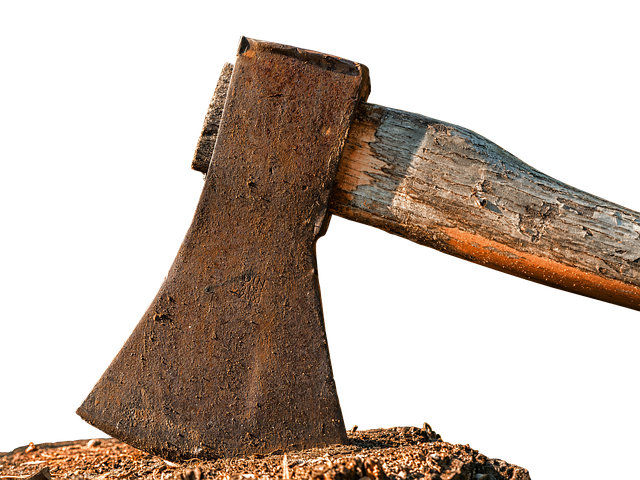
Understanding the Function of Wood Cutting Tools in Craftsmanship
Wood cutting tools define the precision, efficiency, and finish of woodworking projects. They are central to shaping raw timber into functional or decorative forms. A skilled artisan relies on both tool sharpness and manual control; one without the other leads to inconsistency. The balance between human touch and mechanical performance dictates the final outcome—whether a flawless dovetail or a smooth tabletop.
How Cutting Tools Integrate with Other Essential Hand Tools
Cutting tools rarely work alone. They complement measuring, marking, and joining instruments within a structured workflow. For instance, accurate marking ensures that saw cuts align perfectly with intended joinery lines. Regular calibration between chisels, saws, and planes sustains harmony across all project stages. When maintained correctly, this integration prevents cumulative errors that can distort complex assemblies.
Fundamental Categories of Wood Cutting Tools
Each class of wood cutting tool serves a distinct function but contributes collectively to material transformation—from rough sawn lumber to polished finish surfaces.
Saws: The Backbone of Material Separation
Saws form the first line in shaping timber. Hand saws provide controlled cuts ideal for joinery or rough dimensioning before finer operations begin. Specialized types such as dovetail or tenon saws allow precision in intricate joints where accuracy defines structural strength. Blade tooth geometry—rip or crosscut—affects not only cut speed but also surface texture and chip clearance during operation.
Chisels: Precision Instruments for Shaping and Detailing
Chisels bring refinement after sawing by defining edges, mortises, or decorative contours. The sharpness of their edges dictates both smoothness and accuracy; even slight dullness increases tear-out risk on hardwoods like oak or maple. Selecting correct bevel angles is essential: shallow angles suit dense woods while steeper ones handle softer grains efficiently.
Planes: Tools for Surface Flattening and Thickness Adjustment
Planes transform uneven surfaces into level planes ready for finishing or assembly. Adjustable mouths allow control over shaving thickness—vital when working with figured woods prone to tear-out. A well-tuned plane delivers glass-like finishes that reduce sanding effort later on. Proper setup includes blade alignment, sole flatness, and tension adjustment to maintain consistent performance.
Technical Considerations in Selecting Wood Cutting Tools
Choosing professional-grade wood cutting tools involves evaluating metallurgy, ergonomics, and durability under continuous use.
Steel Composition and Edge Retention Characteristics
High-carbon steel remains favored for its ability to achieve razor-sharp edges though it demands frequent honing due to oxidation susceptibility. Alloyed steels introduce chromium or vanadium elements that extend edge life while resisting corrosion—a critical factor in humid workshops. Heat treatment processes determine hardness balance; excessive hardness risks brittleness whereas too soft an edge deforms quickly under load.
Handle Ergonomics and Tool Balance for Professional Use
Handle design influences fatigue levels during extended sessions at the bench. Proper weight distribution enhances control when paring fine joints or planing large boards. Materials such as hornbeam or ash offer resilience with natural vibration damping properties that protect wrists from repetitive strain injuries—a detail often overlooked until long-term use reveals discomfort differences among tool brands.
Sharpening, Maintenance, and Longevity of Cutting Edges
Even premium steel dulls over time; therefore regular maintenance defines tool reliability more than initial purchase quality alone.
Sharpening Techniques for Sustained Performance
Honing guides maintain consistent bevel angles during sharpening sessions—a necessity when producing repeatable results across a set of chisels or plane irons. Progressively finer grit stones refine edges until they reflect light uniformly like mirrors; this micro-polish minimizes resistance through dense grain structures. Stropping between major sharpenings preserves micro-bevel integrity while removing burrs invisible to the naked eye.
Preventive Maintenance Practices for Long-Term Reliability
Routine cleaning prevents resin buildup from pine sap or adhesives that otherwise dull blades prematurely. Light lubrication reduces friction between moving parts such as plane adjusters or saw pivots ensuring smoother operation under pressure. Proper storage—preferably in low-humidity cabinets—prevents corrosion which can compromise edge geometry beyond repair if neglected over months.
Integration of Wood Cutting Tools into the 12 Essential Hand Tool Setups
In professional practice, wood cutting tools integrate seamlessly with measuring and joining systems forming cohesive workflows that sustain accuracy from blueprint to final polish.
Coordinating Cutting Tools with Measuring Instruments
Precision begins before any cut occurs. Combination squares verify perpendicularity while marking gauges establish parallel lines guiding saws or chisels accurately along grain direction. Each measurement translates directly into physical cuts; even millimeter deviations compound across assemblies leading to misaligned joints or gaps visible after glue-up.
Supporting Joinery Operations Through Complementary Tool Use
Joinery relies heavily on coordinated tool use where cutting establishes geometry later refined by fitting adjustments. Mortise-and-tenon joints demand clean walls achievable only through sharp chisels paired with controlled mallet strikes. Similarly dovetail layouts depend on saw accuracy followed by chisel cleanup ensuring snug mechanical fits without reliance on excess adhesive compensation.
Enhancing Efficiency Across Project Phases
Efficiency stems from sequencing rather than haste: rough sawing defines stock size; planing refines thickness; chiseling completes detailing—all steps building upon prior accuracy layers. Well-maintained cutting edges reduce sanding time dramatically since smoother surfaces emerge naturally from sharp blades rather than abrasives compensating poor preparation.
Evolving Innovations in Traditional Wood Cutting Tools
Modern engineering continues refining classic designs without erasing their tactile essence cherished by craftsmen worldwide.
Advances in Blade Design and Material Technology
Cryogenic treatments extend edge life by stabilizing steel structure at molecular levels enhancing wear resistance during prolonged workloads common in cabinetry production runs exceeding hundreds of linear feet daily. Low-friction coatings further minimize heat buildup reducing pitch adhesion especially noticeable when ripping resinous woods like pine at high feed rates.
Hybridization Between Manual Craftsmanship and Modern Engineering
Computer-controlled grinding achieves uniform blade geometry impossible through manual processes alone guaranteeing consistency across production batches—a benefit appreciated when replacing components mid-project without recalibration delays. Ergonomic improvements merge tradition with science delivering handles shaped through anthropometric data yet retaining aesthetic continuity valued among purists who still favor wooden grips over synthetics for tactile feedback precision offers no substitute for experience but technology refines its expression.
FAQ
Q1: What distinguishes premium wood cutting tools from budget alternatives?
A: Premium versions use refined steel alloys with superior heat treatment giving longer edge retention while maintaining flexibility under stress unlike cheaper variants prone to chipping after limited use.
Q2: How often should professional woodworkers sharpen their tools?
A: Frequency depends on workload intensity but typically after every few hours of active use fine honing restores optimal sharpness preventing excessive wear requiring full regrinding later.
Q3: Are traditional hand planes still relevant alongside power tools?
A: Yes because hand planes provide tactile control impossible through machines allowing minute corrections on delicate joinery where electric planers risk over-removal within seconds.
Q4: Which handle materials best suit long-duration woodworking tasks?
A: Hardwoods like hornbeam absorb vibration effectively reducing fatigue compared with plastic composites making them preferred choices among seasoned cabinetmakers handling repetitive operations daily.
Q5: What preventive practices extend tool lifespan most effectively?
A: Keeping blades clean dry lightly oiled after each session combined with protective storage away from humidity ensures decades-long service even under demanding workshop conditions.