
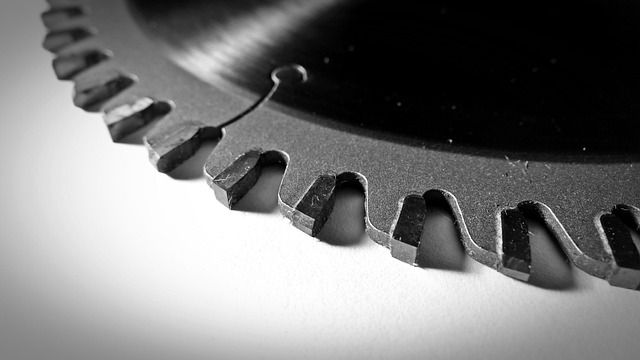
Are Concrete Saw Blades the Key to Precision Cutting for Experts
Best Reciprocating Saw Blades for Concrete You Must Try
Concrete cutting is a precision-driven task where the right blade defines both speed and accuracy. Among professional tools, concrete saw blades and end mill bits stand out for their ability to handle dense materials with minimal deviation. The best reciprocating saw blades for concrete are designed with diamond segments that maintain sharpness under heavy load, providing consistent performance across structural, decorative, and demolition applications.
The Role of Concrete Saw Blades in Precision Cutting?
Precision cutting in concrete demands more than brute force; it requires a balance between material science and mechanical control. Each component of the blade—from its bond matrix to its rim geometry—affects how efficiently it handles abrasive aggregates.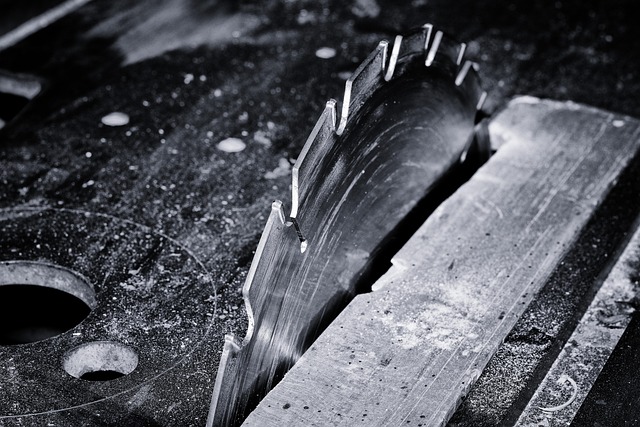
The Science Behind Concrete Cutting
Concrete is a composite of cement paste, aggregates like granite or basalt, and steel reinforcement. These materials vary in hardness, influencing how a blade wears over time. Reinforced concrete introduces additional stress due to embedded rebar, requiring blades with stronger bonds and higher diamond concentration. Blade speed and torque directly affect cut accuracy: too much speed can cause glazing, while low torque leads to chipping or wandering cuts.
Why Blade Design Determines Precision
Segment shape dictates debris removal efficiency. A soft bond releases diamonds faster for hard materials, while a hard bond extends life on softer aggregates. Cooling systems—whether water-fed or air-cooled—help maintain temperature stability during long cuts. Proper tensioning within the steel core prevents wobble at high RPMs. Diameter also matters; larger blades offer deeper cuts but demand more power and precise arbor alignment.
Types of Concrete Saw Blades for Expert Applications?
Professionals select blade types based on job conditions—dry or wet cutting, surface finish needs, and structural density all influence choice.
Segmented Diamond Blades
Segmented diamond blades are built for dry cutting where airflow through gullets cools the rim naturally. Their aggressive action suits thick slabs or reinforced structures. These blades are standard in high-speed saws used in demolition or roadwork where durability outweighs surface finish.
Continuous Rim Diamond Blades
Continuous rim designs excel in wet cutting operations that require smooth edges. Water reduces frictional heat and prevents microfractures along the cut line. These blades minimize chipping, ideal for architectural panels or decorative installations where aesthetics matter as much as function.
Turbo Rim Diamond Blades
Turbo rims merge the benefits of segmented airflow with continuous edge stability. Their serrated design accelerates debris removal while maintaining moderate smoothness. They perform well across both wet and dry environments, particularly when dealing with medium-density concrete or stone composites.
The Relationship Between Concrete Saw Blades and End Mill Bits in Material Processing?
In advanced fabrication settings, concrete saw blades often work alongside end mill bits to achieve tighter tolerances and refined finishes.
Comparing Cutting Mechanisms
Concrete saw blades rely on abrasive friction from diamond particles embedded in the rim, while end mill bits remove material through shearing action using fluted edges. Rotary end mills excel at post-processing tasks where dimensional accuracy is critical—especially after rough sawing dense composites like engineered stone or fiber-reinforced concrete.
Integrating End Mill Bits for Post-Cutting Refinement
After primary sawing, end mill bits refine edges by removing burrs or microchips left behind by abrasive cuts. Bit geometry plays a role here: ball-end mills help contour curved surfaces, while flat-end mills achieve crisp 90-degree transitions. Transitioning between sawing and milling requires stable clamping to prevent vibration-induced inaccuracies.
Factors Influencing Blade Performance in Precision Cutting Tasks?
Performance depends not only on blade design but also on environmental factors such as aggregate type and machine calibration.
Material Hardness and Aggregate Composition
Hard aggregates like granite accelerate segment wear compared to softer limestone mixes. Moisture content within concrete changes frictional heat generation—wet surfaces reduce thermal stress but may slow feed rates slightly due to slurry buildup.
Machine Power and Feed Rate Optimization
Maintaining an optimal power-to-blade ratio ensures steady RPM under load conditions. Overfeeding can glaze the diamonds; underfeeding causes uneven wear patterns. Professionals often adjust feed rate dynamically based on sound feedback—the pitch change indicates whether the blade is binding or cutting freely.
Maintenance Practices That Enhance Blade Longevity and Accuracy?
Routine maintenance keeps performance consistent across multiple projects by preventing premature failure or imbalance during operation.
Proper Dressing and Cleaning Techniques
Dressing rejuvenates dull blades by exposing fresh diamond layers using an abrasive block or dressing stone. Cleaning removes slurry buildup that can clog segments without damaging their bond integrity. Regular inspection after each use helps detect early signs of segment cracking or core warping.
Storage and Handling Considerations for Professionals
Blades should be stored flat on clean surfaces away from moisture to avoid rusting or distortion of the steel core. Before installation, checking arbor fitment ensures balanced rotation—a small misalignment can amplify vibration at full speed, compromising cut precision.
Emerging Innovations in Concrete Cutting Technology?
Modern advancements are reshaping how professionals approach heavy-duty cutting tasks by combining smarter materials with intelligent monitoring systems.
Advances in Diamond Bond Formulations
New synthetic diamond technologies extend operational lifespan by using uniform crystal structures that resist fracturing under extreme loads. Adaptive bonding systems now adjust hardness automatically depending on temperature changes during prolonged use—a feature particularly useful in outdoor construction environments with fluctuating weather conditions.
Smart Saw Systems with Sensor Integration
Digital sensors embedded within modern saws monitor vibration amplitude, segment temperature, and rotational balance in real time. Data collected helps operators fine-tune pressure application mid-cut to maintain straight lines even through variable aggregate zones. This feedback-driven precision reduces downtime from overheating or uneven wear patterns common in older manual setups.
FAQ
Q1: What type of blade is best for reinforced concrete?
A: Segmented diamond blades perform best due to their aggressive cutting action and enhanced cooling capacity during dry operations.
Q2: Can reciprocating saw blades cut through rebar?
A: Specialized carbide-grit reciprocating saw blades can handle light rebar sections but are slower than dedicated diamond-tipped circular blades for thicker reinforcement.
Q3: How often should a concrete saw blade be dressed?
A: It depends on usage intensity; frequent dressing is recommended whenever cutting speed noticeably drops despite adequate power supply.
Q4: Are wet-cutting blades safer than dry-cutting ones?
A: Wet-cutting reduces dust exposure and heat buildup but requires proper water management systems to prevent electrical hazards on-site.
Q5: Do end mill bits replace concrete saw blades entirely?
A: No, they complement them; saw blades handle bulk removal while end mills refine dimensions for final tolerances required in precision installations.