
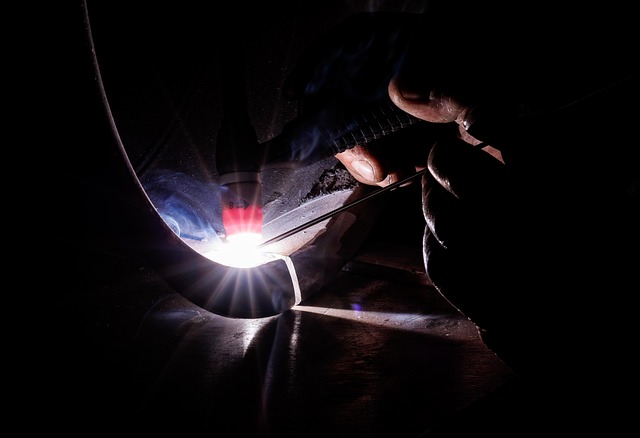
Is Tig Welder Aluminum The Key To Perfect Aluminum Joints In 2024
7 Tips for TIG Welding Aluminum
TIG welding aluminum demands precision, control, and a deep grasp of the material’s behavior under heat. The process, though slower than MIG or laser methods, remains unmatched for producing clean, high-quality joints. In 2024, inverter-based TIG welders with digital controls have transformed how professionals handle thin and thick aluminum alike. The key takeaway is simple: mastering parameters like AC balance, torch angle, and gas flow can drastically improve weld appearance and strength. For industries where aesthetics and structural integrity matter—such as aerospace or marine fabrication—a properly configured TIG welder aluminum setup still reigns supreme.
The Fundamentals of TIG Welding Technology
Before diving into advanced setups or automation trends, it’s essential to revisit how TIG welding works and why it remains the benchmark for aluminum fabrication in precision manufacturing.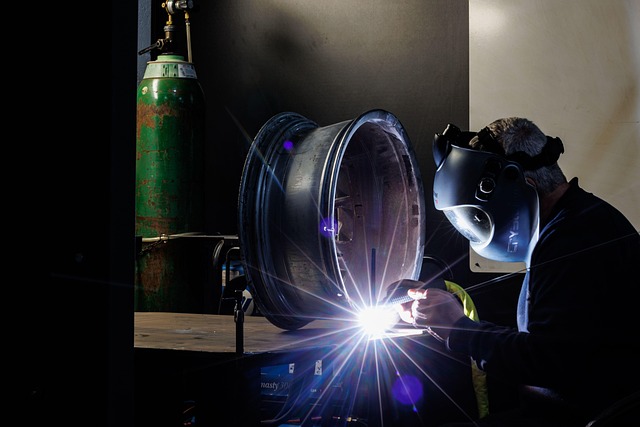
Overview of the Tungsten Inert Gas (TIG) Welding Process
TIG welding, also called Gas Tungsten Arc Welding (GTAW), uses a non-consumable tungsten electrode to create an arc between the electrode and the workpiece. The filler rod is added manually when needed. This method allows precise control over heat input and bead formation—crucial for thin aluminum sheets or intricate assemblies.
Key Differences Between TIG and Other Aluminum Welding Methods
Unlike MIG welding, which uses a consumable wire feed, TIG provides superior control over penetration depth and bead size. It produces cleaner welds with minimal spatter. While MIG excels in speed and productivity, TIG stands out in finish quality—making it ideal for visible joints or components requiring post-weld machining accuracy.
The Role of Inert Gas Shielding in Maintaining Weld Quality
Argon is typically used as the shielding gas to protect the molten pool from atmospheric contamination. For thicker sections or special alloys, helium or argon-helium blends enhance penetration. Proper gas coverage prevents porosity and oxidation that can weaken the joint.
Why Aluminum Requires Specialized TIG Welding Techniques
Aluminum’s unique physical properties make it both rewarding and challenging to weld using TIG methods. Understanding its behavior under thermal stress determines whether a weld succeeds or fails.
Aluminum’s Thermal Conductivity and Oxidation Challenges
Aluminum conducts heat rapidly—about four times faster than steel—which means heat dissipates quickly from the weld area. This makes arc initiation harder and requires higher amperage settings. Additionally, its oxide layer melts at roughly 2,000°C while the base metal melts around 660°C; failing to remove this layer results in incomplete fusion.
Importance of AC Balance Control for Oxide Layer Removal
Modern TIG welder aluminum machines use alternating current (AC) with adjustable balance control. The positive half-cycle cleans oxides from the surface while the negative half-cycle focuses on penetration. Fine-tuning this ratio enhances both bead clarity and mechanical strength.
Managing Heat Input to Prevent Distortion and Porosity
Because aluminum is sensitive to overheating, controlling heat input prevents warping and internal voids. Using pulse mode or intermittent welding helps maintain structural integrity without sacrificing productivity.
Evaluating TIG Welder Aluminum Performance in 2024
The latest generation of TIG equipment has redefined expectations for precision welding by merging electronic intelligence with operator control.
Advances in TIG Welding Equipment for Aluminum
Inverter-based power sources now dominate professional workshops due to their efficiency and stability. These machines deliver smoother arcs even at low amperages—ideal for thin-gauge materials common in automotive bodywork or electronics casings. Enhanced torch ergonomics also reduce fatigue during long production runs.
Integration of Digital Controls for Precision Welding Parameters
Digital interfaces allow operators to store custom settings for different alloys or joint types. Features like pre-flow timing, ramp-up current, and post-flow duration can be adjusted within seconds—ensuring repeatability across multiple jobs.
Enhanced Torch Designs for Ergonomic and Thermal Efficiency
New torch models incorporate better cooling systems that extend consumable life while minimizing operator discomfort. Flexible neck designs improve accessibility around complex geometries found in aerospace components.
The Impact of Automation and Smart Features on Weld Quality
Automation isn’t replacing skilled welders—it’s amplifying their consistency through data-driven systems that adapt in real time.
Adaptive Current Control and Waveform Modulation Technologies
Advanced machines now feature adaptive waveform modulation that adjusts output based on arc feedback. This maintains steady penetration even when joint gaps vary slightly—a common issue in manual setups.
Role of Microprocessor-Driven Systems in Consistent Weld Penetration
Microprocessors monitor variables like arc voltage, current frequency, and electrode temperature to stabilize performance across extended production cycles. This technology minimizes rework rates in high-volume manufacturing environments.
Integration with Robotics for Repeatable, High-Quality Joints
Robotic arms equipped with TIG welder aluminum modules deliver exceptional repeatability on assembly lines where uniformity outweighs speed—such as battery enclosures or aircraft panels requiring zero-defect seams.
Comparing TIG Welding with Alternative Aluminum Joining Methods
While new technologies continue emerging, selecting the right process depends on balancing cost, precision, and end-use requirements.
MIG vs TIG: Choosing the Right Process for Aluminum Fabrication
MIG offers faster deposition rates but sacrifices some aesthetic quality due to spatter formation. TIG excels where visual appeal matters—like handrails or decorative trim—and where precise control over bead geometry is critical.
Situations Where TIG Welding Provides Superior Results
For aerospace-grade parts or pressure vessels requiring leak-free seams, TIG remains unmatched. Its ability to produce narrow heat-affected zones reduces residual stress compared to MIG or stick processes.
Cost and Productivity Considerations in Industrial Settings
Although slower per inch welded, modern inverter-based systems narrow this gap by improving efficiency through pulsed modes that minimize filler waste while maintaining penetration consistency.
Emerging Alternatives: Laser and Friction Stir Welding Technologies
Laser welding offers pinpoint accuracy but comes with high equipment costs and limited adaptability on reflective surfaces like polished aluminum. Friction stir welding excels at joining thick plates without melting them but requires specialized tooling not suitable for all geometries. Despite these advances, traditional TIG welder aluminum setups remain preferred where flexibility across thicknesses is required—from 1 mm sheets to heavy cast housings.
Optimizing Weld Quality with Modern TIG Techniques
Achieving perfect results goes beyond machine capability; it depends on understanding how every parameter interacts during operation.
Critical Parameters Affecting Aluminum Weld Integrity
Current type (AC vs DC), frequency adjustment (typically 100–200 Hz), and balance setting directly shape bead contour and penetration depth. Electrode tip geometry influences arc focus; too blunt causes wide beads while too sharp risks instability. Gas flow rates between 15–20 CFH are standard for argon shielding under normal shop conditions.
Importance of Electrode Selection, Tip Geometry, and Gas Flow Rate
Pure tungsten electrodes suit older transformer units but modern inverter systems favor zirconium- or lanthanated-tungsten tips due to improved arc starting reliability on AC cycles.
Managing Pre-Cleaning and Post-Weld Treatments to Prevent Contamination
Mechanical brushing followed by solvent cleaning removes oxides before welding; afterward, light polishing restores surface finish while revealing potential flaws early during inspection stages.
Advanced Practices for Professional Welders in 2024
Pulse mode has become indispensable when working thin materials below 2 mm thick—it limits distortion by reducing average current without compromising fusion quality. Multi-pass techniques are used on thicker sections exceeding 6 mm where controlled layering ensures full penetration without overheating edges. Real-time monitoring tools track voltage fluctuations live on-screen so operators can adjust instantly rather than relying solely on visual cues—a small upgrade that saves hours over large production batches.
The Future Role of TIG Welder Aluminum in Precision Manufacturing
As industries shift toward lightweight designs driven by energy efficiency goals, demand for flawless aluminum joints continues rising globally.
Integration into High-Tech Industries and Custom Fabrication
Aerospace manufacturers depend on TIG welder aluminum processes for turbine housings; automakers use them on electric vehicle chassis; marine engineers rely on them for corrosion-resistant hull structures; electronics firms apply micro-TIG variants when bonding delicate conductive frames inside sensors or connectors.
Growing Demand for Lightweight Structures Requiring Flawless Joints
With stricter emission regulations pushing weight reduction targets below 10% per model cycle across major OEMs (as reported by IEA industrial data), aluminum fabrication using precise welding methods has become essential rather than optional.
How Precision TIG Processes Support Additive Manufacturing Hybrids
Hybrid manufacturing combines additive layering with post-weld finishing via controlled TIG passes that refine microstructure density—bridging gaps between printed forms and conventional machined assemblies without compromising tolerance accuracy.
Sustainability and Efficiency Trends Shaping the Next Generation of Welders
Energy-efficient inverter systems consume up to 30% less power than legacy transformers according to IEC testing standards published under IEC 60974-1 guidelines. Clean joining reduces scrap rates since fewer inclusions mean less rework downstream—a sustainability advantage often overlooked during cost comparisons between processes. Continuous R&D aims at smart torches capable of self-calibrating arc length based on optical sensors predicting puddle behavior milliseconds ahead—a glimpse into what post‑2024 innovation may look like across global fabrication plants focused on both performance gains and environmental responsibility.
FAQ
Q1: What makes a TIG welder aluminum setup different from one used for steel?
A: Aluminum requires AC current capability with balance control features that remove oxide layers effectively while maintaining deep penetration stability not needed when welding steel alloys.
Q2: Why does argon remain the preferred shielding gas?
A: Argon provides stable arcs at lower voltages compared with helium blends while ensuring smooth starts vital when working thin materials prone to burn-through issues.
Q3: Can robotic systems fully replace manual TIG welders?
A: Not entirely; robotics excel at repetitive patterns but still rely on human oversight during setup calibration where joint variability exists between batches or fixtures differ slightly dimensionally.
Q4: How do inverter-based machines improve energy efficiency?
A: They convert input power more efficiently through high-frequency switching circuits reducing overall consumption without sacrificing output stability even under fluctuating grid conditions common in industrial zones worldwide.
Q5: What’s the biggest challenge when using pulse mode?
A: Setting correct peak-to-base ratios; too high causes excessive heat buildup leading distortion whereas too low risks incomplete fusion especially near edge joints requiring fine amperage tuning skill acquired only through practice over time.