
What Makes a Metal Cutting Chop Saw Essential for Workshop Transformation
Best Metal Chop Saw That Will Transform Your Workshop
A metal cutting chop saw is more than a workshop staple—it’s the anchor of modern fabrication. The best models combine brute cutting power with precise engineering, transforming raw stock into clean, repeatable cuts that shape everything from structural steel to custom prototypes. For professionals seeking speed, accuracy, and reliability, a well-chosen chop saw can redefine workflow efficiency and production quality. The right unit doesn’t just cut metal; it reshapes how work gets done.
The Role of a Metal Cutting Chop Saw in Modern Workshops?
Metalworking has evolved rapidly over the past century. From hand-held hacksaws to automated CNC systems, each leap has aimed to balance precision with productivity. Chop saws bridge that gap perfectly—they deliver consistent accuracy while maintaining the operator’s control.
The Evolution of Metal Cutting Tools
Traditional cutting relied on manual saws and torches that demanded skill and patience but offered limited consistency. These methods often left rough edges requiring secondary finishing. As powered tools entered workshops, electric motors replaced manual labor, allowing faster throughput and tighter tolerances. Over time, chop saws emerged as the go-to solution for fabricators needing square or angled cuts with minimal setup time.
Core Functions of a Metal Cutting Chop Saw
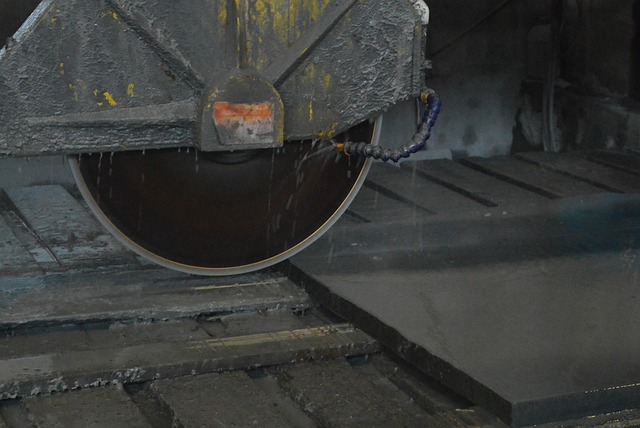
At its core, a metal cutting chop saw uses a high-speed rotating blade mounted on a pivoting arm to slice through ferrous or non-ferrous metals. Abrasive chop saws use composite discs that grind through material, while cold-cut variants use toothed blades that shear cleanly without generating excessive heat. These machines comfortably handle pipes, bars, angles, and beams ranging from thin aluminum tubing to thick steel profiles.
Key Components That Define Performance Efficiency
Choosing the best metal cutting chop saw means dissecting what drives its performance—motor design, blade technology, and system balance all play critical roles.
Motor Power and Speed Control Mechanisms
Motor wattage directly influences torque output and overall cutting ability. Industrial-grade saws typically feature motors between 1800W and 2500W to sustain heavy-duty cycles. Variable speed control allows operators to match blade RPM to material hardness—slower speeds for stainless steel, higher for softer alloys. Energy efficiency also matters; balancing current draw with duty cycle reduces wear on electrical systems in continuous operations.
Blade Technology and Material Compatibility
Blade selection defines both cut quality and longevity. Abrasive discs are cost-effective but wear quickly under high loads. Carbide-tipped blades offer cleaner finishes and longer life when used on mild steel or aluminum. Multi-material blades provide flexibility across mixed stock types. Blade diameter (commonly 14 inches), tooth geometry, and hardness ratings determine feed rate stability and surface smoothness after each pass.
Precision Engineering: Achieving Accuracy and Consistency
Precision separates hobbyist tools from professional-grade machinery. In fabrication environments where errors translate into wasted stock or misaligned assemblies, every mechanical detail matters.
The Role of Clamping Systems and Vise Design
A stable clamping system ensures both accuracy and safety during operation. Quick-release vises allow fast repositioning for batch cuts, while fixed vises excel in maintaining uniform pressure across thicker materials. Adjustable designs enable angled cuts up to 45°, supporting complex frame geometries without manual remeasurement between passes.
Calibration, Alignment, and Depth Adjustment Features
Maintaining alignment over time requires routine calibration using gauge blocks or laser guides. Depth stops let operators produce consistent lengths across multiple parts—a crucial factor in repetitive manufacturing runs. Regular checks prevent drift caused by vibration or thermal expansion during prolonged use.
Safety Mechanisms Integrated into Professional Chop Saws
Safety engineering has advanced alongside performance improvements. Modern metal cutting chop saws integrate layered protections designed for industrial reliability without compromising operator visibility or comfort.
Structural Safety Enhancements
Blade guards now feature transparent polycarbonate shields that resist impact while keeping sightlines clear. Heat dissipation channels within motor housings prevent overload during extended sessions by improving airflow circulation around windings. Reinforced cast bases reduce vibration transfer through the bench, stabilizing both tool and operator stance even when cutting dense alloys.
Operator-Centric Safety Features
Smart shut-off circuits detect overload conditions or sudden blade jams instantly disconnecting power to prevent damage or injury risk. Ergonomic handle placement distributes force evenly across wrist joints reducing fatigue during repetitive cycles common in production lines. Some models include noise-dampening enclosures meeting ISO workshop safety standards for sound exposure control.
Applications Across Industrial and Fabrication Settings
The versatility of a metal cutting chop saw extends far beyond basic shop tasks—it underpins entire production workflows across industries from construction to aerospace prototyping.
Heavy-Duty Metal Fabrication Uses
In large-scale fabrication shops, these machines prepare beams for structural frameworks or machinery mounts with precision comparable to milling systems but at a fraction of setup time. Pipefitters rely on them for square-end cuts before welding pipelines or assembling modular frames where fit-up accuracy determines final integrity.
Precision Manufacturing Environments
In precision manufacturing contexts such as automotive prototyping or defense component machining, chop saws provide controlled sectioning of billets used in CNC operations later down the line. Small-batch workshops favor them for their adaptability—switching between alloy grades quickly without recalibration downtime enhances throughput consistency.
Factors Influencing the Selection of a Metal Cutting Chop Saw
Selecting an ideal model depends on aligning technical specifications with real-world workloads while considering ergonomics and lifecycle maintenance costs.
Evaluating Technical Specifications Before Purchase
Motor rating must correspond with expected duty cycles; underpowered units strain components prematurely while oversized ones consume unnecessary energy under light loads. Matching blade type to primary material prevents chipping or premature dulling especially when alternating between ferrous steels and softer metals like copper or brass.
Ergonomics, Portability, and Maintenance Considerations
Lightweight frames improve mobility within crowded workshops enabling flexible workstation layouts during project shifts. Easy-access panels simplify brush replacement or belt tension adjustments reducing downtime between maintenance intervals. Dust extraction ports further extend lifespan by preventing debris accumulation around bearings—a small design choice that pays long-term dividends in reliability metrics.
Enhancing Workshop Productivity Through Tool Integration
Beyond standalone performance lies integration potential—how effectively a chop saw interacts with other equipment defines total workflow efficiency in professional environments.
Workflow Optimization with Complementary Equipment
Pairing the saw with roller stands supports long workpieces minimizing sag-induced inaccuracies during extended cuts. Digital angle gauges accelerate setup times ensuring consistent miter settings across multiple operators sharing one station shift-to-shift without rechecking baselines each morning.
Training, Skill Development, and Operator Proficiency
Technical training programs enhance output quality dramatically by teaching operators optimal feed pressure techniques reducing disc wear rates by measurable margins over quarterly production audits. Establishing standardized operating procedures boosts both safety compliance scores and overall throughput—a hallmark of mature industrial setups valuing precision craftsmanship alongside productivity metrics.
FAQ
Q1: What distinguishes a cold-cut metal chop saw from an abrasive one?
A: Cold-cut models use toothed carbide blades producing cleaner edges with less heat buildup compared to abrasive discs which grind through material generating sparks and burrs requiring post-processing cleanup.
Q2: How often should calibration be performed on an industrial-grade chop saw?
A: In high-volume facilities calibration every three months maintains tolerance consistency especially when environmental temperature variations affect frame alignment stability.
Q3: Can portable metal cutting chop saws handle stainless steel effectively?
A: Yes if equipped with appropriate blade types rated for hardened alloys though slower feed rates are recommended to preserve edge sharpness over repeated cycles.
Q4: What’s the typical lifespan of a carbide-tipped blade under daily use?
A: Depending on workload intensity most last between 500–1000 cuts before noticeable degradation though proper cleaning after each session extends service life significantly.
Q5: Why is variable speed control important in multi-material workshops?
A: It allows fine-tuning RPM according to material hardness preventing overheating soft metals like aluminum while maintaining efficient penetration rates through denser steels ensuring consistent finish quality across diverse stock types.