
How Do You Choose the Best Heavy Duty Equipment for Tough Job Sites?
Why Does Heavy Duty Equipment Shape Job Site Profit?
When you buy, specify, or source heavy duty equipment, you are deciding how a job site will move earth, lift loads, feed production, and manage risk for years. A machine may look strong in a brochure, but it can still cost money if it is too large for the site, burns too much fuel, or sits idle because a simple hose is hard to replace.
The market is large because the work is basic to construction, mining, utilities, and many industrial yards. The Association of Equipment Manufacturers reported in 2026 that the U.S. off-highway equipment manufacturing industry generated $902 billion in total sales activity in 2025 and supported 2.2 million jobs nationwide. That figure points to a simple buying truth: companies are not only buying iron; they are buying uptime, local service, trained operators, and a workable way to finish jobs on schedule. (aem.org)
Load Demand Sets the Machine Class
Start with the load, not the catalog. A 20-ton excavator, a 5-ton wheel loader, and a compact track loader can all move material, but they are not built for the same job. Match bucket size, lift height, breakout force, and travel distance to the heaviest task that happens often. Do not choose the whole machine class only for one unusual lift that comes up once a month.
Duty Cycle Reveals True Fit
Duty cycle means how hard the machine works during a normal shift. Short loading runs, long idle time, steady digging, road travel, and quarry impact all wear equipment in different ways. If a machine idles for six hours and loads for two, fuel use and idle control deserve attention. If it digs rock all day, cooling, hydraulics, pins, bushings, and undercarriage wear should move up the checklist.
Site Limits Change the Shortlist
Real job sites are rarely clean and open. Gate width, ground pressure, turning radius, overhead power lines, low bridges, mud, dust, noise limits, and transport permits can rule out a machine before price is even discussed. A smaller machine that can enter the site without escort trucks may be a better deal than a larger unit waiting outside the fence for access.
Which Heavy Duty Equipment Types Match Common Jobs?
Heavy equipment selection becomes easier when machines are grouped by the work they handle best. Most sites do not need every machine type on the payroll. They need a core fleet that covers regular work, with rental or subcontract support for short busy periods. Many fleets become crowded because machines were bought for past projects instead of current work.
Excavators Fit Digging and Demolition
Excavators are often the first choice for trenching, basement work, utility installation, slope cutting, and controlled demolition. Track models give better stability and lower ground pressure, while wheeled models suit paved city work where moving between cuts matters. For attachments, check hydraulic flow and pressure before purchase. A breaker or shear will show weak hydraulic capacity very quickly.
Loaders Move Material Fast
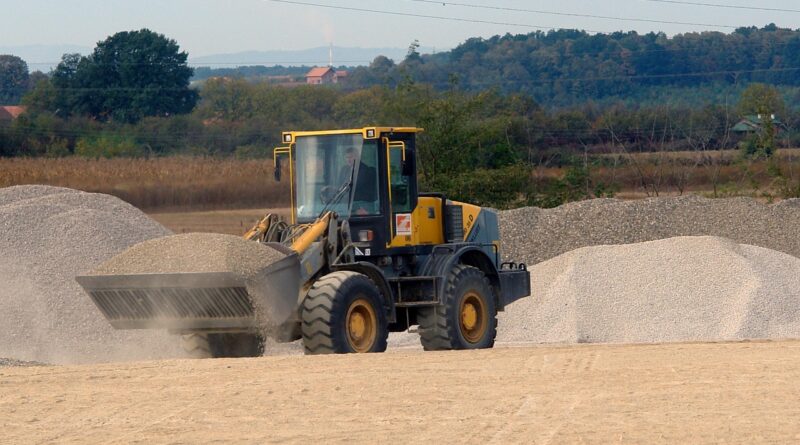
Wheel loaders, compact loaders, and skid steer loaders are built around repeat loading cycles. They handle aggregates, pallets, snow, waste, and site cleanup without much setup time. Check dump height, bucket rollback, visibility to the cutting edge, and tire choice. In a yard where trucks line up every morning, saving 20 seconds per cycle can change the whole day by the end of the week.
Dozers and Graders Build the Ground
Dozers cut, push, rip, and shape rough ground. Motor graders add accuracy for roads, pads, and drainage slopes. If your work includes road building or large pads, grade control can reduce rework and help a newer operator stay consistent. Even so, electronics do not replace a solid blade, tight linkage, and an operator who knows how the ground should look.
How Should You Compare Total Cost Instead of Price?
Purchase price is easy to see, so it often gets too much weight in the buying meeting. Total cost takes more work to calculate. It includes finance terms, fuel, maintenance, tires or tracks, wear parts, repairs, downtime, transport, insurance, operator skill, and resale value. A cheap machine can become expensive fast if it misses two key pours or stops a crushing line.
Owning Cost Is Only the Start
Caterpillar’s equipment cost guidance separates owning costs, such as purchase price, financing, taxes, and disposal value, from operating costs such as labor, fuel, maintenance, replacement items, tires, tracks, and overhead. That split is useful because it stops buyers from treating the invoice as the full cost. It also makes it easier to compare two machines that have different prices but different running costs. (cat.com)
Operating Cost Decides the Hourly Rate
Build a simple hourly cost model before signing. Use expected annual hours, fuel burn, planned service, filters, fluids, ground engaging tools, tires or track chains, and a realistic repair allowance. Then add downtime cost, because a stopped machine can hurt more than the repair invoice. If the machine feeds a plant, one lost shift may cost far more than the failed part. There is no reliable public dataset that gives one universal failure rate by brand, machine class, soil type, and operator skill, so local dealer history and your own service records still matter.
Resale Value Rewards the Right Specification
Resale value is not just luck. Common engine ratings, popular bucket sizes, clean service history, documented oil samples, and practical options can help a used machine sell faster. Odd configurations may fit one job well but make the next buyer hesitate. If you plan to export or resell across borders, check emissions tier, parts access, and language support in the display before you commit.
What Safety Risks Need Your Closest Attention?
Heavy machinery makes work faster, but it also puts high energy close to people on foot. Safety has to be built into traffic flow, blind spot control, lifting plans, maintenance work, and operator habits. A painted walkway helps, but a physical barrier is better when trucks reverse all day.
Struck By Events Need Physical Separation
The U.S. Bureau of Labor Statistics reported 1,937 fatal occupational injuries from transportation incidents in 2024, making them the largest fatal event group. The same 2024 data counted 756 fatal contact incidents, including 213 fatal cases involving running powered equipment and 75 cases where a worker was struck by rolling powered vehicle or machinery. These numbers are a direct reminder that traffic plans and exclusion zones are not just paperwork. They are part of the job planning that keeps people away from moving equipment. (bls.gov)
Visibility Depends on People and Planning
OSHA states that about 75% of construction struck-by fatalities involve heavy equipment such as trucks or cranes, and it warns against reversing with an obstructed rear view unless alarms or spotters are used. Good site practice includes one-way haul routes where possible, clear spotter signals, seat belts, working alarms, clean cameras, and no-phone zones around moving plant. These measures are simple, but they only work when supervisors and operators use them every shift. (osha.gov)
Maintenance Work Still Needs Lockout Discipline
Some of the worst incidents happen when a machine is stopped but stored energy is still present. Raised buckets, dump bodies, booms, suspended loads, hydraulic pressure, hot surfaces, and rolling wheels all need control. Lower attachments, block raised parts, chock wheels on grades, release pressure, and keep hands out of pinch zones. These steps are basic, but basic steps are often what prevent serious injuries.
Which Specs Matter Most Before You Buy?
Specifications should connect directly to real work. Bigger numbers can look attractive, but the best spec sheet is the one that fits the crew, the attachment, the ground, and the maintenance plan. Too much machine can waste fuel and damage finished surfaces. Too little machine can run hot, cycle slowly, and frustrate operators.
Power Must Match the Attachment
Engine power matters, but attachment fit often matters more. A hydraulic hammer, mulcher, cold planer, crusher bucket, or auger needs the right flow, pressure, cooling, and return line setup. Ask for the attachment chart, not only the horsepower figure. Also check whether the coupler, pins, and electrical controls match the tools you already own. See also: CNC Machining.
Hydraulics Decide Cycle Time
Hydraulic response affects digging speed, lifting control, and operator fatigue. Fast hydraulics are useful only when they stay smooth under load. During a test run, watch boom raise, bucket curl, swing braking, and combined movements. If the machine feels jerky when empty, it will not feel better with a full bucket near a trench box.
Undercarriage and Tires Follow the Ground
Tracks suit soft ground, slopes, demolition debris, and jobs that need low ground pressure. Tires suit yards, paved areas, faster travel, and lower surface damage when they are selected correctly. For tracked machines, ask about shoe width, chain life, roller protection, and cleaning access. For wheeled machines, compare radial tires, foam fill, tread pattern, and sidewall protection.
How Can Data and Maintenance Keep Machines Working?
A machine earns money when it works, not when it waits for a filter, a laptop, or a technician. Maintenance should be planned around hours, condition, and job timing. Digital tools help, but the daily walkaround still finds leaks, loose bolts, cracked teeth, damaged hoses, and plugged coolers before they become costly.
Daily Checks Catch Small Faults
Keep daily checks short enough that crews actually do them. Fluids, leaks, pins, hoses, lights, alarms, tires or tracks, bucket wear, mirrors, cameras, brakes, and fire extinguishers belong on the list. A five-minute inspection at 6:45 a.m. can prevent a three-hour stop at 10:30 a.m. when trucks are already lined up. That small routine is usually cheaper than emergency service.
Telematics Turns Hours into Decisions
Telematics can show idle time, fault codes, fuel use, location, service hours, and some operator behavior. Use the data for simple decisions first: reduce idle time, schedule service before a remote job, rotate machines with uneven hours, and move underused equipment. The point is not to build a nice dashboard. The point is to avoid surprises that stop work.
Parts Access Protects the Schedule
Before you buy, price common filters, cutting edges, teeth, hoses, sensors, glass, tires, and track parts. Ask what is stocked on the dealer shelf and what has to ship from another country. For imported equipment, this question is important. A low purchase price can lose its value if a $90 sensor keeps a machine parked for two weeks.
How Should Buyers Make the Final Decision?
The final decision should compare work fit, money, safety, support, and risk side by side. A simple scorecard can keep the loudest opinion in the room from deciding the purchase by itself. Give each machine a score for production, fuel, service, operator comfort, transport, parts supply, safety features, and resale path.
Demo the Machine in Real Conditions
A yard demo is useful, but a job site demo tells you more. Test the machine with the actual bucket, attachment, truck height, soil, slope, and operator. Time a few cycles, listen for strain, check visibility, and ask the operator what felt awkward. Operators often notice small problems before they show up in a manager’s report.
Check Dealer Support Before Signing
Dealer strength can matter as much as the brand. Ask about field service response, technician training, diagnostic tools, warranty process, loaner options, and parts fill rate. If two machines are close on price, the stronger local service network often wins in daily work. No crew wants a dead machine blocking a haul road.
Write the Spec Around the Job
Finish with a written spec that names the application, required attachments, service intervals, safety features, transport limits, emissions needs, documentation, and delivery timing. This keeps quotes easier to compare. It also helps suppliers offer the right machine instead of the machine they happen to have sitting in the yard. A clear spec saves time for both the buyer and the supplier.
FAQ
Q1: What Is the Most Important Factor When Choosing Heavy Duty Equipment? A: The most important factor is job fit. Match the machine to load, duty cycle, ground condition, access limits, attachments, and service support before comparing price.
Q2: Is New or Used Heavy Duty Equipment Better? A: New equipment gives warranty coverage, current features, and known history. Used equipment can reduce upfront cost, but you need service records, inspection reports, fluid checks, and parts availability.
Q3: How Do You Lower Heavy Equipment Operating Cost? A: Track fuel use, reduce idle time, follow service intervals, train operators, choose the right attachment, and fix small issues early. A clean cooler and sharp bucket teeth can make a real difference.
Q4: Which Safety Features Should You Look For? A: Look for seat belts, rollover protection, cameras, mirrors, alarms, lights, clear steps, handrails, guarding, emergency stops, and good visibility. Site traffic control still matters as much as machine features.
Q5: How Long Should Heavy Duty Equipment Last? A: Service life depends on machine type, hours, load, maintenance, operator skill, and environment. A well-kept machine in moderate work can stay productive for many years, while harsh quarry or demolition work shortens wear life.