
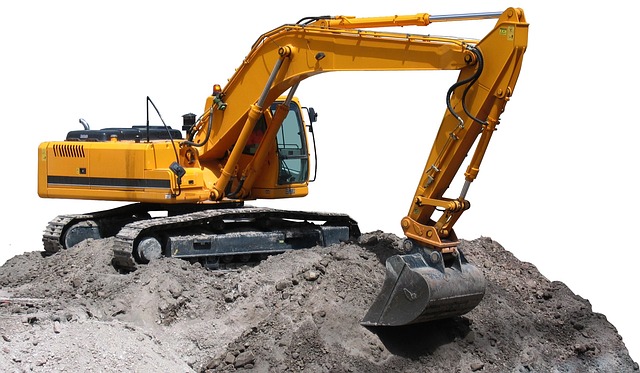
Is A Mini Excavator For Sale On Alibaba Worth The $12,000 Investment
Man Buys $12,000 Excavator From Alibaba Then Unboxes Something He’s Not Sure Whether He Can Fit In
A $12,000 mini excavator for sale on Alibaba sounds like an irresistible bargain until the crate arrives. Many buyers discover that what looks like a fully equipped compact machine online can turn into a logistical and technical puzzle upon delivery. The low price tag hides layers of complexity—from component quality to import duties—that can drastically change the real cost. For professionals evaluating such purchases, the key question isn’t just whether it digs but whether it delivers value and reliability over time.
Evaluating the $12,000 Mini Excavator Purchase From Alibaba
Online marketplaces have redefined how construction firms and independent contractors source machinery. Yet the convenience comes with trade-offs that require careful scrutiny before committing funds.
Understanding the Appeal of Online Heavy Equipment Purchases
Global e-commerce platforms have opened direct channels between manufacturers and end users. Buyers searching for a mini excavator for sale often see Alibaba listings promising factory-direct prices that undercut local dealers by 30–50 percent. Competitive pricing, customization options, and quick quoting attract cost-conscious professionals. However, these advantages are counterbalanced by uncertainty in build quality, specification accuracy, and after-sales service—a combination that makes due diligence essential.
The Context Behind the $12,000 Price Tag
At roughly $12,000, these compact excavators fall into the entry-level segment of heavy equipment. The difference between this price and that of established brands—often $25,000 or more—usually stems from material sourcing, engine licensing fees, and assembly automation levels. Shipping costs can add several thousand dollars depending on route and container type. Import duties vary by jurisdiction but typically range from 5 to 20 percent of declared value. When factoring in customs clearance and inland transport, total landed cost may approach or exceed mid-tier domestic alternatives.
Technical Assessment of Mini Excavators Sold on Alibaba
Evaluating technical specifications is critical since many listings use generalized templates rather than verified data sheets.
Core Specifications to Review Before Purchase
Engine type defines both power output and compliance with emission standards such as EPA Tier 4 or EU Stage V. Machines using unlicensed engines may fail local inspection requirements. Hydraulic system performance dictates digging force; poor hose fittings or inconsistent pump calibration often lead to jerky motion under load. Frame design also matters: thinner steel sections reduce weight but compromise structural longevity when operated on rocky terrain.
Comparing Alibaba Models to Established Brands
Benchmarking against recognized names like Kubota or Bobcat reveals where compromises occur—typically in component tolerances, control ergonomics, and noise isolation. Warranty coverage is another differentiator; while premium brands offer two years or more with nationwide service networks, many Alibaba suppliers limit coverage to six months parts-only support. Component interchangeability is also vital since proprietary fittings complicate maintenance once imported.
Quality Control and Verification Challenges in Online Machinery Purchases
Even experienced buyers face hurdles confirming whether listed specifications reflect actual production standards.
The Importance of Pre-Purchase Verification
Supplier certification under ISO 9001 or CE marking provides baseline assurance of manufacturing consistency. Requesting factory inspection videos or engaging third-party auditors helps verify assembly conditions before shipment. Clear written confirmation of model numbers, engine make, and hydraulic pump brand prevents costly misunderstandings later during customs inspection or warranty claims.
Risks Associated With Inconsistent Manufacturing Standards
Variation in welding quality or subassembly alignment can lead to premature mechanical failure within months of operation. Non-standardized components—especially seals and bearings—create maintenance headaches when replacements are unavailable locally. Delays in sourcing spares internationally inflate downtime costs far beyond initial savings from purchase price reduction.
Logistics and Import Considerations for Heavy Equipment Buyers
The financial equation changes further once freight logistics enter the picture.
Shipping Procedures and Hidden Costs
Freight options include Less-than-Container Load (LCL) for single units or Full Container Load (FCL) for bulk orders. LCL shipments expose equipment to multiple handling stages increasing risk of minor damage during transit. Customs brokers charge processing fees while port storage penalties accrue if documentation errors delay clearance. Comprehensive marine insurance mitigates losses from accidental impact or water ingress during ocean crossing.
Post-Arrival Setup and Compliance Requirements
Upon arrival, machines may need adaptation to meet local safety codes such as fitting certified rollover protection structures (ROPS). Some models ship partially disassembled; missing bolts or hoses can delay commissioning unless spares were preordered. Emission labeling must align with national environmental regulations before registration for commercial use.
Assessing Operational Performance After Delivery
Once assembled on site, operational testing determines whether the excavator performs as advertised.
Initial Inspection and Testing Protocols
Inspectors should confirm serial numbers match invoice records then examine weld seams for cracks or paint overspray hiding defects. Hydraulic systems should be pressure-tested under load while monitoring for leaks at cylinder joints. Control calibration fine-tunes response speed ensuring safe operation around utilities or confined spaces.
Identifying Common Issues Reported by Buyers of Imported Excavators
Frequent complaints include misaligned booms caused by shipping vibration loosening pivot bolts. Wiring harness inconsistencies sometimes trigger intermittent power loss to joystick controls. Moreover, measured horsepower occasionally falls short of stated ratings because smaller engines are rebranded with inflated figures—a practice not uncommon among unverified exporters.
Financial Analysis: Is the $12,000 Investment Justified?
The financial logic behind buying cheap heavy machinery only holds if long-term costs remain manageable.
Calculating Total Cost of Ownership (TCO)
True ownership cost includes not only purchase price but shipping fees, import taxes, periodic servicing, and spare part procurement delays. Depreciation tends to accelerate faster than branded models since resale markets discount lesser-known names heavily after three years of use. Extended downtime waiting for overseas parts further erodes profitability on active job sites.
Evaluating Return on Investment (ROI) Potential
ROI depends largely on utilization rate: a contractor using the excavator daily might recover its cost within a year if uptime remains high. However, inconsistent reliability quickly offsets initial savings through repair expenses or project delays requiring rental substitutes. For small operators doing occasional landscaping work, lower upfront cost may still make sense despite higher maintenance frequency.
Strategic Recommendations for Industry Professionals Considering Alibaba Machinery Purchases
Procurement specialists can mitigate risk through structured vetting processes rather than relying solely on listing photos or sales promises.
Due Diligence Practices for Equipment Procurement Teams
Checking supplier trade history via platform verification tools helps identify consistent exporters with documented shipment records exceeding three years. Requesting detailed technical manuals before payment clarifies component sourcing transparency. Using escrow-based payment systems protects funds until inspection confirms conformity with agreed specifications.
Building Long-Term Supplier Relationships for Better Value
Repeat transactions encourage suppliers to maintain consistent quality levels knowing future orders depend on satisfaction metrics. Negotiating annual service agreements secures access to spare parts at fixed pricing tiers while improving communication channels for technical support inquiries across time zones.
FAQ
Q1: What should buyers verify first when purchasing a mini excavator online?
A: Confirm engine brand authenticity and emission compliance certificates before making any payment commitment.
Q2: How much do shipping and import charges usually add?
A: They typically increase total cost by 15–30 percent depending on distance and customs tariffs applied at destination ports.
Q3: Are Alibaba mini excavators suitable for professional construction work?
A: Some models perform adequately for light-duty tasks but rarely match premium brand durability under continuous commercial use.
Q4: What warranty coverage is common among online-sourced machines?
A: Most offer six months limited parts replacement without labor reimbursement unless extended contracts are negotiated separately.
Q5: How can downtime risks be minimized after import?
A: Stocking critical spares like hydraulic seals locally and establishing contact with regional mechanics familiar with similar models reduces operational interruptions significantly.