
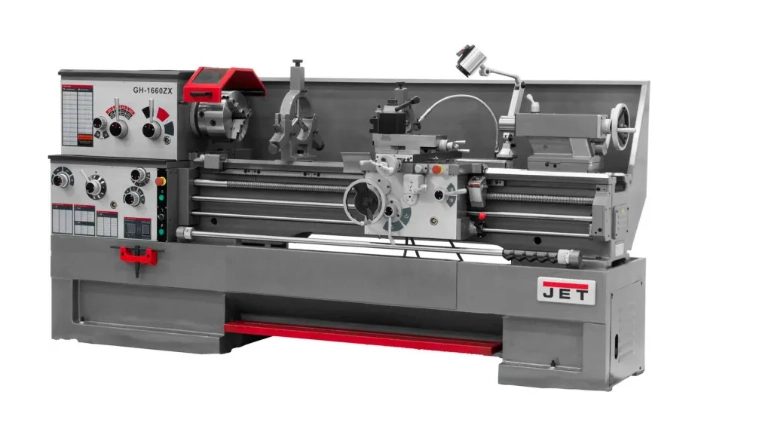
Haas vs Mazak Comparison Which CNC Machine Delivers Better Precision
Overview of Haas and Mazak CNC Machines
People often pick between Haas and Mazak machines based on what their shop needs most. Both companies have made a big mark in the CNC world, but they do it in different styles. Haas stands out for its low prices and easy handling. Mazak pushes for top-notch new ideas and automatic setups. This Haas vs Mazak look helps you see which one matches your business aims.
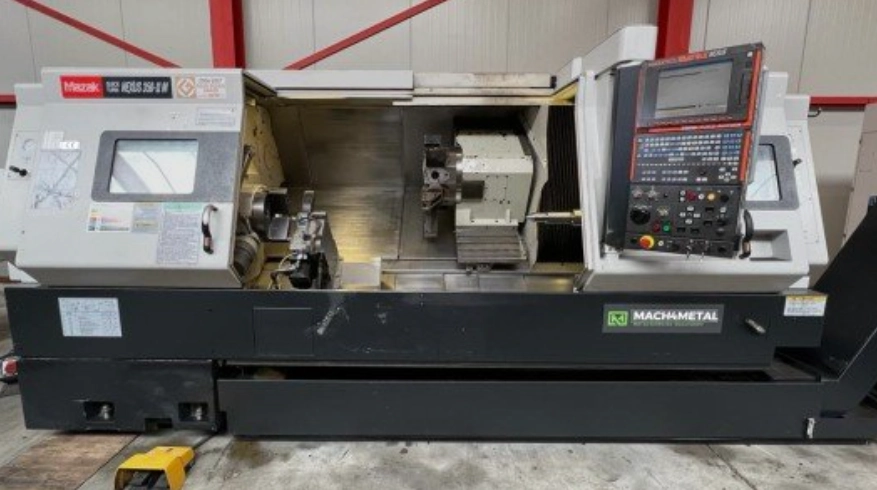
Brand Heritage and Manufacturing Philosophy
Haas Automation started in California. It earned its name through cheap prices and simple operation. The firm’s main idea centers on giving exact machining to small and medium shops. Its control setups feel natural, which cuts down the time new operators need to learn. I’ve seen shops where fresh workers jump in quick because of this.
Mazak comes from Japan. It links to strong engineering and steady new developments. The company puts advanced automatic work and multi-task tech into its gear. Its building approach targets fast-running machining for tricky shapes and close fits. If cutting time down and joining steps together is key for you, Mazak often wins out. Think about a factory churning out parts non-stop; that’s where it shines.
Market Positioning and Core User Base
Haas holds a solid spot with job shops that value cheap exact work over wild complexity. Its range draws in folks who seek steady outcomes without big money spent upfront. The plain build means Haas gear shows up in schools too. For example, many training centers use them for hands-on classes.
Mazak aims at skilled makers—ones handling plane parts, health tools, or big car runs—where automatic work and many-axis skills matter a lot. Its place in the market gives more setup choices, from 5-axis uprights to full-turn spots with robot links. This split in aims affects help networks as well. Haas gives close support all over North America. Mazak covers the world via its tech spots.
Machine Design and Build Quality
The way machines are put together shows the biggest gaps between these two makers. You spot it right away in how stiff they are, how they handle shakes, or how spindles work—all things that touch exactness as time goes on. In my view, build quality can make or break a long job.
Construction Materials and Rigidity
Haas often picks cast iron bodies for steady hold without jacking up the bill. These cast parts give a firm ground for everyday cutting tasks. But they might falter under huge push forces or fast milling setups. It’s like using a sturdy truck for city drives—fine most days, but not for rough trails.
Mazak uses mixed builds with cast iron plus polymer concrete or blend stuff to cut down on shakes. This pick boosts finish quality in hard cuts or with tough metals like titanium. In real work, more stiffness means better size exactness over long runs. Shops doing daily heavy work swear by this edge.
Spindle Technology and Drive Systems
Haas spindles stress steady work via straight-drive setups that keep mechanical parts basic. They do well on usual stuff like aluminum or soft steel. Yet they hit walls when super-fast finishing calls. For standard jobs, though, they’re rock-solid.
Mazak offers a wider set of spindles—from high-power ones for tough cuts to super-fast types over 30,000 rpm. These keep even power flow with smart drive tech that handles heat spread well. For longer tool life and better surface strength, Mazak’s spindle work takes the lead. Imagine machining a batch of 500 parts; the difference shows in the end results.
Control Systems and Software Integration
The control programs shape how well workers turn plans into real machined items. Here’s a key split between Haas’s friendly style and Mazak’s high-tech setup. Both get the job done, but one feels like a simple tool, the other like a smart system.
Haas CNC Control Features
The Haas Next Generation Control (NGC) system aims for ease without losing power. Workers can set programs right on the machine with known G-code ways or picture screens that make ready steps simple. Inner checks watch care times and send now warnings if work slips—a handy tool that cuts stop time in small spots.
Link choices like Ethernet or USB allow basic data moves. But they stay a bit narrow next to top smart factory setups. Still, for basic needs, it covers the bases nicely.
Mazak Smooth Technology Platform
Mazak’s SmoothX and SmoothG controls rank among the best move systems out there. Their math for paths smooths axis shifts so well that tool lines look smooth even at quick speeds. These controls back multi-task jobs—turning, milling, drilling—in one go.
Linking with CAD/CAM programs happens with little hassle. It allows live info swaps for Industry 4.0 spots where guess-work on fixes guides care choices before breaks hit. It’s like having a watchful eye on your whole line.
Performance in Precision Machining Applications
When you stack Haas vs Mazak work stats, you’re balancing steady output against top exactness in tough spots. Real-world tests, like those in auto plants, highlight these points clearly.
Dimensional Accuracy Under Load Conditions
Haas keeps fair fit levels for everyday parts under normal push. However, in long hard cuts or heat changes, tiny shifts might pop up from body flex. It’s good for most, but watch for heavy days.
Mazak gear shows great repeat even under moving pushes. This comes from stiff builds and exact back loops in servo drives. Heat fix systems auto-tune axis spots to fight growth from warmth—a must for plane-level items where tiny exactness counts. Numbers from tests show deviations under 5 microns often.
Surface Finish Quality Across Materials
With right tool setups, Haas gives great finishes on soft stuff like aluminum or plastics. It’s perfect for test builds or light runs where quick work beats total flawlessness. Many prototype shops rely on this daily.
Mazak excels with hard steels or special metals at fast spindle turns. Its shake control keeps surface strength even in thin finish passes at high feeds—hard to match on cheap setups. For instance, in medical gear making, this leads to smoother results right off the machine.
Automation Capabilities and Productivity Enhancements
Automatic work sets today’s making edge, hitting output speed more than anything else now. Both brands step up here, but in ways that fit their crowds.
Integration of Robotics and Pallet Systems
Haas sells add-on auto kits like robot loaders or pallet switchers for new users seeking step-by-step output boosts without hard link jobs.
Mazak’s built-in auto cells push more—they mix robot grabs with auto part checks for non-stop runs over shifts. In spots with lots of mix where ready times shift often, this growth can tip the scales on output. Picture a night shift running smooth; that’s the goal.
Tool Management and Changeover Efficiency
Haas auto tool switchers work plain but good, often capped at small holder sizes for quick jobs.
Mazak fits many with big holder spots for hundreds of tools plus smart track systems that watch wear on their own. This lets long no-watch cutting times while cutting wait between steps. In high-volume spots, it saves hours weekly.
Cost Efficiency and Total Cost of Ownership Considerations
Cost goes beyond buy price—it’s about value you keep over years against care work and sell-back chance. Shops I’ve talked to often weigh this heavy.
Initial Investment vs Long-Term Value Retention
Haas gives a nice start for new shops or tight-budget places. The low start spend lets quicker pay-back if output stays fair-sized.
Mazak costs more at first but keeps worth longer from tough builds and steady program updates that hold them fresh years in. Drop rates slow because they stay in play over tech waves. Over 10 years, the math often evens out.
Maintenance Requirements and Service Support Networks
Help reach shapes up-time steadiness. Haas gains from wide home service hubs in North America with fast part swaps—a real win when deadlines loom.
Mazak keeps a broad world net with special tech aid via area tech centers stocked with extra parts and pros trained on each line series. Global ops love this backup.
Suitability for Different Manufacturing Environments
Varied shop kinds need varied machine traits; right match skips pricey wrong picks down the road. It’s all about fit for your daily grind.
Job Shops with Diverse Production Needs
For small lots where ready shifts daily, Haas brings bend with quick program tweaks and low ready time needs. It fits places cutting mixed stuff without full auto builds.
Mazak suits better where mixed stuff hits tricky shapes needing same-time many-axis rule—for example, health inserts or fan blades calling for tiny repeat levels. Complex work? It’s built for that.
High-Tolerance or Aerospace Component Production
Plane making tests machine tools hard on spot exactness and heat hold. Mazak’s top move setups with now-back sensors make it great here; it hits plane standards steady even in long cycles at wild speeds.
Haas handles fair plane parts well with exact tool plans like even cutters or adjust-feed program adds via its NGC setup—but it fits best for side tasks, not main flight-key cuts. Pair it right, and it delivers.
Future Trends Influencing CNC Machine Selection?
Ahead, both firms move to wiser factories pushed by link-up and green worries guiding buys around the globe. Change comes fast in this field.
Digitalization and Smart Manufacturing Integration
Haas and Mazak both add IoT-ready bits now. They let far-off checks of spindle loads, shake marks, or lube state via web boards you grab on phones. Guess stats from this info aid plan care before fails hit—cutting surprise stops big in linked spots. It’s like giving your machines a voice.
Sustainability Considerations in CNC Operations
Power save turns must-do as electric bills climb world-wide. Fresh servo drives from both use less juice yet hold power steadiness in quick speed-up times. Plus, coolant re-use setups cut fluid throw-out a lot without hurting chip clear work—a small but real move to greener cut floors every place. With rising costs, this saves real money too.
FAQ
Q1: Which brand offers better value for small job shops?
A: Haas usually gives better worth from its low start cost, easy controls, and fast ready skills right for bendy job shop spots.
Q2: Is Mazak worth the higher price?
A: Yes, if your work needs fast many-axis cutting or steady auto output; Mazak’s tough build pays back its high tag over time with less stop and better work length.
Q3: How do the control systems differ?
A: Haas NGC stresses simple use with plain programming while Mazak Smooth Technology gives top move rule for tricky same-time jobs over many axes.
Q4: Which machine performs better under heavy load?
A: Mazak shows higher body strength for better size exactness under long cut pushes versus Haas models set for mid-duty work.
Q5: Are both brands adopting smart factory technologies?
A: Both add IoT links for far-off checks; but Mazak edges front by building guess stats right into its SmoothX setup backing full Industry 4.0 match.