
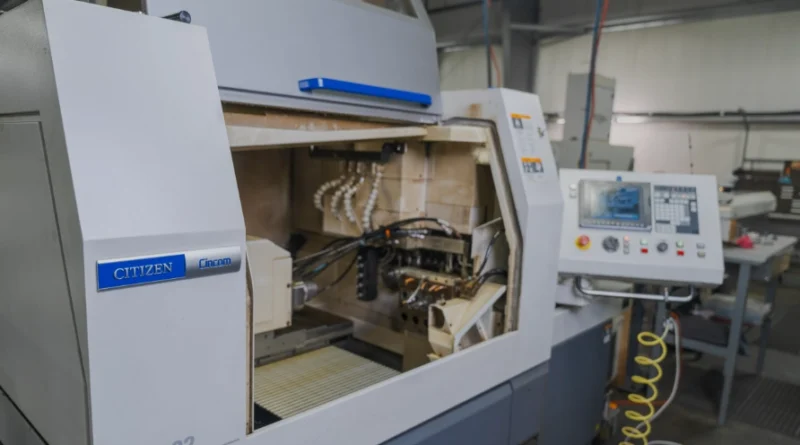
Why CNC Operator Training Determines The Quality Of Modern Machining Output
The Strategic Importance of CNC Operator Training in Advanced Manufacturing
Advanced manufacturing relies on close teamwork between digital plans and real-world making. In this setup, CNC operator training goes beyond basic skills. It acts as a smart long-term choice. Automation and data-based methods are changing the field. Skilled workers form the core of smooth operations. Their choices affect product precision and workflow speed. I recall a shop where untrained staff caused endless delays, but after training, things turned around quickly.
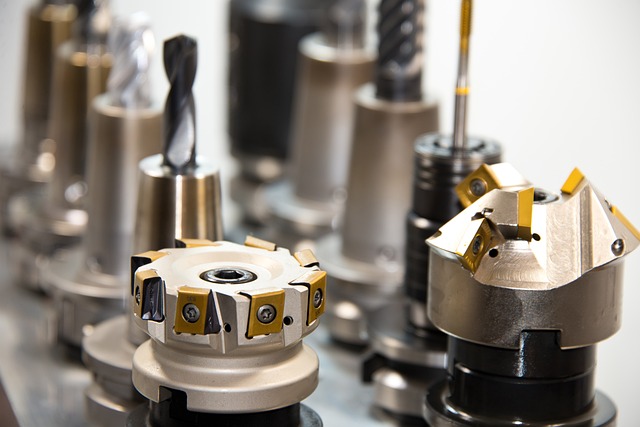
The Role of CNC Operators in Modern Production Systems
CNC operators hold a key spot in today’s making setups. They turn digital drawings into solid pieces. They link computer-aided design to machine work. This ensures every slice, shape, and finish hits the right marks. In many plants, their careful work shapes output levels and run times. When they keep a firm hold on the process, they help lean making aims. They cut down on waste and fixes. Plus, their views add to ongoing betterment efforts. These efforts polish routines and lift machine performance.
The Role of CNC Operators in Modern Production Systems
CNC operators fill the space between digital plans and hands-on building. They do this with steady setup and watchful checks. Their knowledge of how machines act lets them spot issues early. This stops flaws before they happen. For instance, take an operator tweaking tool positions in a multi-axis milling task. They can avoid size mistakes that would scrap parts otherwise. Good workers team up with engineers too. They adjust programs for quicker output. This strengthens the tie between hands-on skill and tech tools.
Why Training is a Strategic Investment for Manufacturers?
CNC operator training offers more than just picking up skills. It serves as a lasting plan for better output and edge in the market. Companies that focus on organized learning notice clear gains in machine uptime, product standards, and flexibility. A well-taught team handles tough machines with ease. This cuts the need for outside experts. In one case, a factory saw their repair calls drop by half after a simple training push.
Comprehensive Training Reduces Downtime and Scrap
Each lost minute on a machine hits the bottom line. Solid training arms workers to spot alert signals fast and handle daily upkeep without risks. When people learn to set tools right or adjust control settings properly, they avoid pricey stops. Hands-on lessons about cutting setups also lower scrap by boosting right-first-time success. Think about a busy line where quick fixes keep things moving— that’s the real win.
Enabling Faster Adoption of Advanced Technologies
As fresh machining units add auto features or smart controls, trained hands speed up the switch. They grasp software changes or screen shifts without long adjustment periods. This quick shift aids moves to clever making spaces. There, being able to change on the fly marks true progress. It’s not always smooth, but training makes it doable.
Supporting Compliance with Standards and Safety Regulations
Training builds stronger ties to ISO quality rules and OSHA safety steps. Workers pick up right lockout-tagout steps, gear needs, and record-keeping habits. These are vital for keeping approvals and stopping mishaps. One small oversight can lead to big troubles, so this part of training feels extra important.
Core Competencies in CNC Operator Training
A strong CNC operator training setup grows real know-how in several areas. These include machine skills, size checks, basic computer use, and step reviews. Each part supports the rest. This creates full-skilled folks ready for tight-tolerance jobs. Over time, these skills blend into everyday work, making the whole team sharper.
Technical Knowledge and Machine Proficiency
Workers need to grasp G-code and M-code basics, plus how machine parts move like spindle turns or feed adjustments. Knowing multi-axis setups widens their range across lathes, mills, or mixed machines. Past coding, setting up holders and checking alignments guarantees steady starts. This is the base for reliable results every time.
Measurement, Quality, and Process Control Skills
Spot-on measuring sets the bar for quality checks right on the floor. Operators often grab micrometers, calipers, height tools, or coordinate measuring machines to verify tight fits down to tiny units. Stats-based process checks track shifts in patterns. This lets tweaks happen ahead of problems. Digging into root causes hones fix-it skills when things go off track. In practice, I’ve seen this turn a messy run into a smooth one with just a few checks.
Digital Literacy and Data Interpretation
Today’s CNC spots depend on linked digital setups. These tie CAD/CAM tools to live watch systems. Operators scan 3D views from CAM setups to build run-ready codes. They use digital twin tests for pre-checks. This cuts test runs on costly stuff like titanium blends. Sensor data from IoT gear aids ahead-of-time upkeep by spotting odd signs before breakdowns. It’s like having a watchful eye that never sleeps.
Structuring an Effective CNC Operator Training Program
Building a working training plan means ordering steps in a clear way. It starts from core safety to higher tweaks. Each bit rests on what came before. This build-up helps skills stick better than random lessons.
Sequencing Learning Stages for Skill Development
Foundational Stage: Safety and Basic Machine Operations
In this starting point, you stress key safety guidelines tied to OSHA rules. Think right use of protective gear, stop-in-emergency steps, and fire guards near fluid systems. New folks get comfy with control boards, tool swaps, move limits on axes, and simple hand controls. All this happens before any auto cycle kicks off. Skipping this can lead to avoidable slips, as many shops learn the hard way.
Intermediate Stage: Programming and Setup Mastery
After basics feel solid, students move to part coding with CAM tools like Mastercam or Fusion 360. They try holder design ideas. These pick grip ways that hold pieces firm without bends. They polish securing methods for steady batches. Practice makes these steps second nature over a few weeks.
Advanced Stage: Process Optimization and Automation Integration
Later classes dive into adjusting feeds and speeds for varied stuff or tool shapes. The goal is to match run speed with finish quality. Meeting robotic arms or tray swaps teaches auto blending into normal days. This way, workers handle group machine areas with less hassle. Real-world tweaks, like slowing for a tricky alloy, show up here and add practical flavor.
Shop-Specific Curriculum Design for CNC Operator Training
Off-the-shelf training rarely matches every workplace. Tailoring the plan fits your site’s stuff, machine types, or flow styles perfectly. This keeps lessons fresh and useful, not just book stuff.
Customizing Curriculum Based on Production Requirements
Say your place focuses on plane parts from tough titanium over soft aluminum shapes. Then the class should cover force handling and fluid plans for hard goods. Lessons must match your control types too. Fanuc and Siemens screens vary a lot. Plus, weave in your own quality steps used daily. This setup makes training hit home right away.
Blending Classroom Instruction with On-the-Floor Learning
Good mixes pair talk sessions with real-floor time under guide eyes. Mock labs give safe spots to test code changes before live machines. This avoids tool wrecks and grows trust. In active runs, guides give spot-on tips from clear goals like shorter setup clocks or less waste counts. Over months, this blend turns rookies into pros, with stories from the floor adding color.
Integrating Emerging Technologies into CNC Operator Education
Tech shifts call for steady updates in CNC operator training plans. This keeps grads useful as Industry 4.0 rolls out. It’s exciting, but keeping up takes real effort from everyone involved.
The Role of Industry 4.0 Tools in Operator Training Programs
Augmented reality glasses now lead newbies through setup steps. They layer visual guides over actual gear. Studies show this cuts mistakes in tough switches. IoT screens show live spindle stress or shake info for tracking. Cloud lessons let off-shift study without halting work. These tools make learning quicker, though nothing beats hands-on feel.
Preparing Operators for Smart Manufacturing Environments
Clever plants need smooth links between CNC gear, bots, belts, and watchers. All chat via networks like OPC UA or MTConnect. Classes cover link basics and security smarts. Connected machines risk hacks if not watched. Building change skills matters too. Workers gain sureness in tweaking flows when auto settings shift in mixed team setups. In one factory I heard about, this prep saved them from a major glitch.
Measuring the Impact of CNC Operator Training on Manufacturing Performance?
Checking CNC operator training success uses hard numbers, not just guesses on growth. This clear view helps justify the time and cost put in.
Key Performance Indicators for Evaluating Training Effectiveness
After checks show setup times down by around 30 percent often. Scrap drops from better first-try hits. Fewer fixes per group lift machine scores overall. Watching how long staff stays points to better spirits too. They like clear growth paths backed by learning spends. Numbers like these, from real runs, paint the full picture.
Continuous Improvement Through Ongoing Skill Enhancement
Growth keeps going past certs. Regular checks with new tech intros stay current. Switching skills between mills and lathes adds bend. This stops line halts from staff shortfalls. Boss input shapes plan tweaks always. It keeps classes grounded in daily needs, not far-off ideas. Over years, this loop builds a tougher team, one step at a time.
FAQ
Q1: What is the main purpose of cnc operator training?
A: It aims to equip operators with both technical competence and analytical thinking required for precision machining within advanced manufacturing systems.
Q2: How long does it typically take to train a competent CNC operator?
A: Depending on complexity levels—from basic operation through advanced optimization—it may range from several weeks for entry-level roles up to six months including hands-on mentorship phases.
Q3: Can simulation software replace live machine practice?
A: Simulations are excellent supplements but cannot fully replicate tactile aspects like tool vibration response; combining both delivers best results.
Q4: Why should training include cybersecurity topics?
A: Because modern CNCs connect via industrial networks vulnerable to unauthorized access which could disrupt operations if security isn’t addressed early in education programs.
Q5: How do manufacturers measure ROI from cnc operator training?
A: Common indicators include reduced downtime hours per quarter, lower defect ratios per thousand parts produced, faster program changeovers—and ultimately improved profitability margins across departments.