
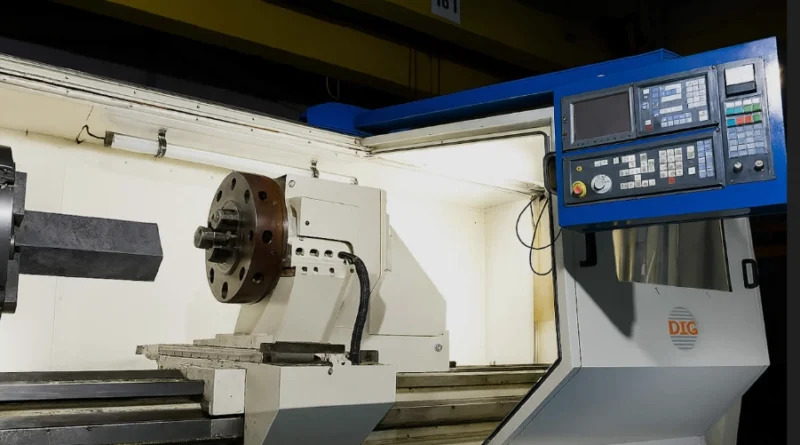
Are Affordable CNC Machines Truly Viable for Precision Manufacturing
Understanding the Landscape of Affordable CNC Machines
Affordable CNC machines have changed how small shops handle precise manufacturing. They connect manual machining with top-level automation. This gives a real way for businesses that can’t afford big industrial setups. But being cheap doesn’t only mean a small price. It brings compromises in how well it works, how it’s built, and how long it lasts. Every shop owner needs to think about these points closely.
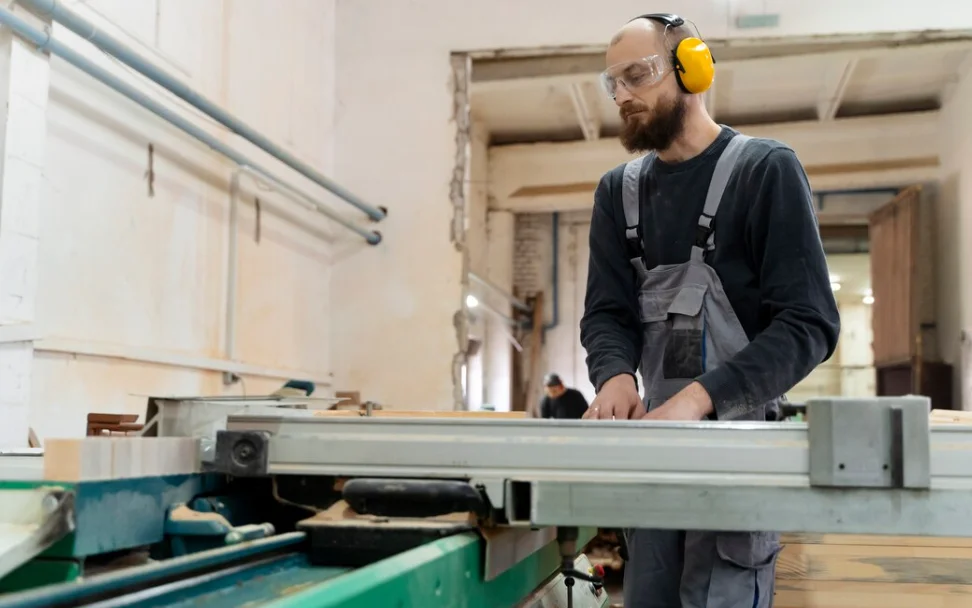
Defining Affordability in CNC Technology
In the current market, an “affordable” CNC machine usually costs between $2,000 and $15,000. Some basic desktop models go for less than $1,000. Basic systems often have light frames and small work areas. Mid-range ones add stronger builds and better software links. Industrial types cost much more. They give top precision and steady work time. Trends in the market show that cheaper parts and worldwide rivalry are lowering prices bit by bit. This makes better features open to small operations. Those groups couldn’t keep up with tech before. For example, a small woodworker might now cut custom signs without breaking the bank.
The Evolution of Low-Cost CNC Solutions
CNC technology became open to more people over time, not all at once. Better control for stepper motors, tiny controllers like Arduino, and free firmware such as GRBL cut down on building costs a lot. Free software groups also pushed new ideas from the community. Users share changes and updates without charge. This cuts the need for closed systems from companies. Supply chains around the world helped too. Parts that came only from big suppliers now get made in big numbers in Asia. They cost way less than before. All this mixing of tech and easy reach has turned cheap CNC machines into useful tools. They work for hobby folks and real fabricators. It’s interesting how a garage tinkerer can now make parts that look pro.
Evaluating Precision and Performance in Affordable CNC Machines
Precision sets cheap machines apart from heavy-duty ones. Being affordable lets shops try things out and make test pieces. But it can limit you when you need tight fits or lots of output.
Mechanical Design and Build Quality Considerations
A machine’s strength affects how well it holds exact sizes when under pressure. Cheap CNC machines often use aluminum or plastic frames. These can bend under cutting push, unlike heavy iron or steel ones. Ways to move linearly differ a bunch. Lead screws show up in low-price designs because they’re simple. But they get sloppy with backlash as time goes on. Ball screws move smoother. Yet they make the price jump up. How the frame is put together, like with bolts or welds, changes how it handles shakes. Even small shakes can lead to rough surfaces or size shifts in long jobs. In my experience watching shops, a shaky frame once ruined a whole batch of phone cases.
Control Systems and Software Integration
Low-budget machines often use free control setups. These differ from the closed ones in big systems. This ease of change is good. But it might add delays or small mistakes in tricky paths. How accurate the feedback is depends on encoders or loops in steppers. Many cheap controllers skip closed-loop feedback to save money. Links with main design software like Fusion 360 or SolidWorks CAM are getting better fast. Users can fit these systems into work flows without big hassles. It’s handy for a one-person shop to pull designs from free tools.
Repeatability and Tolerance Capabilities
Most cheap CNC routers or mills hit steady results within ±0.05 mm to ±0.1 mm. That’s fine for wood, plastics, or soft aluminum work. But it’s not enough for super exact jobs like in planes. The spindle’s quality matters a ton here. Low-end spindles can wobble more as they wear. This hurts the smooth finish and how long tools last. Heat control is tricky too. Light frames grow more with warmth from long runs. This shifts sizes a little but steady over time. For small shops making test parts or special holders, these limits work if you check and set things right. Plus, keep the room steady. One shop I know uses fans to cool things and avoids errors that way.
Economic Viability for Small Manufacturing Shops
For small makers watching money and goals, cheap CNC machines bring chances and risks. The choice boils down to how often it runs. And how much stop time you can handle when issues pop up.
Cost-Benefit Analysis of Affordable CNC Machines
The small starting cost draws people in. Put $5,000 on a good desktop mill, not $50,000 on a big one. This leaves money for supplies or workers. But fixing costs can eat those savings if parts break soon. Or if you need repairs often. New spindles or bearings might run hundreds a year based on how hard you push it. Output speeds vary too. A basic machine might take two times longer per piece than a pro one. But its bend for quick jobs makes up for it when speed isn’t key to making money. Think of a custom bike part maker—slow but flexible wins.
Return on Investment (ROI) Factors for Small Operations
Payback hinges on how much you use it and job details. A little shop making special brackets might get money back in six months if it runs smooth. Special jobs like etching plates or working composites fit cheap gear well. Precision needs are low compared to what you sell for. But using basic stuff has dangers. Tech moves fast, so old parts might not get support after a few years. You could end up with junk electronics or old software. To handle this, look ahead at growth. Don’t just chase cheap now. A friend in metal work started small and scaled up without regrets.
Practical Applications Where Affordable CNC Machines Excel
Cheap CNC machines do great in certain spots. There, being able to switch tasks beats high speed or super exact needs.
Prototyping and Short Production Runs
Quick test making gains a lot from low-cost setups. You change designs fast without using pricey main machines for money jobs. Make ten test pieces overnight. Skip sending them out. This cuts wait time and ship fees. It keeps your ideas safe at home. For instance, a startup testing gadget shells saves thousands this way.
Educational and Training Environments
Tech schools use cheap CNC more now. They teach basic coding and G-code rules without harming big tools. These give hands-on lessons key for training. But teachers note that exact levels differ from store-bought ones. Students learn real limits early.
Hobbyist and Maker Market Applications
The maker crowd loves easy reach. Cheap CNC machines fit that by letting people build boxes, machine bits, or even art from home or group spots. Some hobbyists add better spindles or controls to get near pro results. They keep costs low. It’s cool how one guy turned his router into a mini factory for drone parts.
Limitations That Affect Long-Term Precision Manufacturing Viability
Cheap machines have strong points in bend and low cost. But they struggle to keep high exact output over long stretches.
Wear, Durability, and Component Lifespan Issues
Parts tire out quicker with basic metals or bearings in move systems. Spindle bearings might break after a few hundred hours of tough cutting. This leads to shaky marks on ends.
Calibration Drift and Maintenance Challenges
You need to reset often as slack builds in lead screws. Or heat changes line up over axes with time. Skip checks, and slips speed up. Lube times are shorter than for big gear anyway.
Process Consistency Under Production Loads
Non-stop work makes heat that grows bridge parts a bit. This tweaks paths in the middle of a job. It’s worse if room temps swing in shops without cool control. This causes small size changes in same parts made one after another. A workshop without AC once saw 0.2 mm drifts on metal tabs.
Strategies to Enhance the Performance of Affordable CNC Machines
Simple changes can boost results if you plan them out. Don’t wait for breaks to fix things.
Upgrading Components for Improved Accuracy
Mechanical Enhancements
Swap old guides for better linear ones on axes. This cuts rub changes. It helps steady work, especially in twist jobs where paths turn quick on curves.
Electronic Enhancements
Add servo controllers for move. They bring feedback that fixes spot errors on the fly. This tightens fit ranges to match mid-level gear.
Implementing Rigorous Quality Control Practices
Environmental Controls
Keep shop steady by blocking shake from things like air pumps. Watch temp shifts too. This boosts even runs, key for long paths needing no stops.
Preventive Maintenance Schedules
Keep records of checks to spot wear early. This saves run time and stretches life. You get steady batches every time. One tip from old-timers: check belts monthly.
Balancing Cost Efficiency with Manufacturing Precision Goals
Picking cheap CNC means matching what you hope for with what you can get. Don’t go after specs that don’t fit your real tasks.
Decision Framework for Selecting Affordable CNC Equipment
Pick based on strength, work space, control fit, help options, and real exact data. Sometimes, send out super tight parts. It’s cheaper than pushing cheap tools too hard and wasting on bad pieces.
Long-Term Perspective on Technology Scalability
Basic gear acts as a start to full auto. Shops learn coding before buying fancy multi-way centers. Do this when customers need more. It’s a slow build that mixes smart money with skill growth. This keeps you in the game for special areas. Over time, many shops find this path leads to steady wins, even if it starts bumpy.
FAQ
Q1: What defines an affordable CNC machine?
A: Typically any system priced below $15,000 offering computer-controlled milling cutting routing capabilities suitable for light manufacturing prototyping education or hobby use qualifies as affordable compared with industrial models costing several times more.
Q2: How precise are low-cost CNC routers?
A: Most achieve repeatability around ±0.05–0.1 mm sufficient for wood plastics soft metals though inadequate where aerospace-grade tolerances below ±0.01 mm are required.
Q3: Can affordable cnc machines handle continuous production?
A: They can run small batches reliably but prolonged duty cycles accelerate wear demanding frequent recalibration thus better suited toward intermittent workloads rather than nonstop shifts.
Q4: What upgrades improve accuracy most effectively?
A: Swapping lead screws for ball screws upgrading spindle bearings plus adding closed-loop servo drives collectively enhance mechanical stability reducing cumulative error rates significantly.
Q5: Are open-source controllers reliable enough professionally?
A: Yes provided firmware updates remain current users calibrate regularly however proprietary alternatives still outperform them regarding interpolation smoothness under complex multi-axis trajectories where microsecond timing matters most.