
What Makes a Laser Cutting Machine the Core of Modern Manufacturing
The Strategic Importance of Laser Cutting Machines in Modern Manufacturing
Laser cutting machines have become the cornerstone of precision manufacturing, bridging the gap between digital design and physical production. Their ability to deliver clean, accurate cuts across a range of materials has redefined how industries—from automotive to aerospace—approach fabrication. As global manufacturers move toward smarter, data-driven production ecosystems, these machines are no longer optional; they are strategic assets that determine competitiveness and quality.
The Evolution of Cutting Technologies in Industrial Production
The shift from mechanical cutting tools to non-contact laser systems marked a major leap in industrial capability. Early mechanical methods relied on blades or drills that wore down quickly and required frequent calibration. Non-contact laser systems eliminated friction-based wear, allowing for higher precision and lower maintenance. This transition also reduced contamination risks in sectors like electronics and medical devices where surface integrity is critical.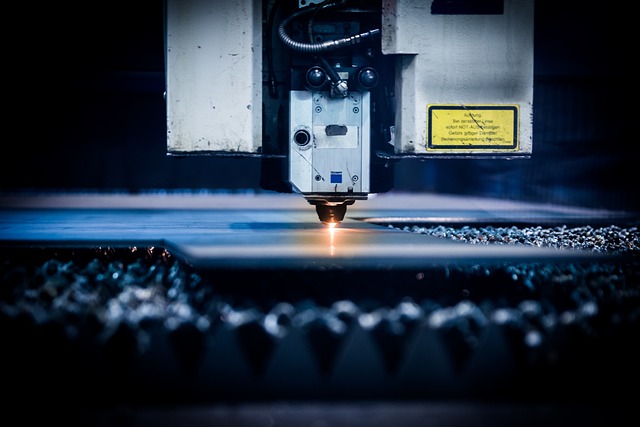
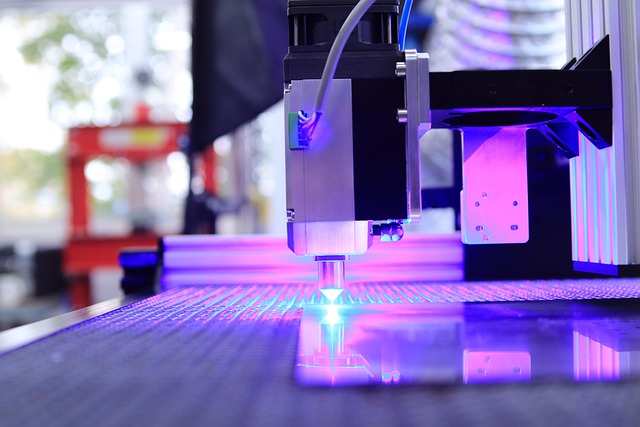
Laser technology redefined precision by focusing energy into a narrow beam capable of melting or vaporizing material with micron-level accuracy. Unlike traditional machining, which depends on mechanical force, lasers rely on controlled light energy, enabling faster speeds and cleaner finishes. Automation further advanced this evolution—modern systems integrate directly with digital design tools, automatically adjusting parameters for different materials or geometries without manual intervention.
The Role of Automation and Digital Integration in Advancing Cutting Processes
Automation transformed laser cutting from a skilled craft into a streamlined digital process. With CNC controllers linked to CAD/CAM software, you can now move from concept to production almost instantly. Real-time sensors monitor temperature, beam focus, and material thickness, adjusting parameters dynamically to maintain consistency. This digital integration not only improves throughput but also allows for traceability—every cut can be logged and analyzed for quality assurance.
Why Laser Cutting Machines Have Become Central to Manufacturing Operations
Today’s production lines demand versatility and repeatability. Laser cutting machines meet both needs by integrating seamlessly with computer-aided design systems. They interpret complex geometries directly from digital files, minimizing human error while accelerating setup times. This integration supports just-in-time manufacturing models where flexibility is essential.
Material waste reduction is another driver of adoption. Since laser beams are extremely narrow, kerf loss is minimal compared to mechanical saws or punches. Less waste translates into cost savings and sustainability benefits—an increasingly important factor as industries face environmental regulations.
Enhanced Flexibility for Prototyping and High-Volume Production Alike
Whether producing a single prototype or thousands of identical parts, the same machine can handle both tasks with minimal reconfiguration. You can switch between metals, plastics, or composites simply by adjusting beam parameters through software controls instead of changing physical tooling.
Core Principles Behind Laser Cutting Technology
At its core, laser cutting relies on the interaction between concentrated light energy and matter. When a focused beam strikes a surface, it heats it rapidly until it melts or vaporizes along a defined path. The process depends heavily on wavelength selection and power density—two factors that determine how efficiently energy is absorbed by the target material.
Understanding the Science of Laser-Material Interaction
Different materials absorb light differently depending on wavelength; metals respond well to fiber lasers due to their shorter wavelengths, while CO₂ lasers perform better on non-metals like wood or acrylics. Power density affects penetration depth: higher densities produce deeper cuts but can risk thermal distortion if not properly managed.
CO₂ lasers use gas mixtures to generate infrared beams ideal for organic materials; fiber lasers employ doped optical fibers producing high-intensity beams suited for metals; Nd:YAG lasers provide versatility for both metal marking and fine cutting applications.
Key Components Defining Machine Performance
Laser Source and Beam Delivery System
The heart of any laser cutter is its source—the component generating coherent light—and the optics guiding it toward the workpiece. Beam quality directly influences edge smoothness; poor focus leads to rough edges or inconsistent kerf width. Precision lenses and mirrors maintain uniform energy distribution across the cutting field.
Motion Control and Positioning Systems
Servo motors and linear drives translate digital commands into motion with micron-level accuracy. High-end CNC controllers synchronize movement along multiple axes so even complex geometries remain dimensionally consistent across repeated runs.
Advantages Driving the Widespread Adoption of Laser Cutting Machines
Precision and Repeatability Across Materials
Laser cutters deliver dimensional accuracy within ±0.05 mm across metals like stainless steel or aluminum as well as polymers or composites. Because there’s no physical contact between tool and part, there’s no tool wear—ensuring repeatable quality over long production cycles.
Efficiency Gains Through Automation and Integration
Modern systems feature sensors that analyze reflected light intensity during operation to adjust speed or power automatically if deviations occur. Combined with robotic handling arms feeding raw sheets continuously into the work zone, this creates uninterrupted workflows ideal for 24/7 manufacturing environments.
Cost Optimization Over the Production Lifecycle
While initial investment costs may appear high, operational expenses remain low due to minimal consumables and reduced maintenance needs compared with mechanical cutters that require frequent blade replacements or lubrication routines. Fiber lasers also consume less electricity than older CO₂ models thanks to improved conversion efficiency.
Applications Transforming Industrial Sectors Through Laser Cutting
Metal Fabrication and Heavy Engineering Applications
In construction and shipbuilding sectors, structural steel components often require precise edge preparation before welding—a task perfectly suited for laser cutters due to their ability to produce burr-free edges at high speeds exceeding 20 m/min on thin sheets.
Automotive plants use them extensively for chassis panels where consistency across thousands of units matters more than ever as tolerances tighten under lightweighting initiatives aimed at improving fuel efficiency.
Electronics and Precision Instrumentation Manufacturing
Micro-cutting capabilities enable intricate shaping of printed circuit boards (PCBs), sensors, or micro-enclosures without introducing thermal stress that could damage sensitive components. Clean-edge processing minimizes secondary finishing steps such as deburring or polishing.
Aerospace and Medical Device Fabrication Uses
Aircraft structures rely on lightweight alloys like titanium that are difficult to machine mechanically but cut cleanly using high-power fiber lasers operating around 1 µm wavelength. In medical device manufacturing, precise cuts in biocompatible materials such as stainless steel tubing enable production of surgical instruments with exacting tolerances demanded by regulatory standards.
Technological Innovations Enhancing Laser Cutting Capabilities
Integration with Smart Manufacturing Systems (Industry 4.0)
Laser cutters now form part of connected ecosystems where each machine communicates performance data through IoT networks back to central monitoring hubs. Predictive analytics powered by AI forecast maintenance needs before breakdowns occur—reducing downtime dramatically compared with reactive service models common a decade ago.
Advancements in Beam Control and Process Monitoring Technologies
Adaptive Optics Systems for Dynamic Focusing Adjustments
Adaptive optics automatically compensate for variations in material thickness by adjusting focal length during operation so cut depth remains constant even when sheet flatness varies slightly—a common issue in large-format metal plates.
In-Situ Sensing for Quality Assurance
Embedded photodiodes detect reflected light intensity changes signaling incomplete penetration or surface contamination mid-process allowing operators—or automated control software—to correct parameters immediately rather than discovering defects post-production inspection.
Future Trends Shaping the Role of Laser Cutting Machines in Manufacturing Ecosystems
Hybrid Processing Systems Combining Multiple Techniques
Manufacturers increasingly combine additive manufacturing (3D printing) with subtractive laser cutting stations within unified work cells enabling fabrication lines capable of both building up material layers then trimming them precisely afterward—a flexible approach reducing lead times significantly.
Sustainability-Oriented Developments in Laser Technology
Next-generation diode-pumped sources achieve electrical-to-optical efficiencies exceeding 40%, slashing energy consumption per cut while maintaining throughput levels required by mass production facilities striving toward carbon neutrality goals set under international frameworks such as ISO 14001 environmental management standards.
Expanding Capabilities Through Software Intelligence
AI-driven control platforms now tune power output dynamically based on sensor feedback optimizing each pass according to real-time conditions like surface reflectivity changes ensuring consistent results even under variable batch compositions typical in custom job shops.
FAQ
Q1: What makes a laser cutting machine more efficient than traditional methods?
A: It eliminates tool wear since there’s no physical contact between cutter and material while providing faster cycle times through automated parameter control integrated into CNC systems.
Q2: Which industries benefit most from adopting laser cutting technology?
A: Automotive, aerospace, electronics manufacturing, medical device fabrication, construction steelwork—all rely heavily on its precision capabilities across diverse materials.
Q3: How do fiber lasers differ from CO₂ lasers?
A: Fiber lasers operate at shorter wavelengths suited for metals offering higher energy density whereas CO₂ models excel at cutting non-metallic materials like plastics or wood due to their longer wavelength absorption characteristics.
Q4: Can modern laser cutters integrate with smart factory environments?
A: Yes—they connect via IoT protocols transmitting operational data enabling predictive maintenance analytics reducing unplanned downtime significantly within Industry 4.0 frameworks.
Q5: Are there sustainability advantages associated with new-generation laser sources?
A: Absolutely—energy-efficient diode-pumped designs reduce electricity usage per unit produced helping manufacturers meet environmental compliance targets while lowering operational costs over time.