
Is The Haas Mini Mill The Smart Choice Over A Full‑Size Shop Mill
Evaluating the Haas Mini Mill in Modern Machining Environments
Small vertical machining centers play a key role in today’s factories, particularly in spots where quick changes and limited room count. The Haas Mini Mill stands out as a popular choice in this group. It mixes low cost, solid work, and exact cuts that draw in tiny shops and schools alike. If you’re looking at output levels or how to set up your workspace, this small VMC brings up a big point: when does a smaller setup work better than a big one?
Think about it in a busy shop with tight quarters. You might squeeze in two Mini Mills where one large machine would take over. That setup lets you handle jobs faster without waiting.
Understanding the Position of the Haas Mini Mill in CNC Manufacturing
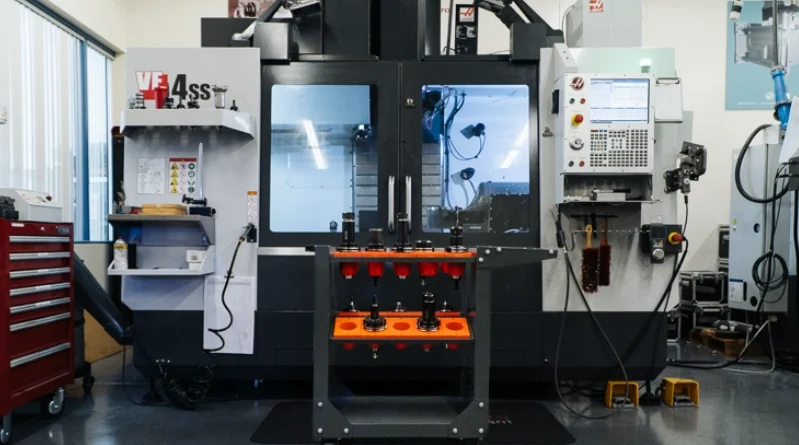
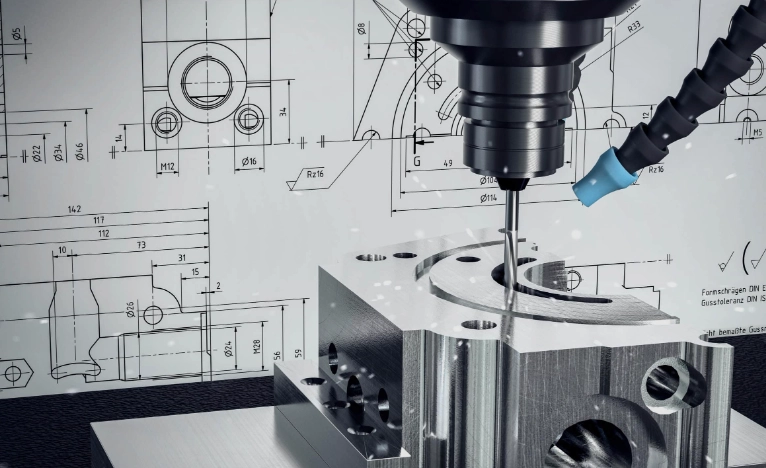
The Haas Mini Mill works as a small vertical machining center (VMC). It uses the same control setup as bigger Haas machines. This brings CNC accuracy to places that lack room for a full-sized mill. The model fits well into small production setups, test labs, and training spots where easy use and reach matter most.
Its build idea matches that of larger shop mills, but shrunk down for ease. You get strong iron castings, smooth ground paths, and a sturdy spindle system. All of this packs into a tight space. Lots of shops add it as an extra tool for easy tasks or fast jobs. They save their big mills for tough cuts. In one case I recall from a local workshop, they used the Mini Mill for quick aluminum parts, freeing up the main machine for steel work all day.
Key Technical Specifications That Define Its Capabilities
The Haas Mini Mill often has a 40-taper spindle. It runs at about 6,000 rpm with around 7.5 horsepower. The axis moves cover nearly 16″ × 12″ × 10″. This gives space for small to medium parts without extra empty room. Tool spots usually hold ten items. That suits short batches or test builds.
Its control links up well with the Haas line via the Next Generation Control (NGC) platform. So, you can move programs between machines easily. Or hook them to watch systems without mix-ups. The build stays strong even in this size. They use smart casting shapes and good spindle cooling for stiffness and steady heat control.
For example, in a school shop, students often program simple parts on it. The controls feel familiar, like on pro machines, but the small size keeps things safe and simple.
Comparing Performance: Mini Mill vs. Full‑Size Shop Mill
The main talk starts when you look at how compact and full-sized VMCs stack up. Power levels, move ranges, and twist strength show how each deals with various metals and part sizes.
Differences in Power, Speed, and Cutting Capacity
A full-sized shop mill usually has spindles over 20 horsepower. These offer higher twist for tough metals like stainless steel or titanium. The Mini Mill’s lower power cuts down its speed on those metals. But it does fine on aluminum or plastics. Quick move speeds run a bit slower on small models to keep things steady in their light bodies.
Big machines take out more metal in one go. Yet the Mini Mill makes up for it with quicker starts and less empty moves between tool swaps. This adds real speed in short jobs. Take a prototype run of 50 parts. The Mini Mill might finish in half the setup time of a big mill, even if each cut takes a touch longer.
Accuracy, Repeatability, and Surface Finish Quality
Stiffness matters a lot for exact work. A heavy machine soaks up shakes better during hard cuts. This keeps sizes on track over long runs. The Mini Mill’s lighter body has some limits under big loads. But it stays spot-on for usual small-part needs.
Heat control varies too. Small bodies warm up quicker but chill fast as well. For smooth finishes or steady repeats over work shifts, you need even room temps more on these machines. Smart cut paths help fight bends that might hurt the surface. In practice, shops often add a quick warm-up cycle to settle any heat before key jobs. That little step boosts results without much fuss.
Space Utilization and Operational Efficiency
In today’s shops, floor area often ties straight to earnings. Fitting several working units in one spot can beat the raw power of bigger gear.
Floor Space Optimization in High‑Value Workshops
One Haas Mini Mill takes up about one-third the space of a regular VMC. So you can place two or three next to each other for side-by-side work. Or set one for aluminum tests while another does steel tools. This flexible plan smooths out tasks in tight spots like test labs or new shops. Every bit of floor turns into real use there.
Power needs stay low. Single-phase choices work fine. Chip handling setups fit small without big belts. Workers reach it easily from the front. That cuts down stretch during starts. Picture a startup garage shop. They parked two Mini Mills against a wall, ran night shifts on both, and doubled output without extra rent.
Energy Consumption and Maintenance Requirements
Smaller spindles pull less power in total. That makes energy use one clear plus for the Mini Mill type. Check-up times match those of big machines. But they’re simpler to do. Parts like path covers and oil spots sit right where you can get to them.
Work load affects how long it lasts. If you run a mini mill non-stop on hard metals at top speeds, parts wear out quicker than on a solid big-frame tool made for that. For normal jobs, though, they hold up well for years. Downtime stays low. I’ve seen shops hit 10,000 hours with just basic oil changes every few months.
Cost Analysis: Investment vs. Productivity Return
Upfront spending often picks if shops go for small or big tools first. But looking at costs goes beyond the buy price. It covers setup ease, tool fits, and output over time.
Initial Purchase Price and Setup Costs
A new Haas Mini Mill sits in a starter price range. It’s way less than mid-level VMCs that cost several times as much. Setting it up proves easy. No need for extra-strong floors. Regular shop air works for running it. It takes standard CAT40 tools like other Haas units. So you save by using the same holders across your group. No extra buys for special bits.
For new businesses or learning centers with slim budgets but high standards, this price-to-work match feels right. One education program I know bought three for under the cost of one big mill. They trained more students and built real projects from day one.
Operating Costs Over Machine Lifetime
Power draw keeps low during regular runs thanks to tinier motors and less coolant need. Spindle part wear costs less to fix. Swap kits run cheaper than on wide-frame mills.
Stop times tie to job types. Light aluminum work hardly pushes parts. But steady steel cuts might trim bearing time a bit. When figuring returns, look at not just per-hour work but also switch ease. Quick part changes can beat slow cut speeds when orders shift daily. Over five years, many shops see payback through steady small jobs that add up.
Application Scenarios Where the Haas Mini Mill Excels
Small CNCs do best where quick shifts beat raw strength. Think spots with fast product changes or schools needing easy tech for students.
Prototyping, R&D, and Educational Use Cases
Teams building new items gain from fast finishes. Once you have basic plans, Haas controls let you set up in minutes, not hours. Schools like its simple screen for teaching cut paths. It avoids scaring new folks with huge factory gear.
In test spots for idea checks or repeat trials, cutting small groups overnight frees main lines. That’s a real help. For instance, an engineering class might mill a gear set in one afternoon, then tweak it based on tests right away.
Small‑Batch Production and Specialty Components Manufacturing
Fields making medical parts or custom tools need close fits at low numbers. That’s where the Mini Mill shines. Fast setups allow many switches while hitting needed exactness for rules in those areas.
Since holds can stay basic with light pieces, prep time drops a lot versus big setups for huge runs. A tool shop might turn out 20 unique jigs a week, each with slots down to 0.01 inches, without breaking a sweat.
Strategic Considerations Before Choosing a Compact VMC
Picking any CNC means matching tech wants with business aims. Don’t just check lists. Plan for growth too.
Assessing Production Needs Against Machine Capability
Check your biggest part size against move limits first. Going over means sending out work later, which adds cost. Also weigh fit needs against spindle stats. If parts call for super-fine holds under hard cuts, you might pass the mini stage quick.
Time per cycle needs a look against savings from low start costs. Often, two minis working together beat one big mill. They offer more bend and backup if one pauses. In a real shop scenario, running duplicates cut wait times during rush orders by 40 percent.
Planning for Future Scalability
Even at basic levels, think about getting bigger. If your items grow past one mini mill’s easy handle, add more units. This keeps tasks in blocks without big changes like strong floors or power boosts seen in large VMC setups.
Auto add-ons work too. From basic stock feeders to robot arms moving holds between runs. These let you ease into round-the-clock work without tossing old buys. Shops often start with one Mini Mill, then scale to a line of four as orders pick up, all in the same space.
FAQ
Q1: What type of materials can the Haas Mini Mill handle effectively?
A: It works best on aluminum alloys, plastics, brass, and mild steels. For harder metals like titanium, you need lighter cuts because of lower spindle torque than full-size mills.
Q2: How accurate is the Haas Mini Mill compared with larger VMCs?
A: In its normal job range, it holds great accuracy, often within ±0.0005 inch. But long heavy cuts might nudge repeatability a tad due to less weight damping shakes like bigger frames do.
Q3: Is it suitable for continuous production use?
A: Yes, as long as work loads stay average. Still, non-stop high pushes shorten part life faster than on heavy-duty machines built for all-day output.
Q4: Can multiple mini mills replace one large machine?
A: Often yes. Two or three minis let you process varied jobs at once while using about the same floor as one big unit.
Q5: What industries most commonly adopt this model?
A: Schools teaching CNC basics use it a lot. Prototype teams build new items fast. Medical makers craft custom implants. Tool shops make special holds in small lots.