
How Can CNC Wood Cutting Machine Improve Cabinet Production Efficiency
Benefits of Using CNC Wood Cutting Machine to Build Cabinet
The use of a CNC wood cutting machine has transformed cabinet manufacturing from an artisanal process into a high-precision industrial workflow. The technology delivers measurable gains in speed, accuracy, and material utilization. By automating repetitive tasks, it reduces labor costs while improving consistency across large production runs. Modern facilities that adopt CNC systems achieve faster turnaround times, tighter tolerances, and more efficient resource management. For manufacturers seeking both scalability and craftsmanship-level precision, CNC wood cutting machines represent the most effective path toward enhanced productivity and quality assurance.
Enhancing Cabinet Production Efficiency Through CNC Wood Cutting Technology
CNC wood cutting machines have become central to modern woodworking facilities because they combine automation with digital precision. Their integration into cabinet production lines allows manufacturers to move beyond manual craftsmanship limitations while maintaining design flexibility.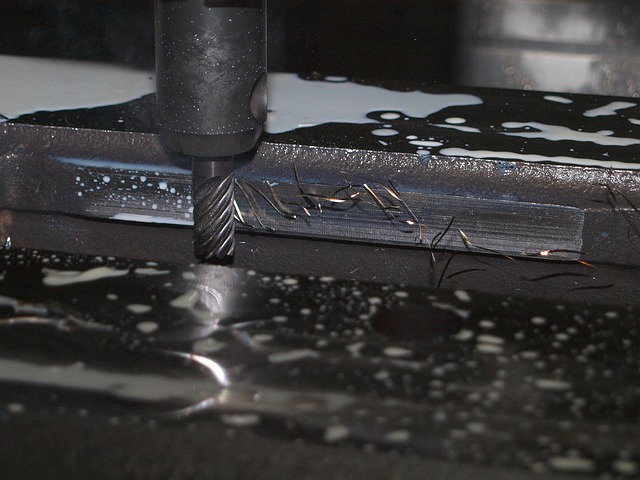
The Role of CNC Wood Cutting Machines in Modern Cabinet Manufacturing
A CNC wood cutting machine automates cutting, drilling, and shaping operations with remarkable precision. Each movement is guided by computer-controlled instructions derived from digital design files, eliminating guesswork during fabrication. Integration with CAD software enables a seamless transition from concept to production, allowing designs to be modified quickly without disrupting workflow. Automation also minimizes human error and material waste since the system executes toolpaths consistently across multiple workpieces. In practice, this means fewer rejected parts and smoother assembly downstream.
Evolution of Wood Cutting Technology in Cabinet Production
Traditional cabinetmaking relied heavily on manual saws, jigs, and operator skill. While these methods produced fine craftsmanship, they were slow and inconsistent for large-scale output. The introduction of CNC systems replaced manual alignment with servo-driven motion control and multi-axis spindles capable of executing complex geometries with repeatable accuracy. Over time, advancements in spindle speed control and feedback sensors improved cut quality even on dense hardwoods or composite panels. As digital manufacturing trends expanded across industries, woodworking adopted similar principles—real-time data monitoring and adaptive toolpath correction—to raise efficiency without sacrificing artistry.
Precision and Consistency in Cabinet Component Fabrication
Precision defines the success of any cabinet production line. Even minor dimensional variation can cause misalignment during assembly or affect door fitment. CNC technology addresses these challenges by standardizing every step through computer-based calibration.
Dimensional Accuracy and Repeatability
CNC machines maintain consistent dimensions across thousands of identical cabinet parts because their axes are controlled by precise stepper or servo motors calibrated through software feedback loops. This repeatability drastically reduces rework caused by uneven cuts or warped joints. With tolerances often within tenths of a millimeter, assembly becomes smoother and requires minimal manual adjustment. Such precision also supports modular cabinetry systems where interchangeable components must align perfectly regardless of batch timing.
Impact on Material Optimization and Waste Reduction
Material efficiency is another major benefit of using a CNC wood cutting machine for cabinet building. Nesting software arranges part layouts on sheet materials to maximize board utilization before any cut occurs. Automated toolpath planning further reduces offcuts by minimizing travel distances between cuts and optimizing feed direction relative to grain patterns. Less waste not only lowers raw material costs but also supports sustainability goals increasingly prioritized in furniture manufacturing sectors worldwide.
Streamlining Workflow and Production Management
Beyond precision cutting, CNC technology enhances overall production management through its digital integration capabilities. Linking design data directly with machining operations eliminates communication gaps that traditionally slowed manufacturing cycles.
Integration with CAD/CAM Systems for Seamless Operations
When CAD/CAM systems communicate directly with CNC controllers, design-to-production workflows become continuous rather than sequential. Any design update instantly reflects in the machining code without requiring manual re-entry or paper drawings. This synchronization prevents costly translation errors between departments while enabling quick customization for client-specific orders through parametric modeling tools that adjust dimensions algorithmically instead of redrawing entire assemblies.
Automation in Batch Production and Custom Orders
CNC systems excel equally at mass production runs and bespoke cabinetry projects thanks to programmable flexibility. Automated tool changers allow rapid switching between cutters or drill bits suited for different materials or joinery types without halting operations for long setups. Scheduling software coordinates multiple machines within a facility to balance workloads efficiently—an approach that maximizes throughput while maintaining consistent quality levels across varying order sizes.
Improving Labor Efficiency and Skill Utilization
As automation increases within woodworking plants, human roles shift from repetitive handling toward supervision and process optimization tasks that demand higher technical expertise.
Reducing Manual Labor Requirements
Operators no longer need to manually guide saw blades or measure each cut repeatedly; instead, they focus on programming jobs into the system interface and verifying quality parameters during operation. This shift reduces physical strain associated with prolonged manual cutting while improving workplace safety by keeping operators away from moving blades or dust exposure zones. Freed labor hours can then be redirected toward finishing processes such as sanding or coating where human touch still adds value.
Enhancing Operator Skill Development Through Digital Competence
The adoption of CNC machinery promotes workforce upskilling in areas like G-code editing, maintenance diagnostics, and data-driven performance analysis. Technicians who once specialized solely in hand tools now manage digital workflows that integrate mechanical knowledge with software literacy—a combination increasingly vital as smart factories evolve toward Industry 4.0 standards emphasizing interconnected equipment networks.
Quality Control and Process Monitoring Advantages
Quality assurance benefits significantly from the real-time monitoring capabilities embedded within modern CNC controllers equipped with advanced sensors.
Real-Time Performance Tracking and Error Detection
Sensors continuously track spindle load variations, vibration levels, temperature changes, and feed rates during operation to maintain process stability. When anomalies occur—such as excessive resistance indicating dull tooling—the system automatically pauses or alerts operators before defects propagate further down the line. Logged data creates traceable records valuable for audits or predictive maintenance planning aimed at preventing future downtime events.
Surface Finish Consistency and Assembly Fit Accuracy
Controlled feed rates produce cleaner edges requiring minimal sanding before finishing applications like veneer lamination or paint coating. Smooth surfaces reduce preparation time while improving adhesive bonding strength during assembly stages. Accurate joinery achieved through tight tolerance control enhances structural integrity once cabinets are assembled under load conditions typical in kitchens or commercial interiors.
Economic Impact of CNC Implementation in Cabinet Production
From an economic perspective, investing in a CNC wood cutting machine yields measurable returns over time through reduced cycle durations, lower scrap rates, and extended tool life management strategies.
Cost Efficiency Through Reduced Cycle Times
Automated processing accelerates throughput since multiple machining operations—cutting holes, routing grooves, trimming edges—can be executed sequentially within one setup rather than separate stations requiring repositioning between tasks. Optimized toolpaths shorten idle intervals between passes while predictive maintenance scheduling minimizes unexpected stoppages that would otherwise disrupt delivery schedules.
Return on Investment from Long-Term Operational Gains
Although initial equipment acquisition represents a substantial capital outlay, ongoing productivity improvements quickly offset costs via higher daily output volumes combined with reduced warranty claims stemming from consistent build quality. Manufacturers adopting this technology also gain competitive leverage through shorter lead times that appeal strongly to both retail suppliers demanding just-in-time inventory models and consumers expecting custom-fit cabinetry delivered faster than traditional workshops can achieve.
FAQ
Q1: How does a CNC wood cutting machine improve cabinet accuracy?
A: It eliminates manual variation by following programmed coordinates precisely across all parts, maintaining uniformity even over large batches.
Q2: Can small workshops benefit from using CNC machines?
A: Yes; compact models suit limited spaces while offering professional-grade precision suitable for both prototypes and short-run furniture lines.
Q3: What materials can be processed using these machines?
A: They handle solid wood, MDF boards, plywood composites, laminates, and even lightweight aluminum panels used for decorative elements.
Q4: How long does it take to recover investment costs?
A: Depending on production volume and efficiency gains achieved after training staff properly, payback typically occurs within two to three years.
Q5: Are specialized skills required to operate them?
A: Operators need training in digital programming basics plus understanding mechanical setup principles; however modern interfaces simplify most routine tasks considerably.