
How CNC Router Innovation Is Reshaping Global Stone Manufacturing
The Transformation of Stone Manufacturing Through CNC Router Innovation
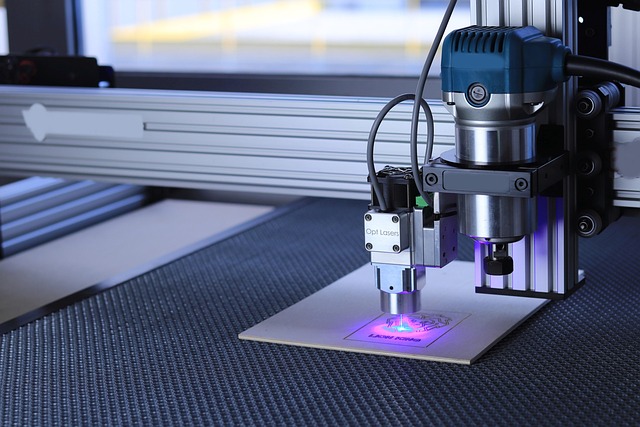
The stone industry has changed dramatically over the past two decades. Once dependent on manual craftsmanship, it now relies heavily on computer-controlled machinery. The rise of the CNC router has redefined how stone is cut, shaped, and finished. For professionals in architecture, construction, and design, this shift means faster production cycles, higher accuracy, and new creative freedom.
Technological Advancements Driving Change in the Stone Industry
The modernization of stone fabrication began with the integration of advanced control systems that deliver consistent precision across repetitive tasks. These systems allow machines to interpret digital designs with micrometer-level accuracy. Automation in production lines reduces labor costs and minimizes errors that once occurred through manual handling. You can now execute complex profiles or multi-layered engravings without stopping the process for tool changes or recalibration.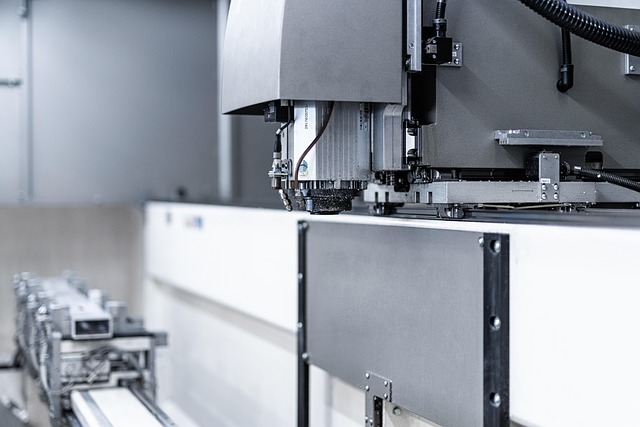
Software-driven design capabilities have expanded creative possibilities even further. Computer-Aided Design (CAD) and Computer-Aided Manufacturing (CAM) tools enable you to move directly from a 3D model to a finished product with minimal human input. This digital transformation lets designers experiment freely while maintaining strict tolerances during execution.
The Shift from Traditional Techniques to Digital Fabrication
Traditional stone carving demanded years of skill and physical endurance. Today, CNC routers replace chisels and hand-guided saws with automated precision guided by digital code. A single operator can manage multiple machines simultaneously, each performing intricate tasks that once required a team of artisans.
Digital workflows have also streamlined the design-to-production pipeline. Instead of translating drawings manually into cutting paths, software generates toolpaths automatically based on design parameters. This reduces setup time and eliminates misinterpretations between designers and machinists. By cutting closer to the final shape, CNC routers reduce material waste—an important factor when dealing with expensive natural stone—and improve repeatability across large batches, boosting profitability for manufacturers.
Core Innovations in Modern Stone CNC Router Technology
Modern stone routers are not simply faster versions of older machines; they represent a complete rethinking of how stone is processed from block to finish.
High-Speed Spindle and Tooling Developments
High-speed spindles now reach tens of thousands of revolutions per minute while maintaining vibration control for clean edges on granite or marble surfaces. This allows you to cut faster without losing surface quality or risking cracks due to heat buildup. Adaptive tooling systems automatically adjust feed rates based on material density—granite requires slower passes than limestone—ensuring consistent results regardless of variations in hardness within the same slab.
Tool wear monitoring has become an essential maintenance feature. Sensors track performance metrics such as torque and temperature, alerting operators before tools degrade enough to affect quality or cause downtime.
Multi-Axis Machining Capabilities
Five-axis CNC routers have opened new frontiers for complex geometry work. They can tilt, rotate, and cut simultaneously along multiple planes, enabling sculptural forms that were previously impossible through manual methods. For architectural projects like curved facades or ornate columns, this capability drastically reduces assembly time since parts fit together more precisely.
Simultaneous multi-axis operations also reduce setup time for large-scale projects by allowing continuous machining from different angles without repositioning the material. Precision machining supports not only decorative applications but also industrial components such as precision molds used in casting concrete or metal.
Integration of Smart Systems and IoT Connectivity
Smart manufacturing has reached stone fabrication too. Real-time performance monitoring gives predictive maintenance alerts before mechanical failures occur, saving both time and money. Remote diagnostics allow technicians to troubleshoot machines from anywhere—vital for global operations where service teams may be located across continents.
IoT connectivity provides data analytics that help evaluate efficiency across multiple production sites. By comparing cycle times or energy usage between facilities, managers can identify best practices and apply them universally.
The Role of Leading CNC Router Manufacturers in Global Stone Production
The evolution of CNC router technology owes much to manufacturers who continuously push boundaries through research and collaboration.
Strategic Innovation by Top Manufacturers
Top producers invest heavily in R&D to refine automation technologies that make machining more intuitive and efficient. Many collaborate with software developers to integrate AI-based decision-making into their control platforms, allowing routers to adapt dynamically during operation rather than follow rigid pre-set instructions.
Energy efficiency has become another key focus area as sustainability standards tighten worldwide. Machines are designed with optimized motors and lightweight components that consume less power while maintaining structural rigidity.
Regional Influence on Technological Development
Geography shapes innovation strategies within the industry. Asian manufacturers often emphasize cost-effective scalability—producing reliable machines at competitive prices suited for emerging markets seeking automation upgrades without excessive capital investment.
European producers traditionally lead in precision engineering and durability standards; their machines excel in high-end architectural applications requiring flawless finishes over long production runs.
North American firms tend to specialize in integrating advanced software ecosystems for customization flexibility—ideal for bespoke projects where adaptability is more valuable than volume output.
Enhancing Production Efficiency and Quality Control with CNC Routers
Efficiency isn’t just about speed; it’s about consistency from start to finish across every batch produced.
Streamlining Workflow Automation in Stone Fabrication Plants
Automation plays a central role here: automated tool changers switch bits within seconds between drilling, milling, or engraving tasks without operator input. Integrated CAD/CAM systems guarantee seamless transitions from design files directly into machine code execution—reducing translation errors common in hybrid manual-digital setups.
As a result, consistent output quality is maintained even during high-volume runs because every piece follows identical digital instructions rather than subjective human judgment.
Improving Surface Finishing and Dimensional Accuracy
Modern motion control achieves micron-level precision on complex surfaces like curved countertops or sculptural panels. Automated polishing modules attached directly to routers create uniform textures across multiple pieces—a task once requiring extensive hand finishing.
Real-time feedback loops detect dimensional deviations early during processing stages so adjustments can occur instantly instead of after inspection when corrections would be costly or impossible.
Sustainability and Resource Optimization in Modern Stone Manufacturing
Sustainability isn’t just a buzzword anymore—it’s an operational necessity driven by cost savings as much as environmental responsibility.
Energy-Efficient Machine Design Principles
Variable frequency drives regulate motor speeds depending on workload intensity rather than running at full capacity constantly; this lowers energy consumption significantly during idle cycles or light operations. Intelligent power management systems distribute load efficiently across components while eco-friendly cooling solutions reduce water waste compared with traditional coolant-based setups.
Over time these innovations translate into measurable reductions in operating costs while aligning production facilities with global sustainability goals such as ISO 14001 compliance standards (Source: ISO Environmental Management Systems 2023).
Waste Reduction Through Precision Cutting Technologies
Optimized nesting algorithms arrange parts digitally before cutting begins so every square centimeter of raw slab is utilized effectively—a critical advantage given rising material prices worldwide (Source: Natural Stone Institute Market Report 2022). Reduced scrap generation directly supports sustainable manufacturing targets by minimizing landfill contributions from offcuts.
Some facilities even reuse leftover fragments for secondary products like mosaic tiles or landscape edging stones—turning potential waste into revenue streams while improving overall resource efficiency ratios per ton processed.
Future Directions in Stone CNC Router Development
Looking ahead, several trends indicate where innovation will head next—and they all point toward smarter integration between hardware intelligence and digital ecosystems.
Emerging Trends Shaping the Next Generation of Machines
AI-driven process optimization will soon let machines learn ideal cutting parameters autonomously based on previous job data rather than relying solely on operator presets. Robotics integration expands automation potential further by linking routers with robotic arms capable of loading slabs or transferring finished pieces automatically between stations—a step closer toward fully autonomous fabrication lines seen already in automotive sectors.
Hybrid multifunctional machines combining milling, engraving, drilling, and polishing functions are gaining traction too since they simplify plant layouts while reducing capital expenditure per capability added.
The Growing Role of Digital Twins and Simulation Tools
Digital twin technology enables virtual modeling that predicts machine behavior before actual operation begins—helping engineers fine-tune parameters safely without risking expensive materials (Source: Siemens Digital Industries 2023). Simulation cuts prototyping costs dramatically while accelerating time-to-market for custom designs because potential issues are resolved virtually first rather than discovered mid-production.
Continuous feedback loops connecting real-world performance data back into these virtual models refine accuracy over time; each project effectively teaches future ones how to run smoother—a hallmark trait of intelligent manufacturing evolution across industries today.
FAQ
Q1: What makes a CNC router essential for modern stone fabrication?
A: It provides computer-guided precision that replaces manual carving methods while increasing speed and consistency across production runs.
Q2: How do multi-axis routers differ from standard ones?
A: Multi-axis models move along several planes simultaneously, allowing complex shapes like curved facades or sculptures to be machined seamlessly without repositioning materials manually.
Q3: Why are manufacturers focusing on energy-efficient designs?
A: Lower energy use cuts operational costs while meeting stricter sustainability regulations worldwide—a win both economically and environmentally.
Q4: Can CNC routers help reduce waste?
A: Yes, digital nesting algorithms optimize layout patterns so nearly all raw material is used efficiently with minimal scrap generated during cutting processes.
Q5: What future innovations could impact stone manufacturing most?
A: AI learning systems combined with robotics integration promise fully automated workflows capable of adapting dynamically based on real-time data feedback loops.