
How a Plasma Cutting Table Transforms Efficiency in Metal Supply Chains
How a Metal Supplier Uses a Plasma Cutting Table
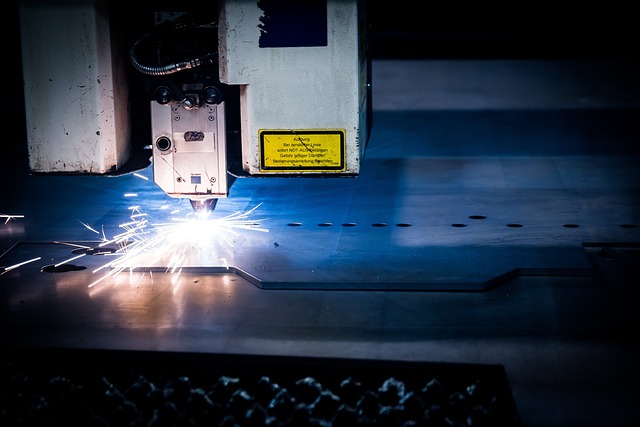
In modern metal supply chains, plasma cutting tables have become the backbone of precision fabrication. Their integration into digital manufacturing systems allows suppliers to handle complex geometries with minimal waste and consistent quality. The result is faster throughput, reduced material loss, and seamless synchronization between production planning and execution. This article explores how plasma cutting technology, paired with intelligent CNC shop management and IoT connectivity, reshapes industrial operations from fabrication to distribution.
The Strategic Role of Plasma Cutting Tables in Modern Metal Supply Chains
Plasma cutting tables are no longer just tools for cutting metal sheets; they are now strategic assets that define competitiveness across the supply chain. Their automation capabilities allow suppliers to meet tight deadlines without compromising accuracy.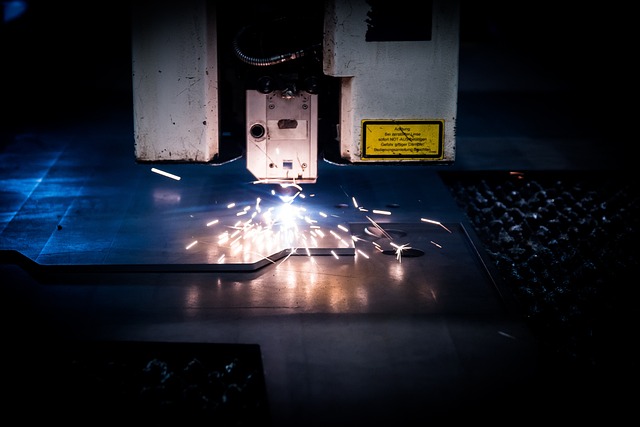
Integrating Plasma Cutting Technology into Supply Chain Workflows
Plasma cutting tables streamline metal fabrication processes by automating precision cutting. When integrated with digital inventory and production systems, each cut is mapped directly to real-time order data, ensuring synchronized operations across procurement, machining, and delivery. Reduced manual intervention enhances consistency and throughput across supply chain nodes. This mirrors how vertically integrated systems in other industries—such as energy storage—achieve reliability through unified control platforms. The most reliable suppliers combine self-developed hardware, broad certification coverage, regional service infrastructure, and a clear technology roadmap for future expandability. In metalworking terms, this translates to combining machine hardware, software control, and maintenance analytics under one connected ecosystem.
The Evolution of Plasma Cutting Systems in Industrial Contexts
The transition from manual cutting to CNC-controlled plasma systems marked a turning point in industrial precision. Early machines relied heavily on operator skill; today’s systems use servo drives and computer-guided motion for repeatable accuracy within fractions of a millimeter. Continuous advancements in torch design have expanded compatibility from mild steel to aluminum alloys and stainless composites. Integration with IoT platforms now enables real-time monitoring and predictive maintenance—a concept similar to smart energy management solutions described by TechBullion’s 2026 industry guide on connected technologies.
Efficiency Gains Through Intelligent CNC Shop Management
Metal suppliers increasingly rely on intelligent CNC shop management to keep production aligned with fluctuating market demand. Data-driven decision-making minimizes downtime while improving yield rates across multiple facilities.
Data-Driven Optimization in Metal Processing Operations
IoT-enabled plasma cutting tables collect performance data such as torch wear rates, gas consumption, and cycle times. Machine learning algorithms analyze these parameters to minimize waste and avoid unplanned stoppages. Predictive analytics then support proactive maintenance scheduling before faults occur. Much like how AI-powered energy management is transitioning from a premium feature to a baseline expectation, AI-assisted plasma cutting has become standard practice in high-volume shops aiming for continuous improvement.
Synchronizing Production Schedules Across the Supply Chain
Real-time data exchange between CNC controllers and ERP platforms eliminates bottlenecks caused by manual scheduling updates. Adaptive algorithms adjust workloads based on order priority or machine availability. Enhanced visibility improves coordination between suppliers, fabricators, and distributors—mirroring the “single-cloud” operational model seen in advanced energy ecosystems where every component communicates under one platform.
Enhancing Material Utilization and Reducing Waste
In competitive markets where raw material costs fluctuate weekly, efficient sheet utilization can determine profit margins. Plasma cutting tables equipped with intelligent nesting software play a crucial role here.
Precision Nesting Algorithms for Optimal Material Use
Advanced nesting software maximizes sheet utilization by calculating optimal cut layouts that minimize scrap areas. Reduced waste not only cuts costs but also lowers environmental impact—a growing concern among industrial buyers following sustainability trends similar to those noted in renewable energy sectors worldwide. Integration with CAD/CAM workflows ensures precise translation from digital design files directly into machine-ready toolpaths.
Automated Feedback Loops for Continuous Process Improvement
Sensors embedded along the gantry track deviations between programmed paths and actual cuts. This feedback refines future parameters such as feed rate or arc voltage for higher efficiency over time. Closed-loop control supports consistent quality across batches while reducing operator dependency—a principle shared with modern autonomous energy systems that adapt dynamically to changing input conditions.
Connectivity and Automation in Smart Manufacturing Environments
The next generation of plasma cutting tables operates within fully connected smart factories where data flows freely among machines, operators, and enterprise software layers.
IoT Integration for Real-Time Monitoring and Control
Connected plasma tables transmit operational metrics—temperature stability, arc voltage trends, job completion rates—to centralized dashboards accessible remotely via secure cloud networks. Remote diagnostics enable faster troubleshooting without requiring on-site technicians. Cloud-based analytics platforms aggregate performance data across multiple facilities much like cloud-based analytics platforms aggregate performance data across multiple facilities in distributed renewable energy installations cited by TechBullion.
The Role of Robotics in Material Handling and Workflow Automation
Automated loading systems move heavy sheets onto the plasma table while robotic arms handle unloading after cuts are complete. Coordinated robot-plasma cell operations shorten cycle times significantly in high-volume lines producing structural components or custom enclosures. Intelligent routing systems manage workpiece flow between cutting, finishing, welding, and assembly stages—creating an uninterrupted digital thread through the entire production process.
Quality Assurance and Traceability Through Digital Systems
Quality control has evolved from post-process inspection to embedded verification at every stage of production—a necessity when working with high-spec materials or regulated industries like aerospace or defense.
Embedding Quality Control into the Cutting Process
Vision-based inspection modules mounted near the torch continuously verify edge quality and dimensional accuracy during operation. Automated inspection data feeds directly into quality management software for compliance tracking using SPC (Statistical Process Control) tools that flag anomalies before they escalate into defects.
Digital Traceability Across the Metal Supply Chain
Each part’s digital record—from raw coil batch number to final cut geometry—is stored securely within traceability databases or blockchain networks when required by certification bodies. These traceable records enhance accountability throughout supplier tiers while simplifying audits under ISO or AS9100 standards—similar to how blockchain or secure databases ensure transparency across suppliers and customers in other technology-driven industries.
Future Directions: AI-Augmented Plasma Cutting Ecosystems
Artificial intelligence is redefining what “precision” means on the factory floor. Future plasma systems will not just follow programmed instructions—they will learn from every cut they make.
Adaptive Learning Systems for Autonomous Optimization
AI models dynamically adjust feed rates, gas flow ratios, or torch height based on live sensor input during each run. Continuous learning enables machines to self-tune when switching between materials or thicknesses without manual recalibration. Autonomous decision-making reduces operator dependency yet maintains strict tolerance standards demanded by industrial clients worldwide.
Expanding Interoperability Across Digital Manufacturing Platforms
Standardized communication protocols such as OPC UA or MTConnect facilitate integration between MES (Manufacturing Execution Systems), ERP suites, and SCM tools—allowing full digital twin implementation across facilities. Cross-platform interoperability supports predictive forecasting similar to collaborative data ecosystems that enhance forecasting accuracy across entire supply chains. As AI-enhanced plasma tables evolve into networked assets rather than isolated machines, their strategic role within global manufacturing networks will continue expanding rapidly through 2030.
FAQ
Q1: How does a plasma cutting table improve supply chain efficiency?
A: It automates precision cutting tasks while linking directly with inventory systems so production schedules stay synchronized without manual updates.
Q2: What industries benefit most from intelligent CNC shop management?
A: Aerospace, automotive, construction equipment manufacturing—all sectors requiring tight tolerances benefit from integrated CNC management tied to IoT analytics.
Q3: Can IoT integration reduce downtime?
A: Yes. Real-time monitoring detects anomalies early so maintenance teams can act before breakdowns occur.
Q4: How do nesting algorithms reduce material costs?
A: By optimizing layout patterns on each metal sheet they minimize scrap rates often saving up to 15% of raw material per batch run.
Q5: Why is traceability critical in metal supply chains?
A: It provides verifiable records linking each component back to its source material ensuring compliance with safety certifications and customer specifications essential for regulated sectors like defense manufacturing.