

What Can We Explain CNC Turning Through The Core Anatomy Of A CNC Lathe Machine
Understanding CNC Turning Through the Structure of a CNC Lathe Machine
CNC turning stands out as one of the most accurate and common ways to machine parts in today’s factories. It’s more than just turning a piece of metal and shaving off bits. The real key lies in how each part of the lathe works together to make reliable, good-quality items. When you talk about CNC turning, it’s smart to check out the machine’s build and control setup. This shows how computer instructions turn into real cuts. Every section, like the bed, spindle, turret, and controller, plays a role in keeping things steady, precise, and repeatable. I remember working on a shop floor where a small tweak to the bed alignment fixed a whole batch of uneven parts—simple stuff like that makes a big difference.
The Relationship Between CNC Turning and Machine Anatomy
The build of a CNC lathe shapes how turning jobs get done. This process depends on smooth teamwork between its axes, spindle, and tools. The exact results in CNC turning come from how the machine’s parts and electronic controls team up.
Core Principles Behind CNC Turning Operations
At its heart, CNC turning means spinning a round workpiece while a fixed tool cuts away layers of material. The set program guides the tool’s path, speed, and depth. If you’re breaking down CNC turning for someone new, consider how the axes stay in sync. This makes sure every cut hits the right size. Even a tiny slip in speed or feed can mess up the finish or fit. Newer lathes have servo systems with feedback that tweak moves all the time. This keeps the work steady. For example, in a car parts run, we’ve seen how steady speeds cut down on waste by about 15%.
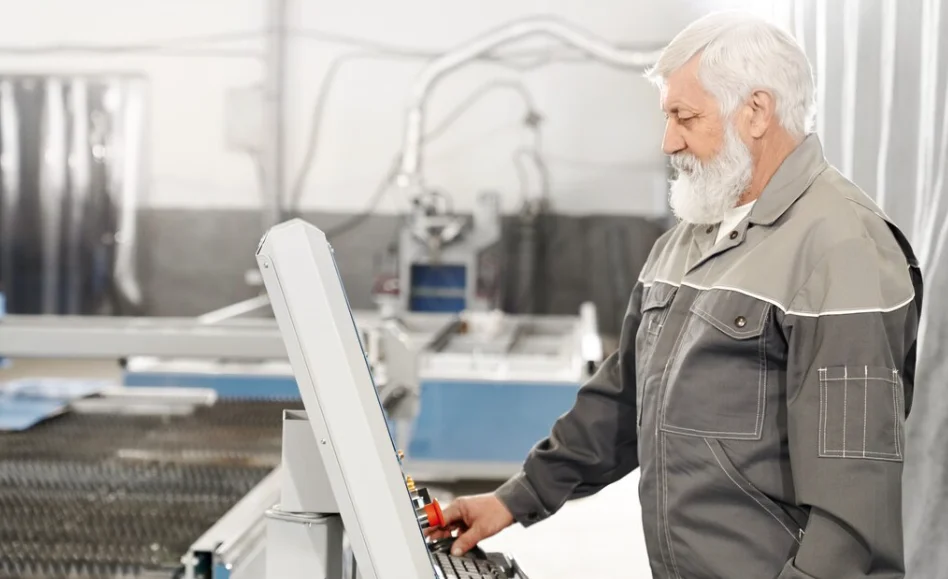
The Mechanical Framework of a CNC Lathe
The main body of a lathe sets its strength and correctness as time goes on. Any shake or heat change can harm the part’s quality. So, makers put a lot of effort into the overall build.
Machine Bed and Base Construction
The bed serves as the base for the whole setup. It takes in the push from cuts and cuts down shakes while running. Top machines often pick cast iron for this. It handles shakes well and stays the same size under weight. Some use polymer mixes for beds too. These help with heat control. Good setup of the tracks on the bed keeps straight moves accurate, even after lots of hard work over years.
Headstock Assembly and Spindle Dynamics
The headstock holds the spindle that spins the workpiece. Its bearings need to handle side and end pushes. They also keep wobble low, which helps make even surfaces at fast turns. The spindle’s build affects power transfer. Bigger bearings add firmness but might cap the top speed. In quick-cut jobs, built-in cooling pipes handle heat growth. This way, accuracy doesn’t shift as things warm up. Think about a bike frame part—without solid spindles, you’d get wavy lines that ruin the ride.
Tailstock and Work Support Mechanisms
For long bars or shafts, tailstocks step in to stop bending or rattling. A straight tailstock keeps the piece lined up with the spindle. Many new machines have tailstocks run by hydraulics or servos. These adjust hold automatically for steady setups in auto lines. It’s handy when you’re cranking out hundreds of pieces without stopping.
Motion Control Systems in CNC Turning
Motion control is what makes the machine follow plans exactly. Here, wires and parts join to turn drawings into real shapes.
Axis Configuration: X, Z, and Optional Y-Axis Movements
Basic CNC lathes use two main axes: X for side moves and Z for length. Some fancier ones add a Y-axis. This lets them mill or drill off-center without moving the part. Each axis runs on servo motors with feedback loops. They hold spot-on spots even when loads change. In practice, this setup shines for jobs like making bolts where every thread counts.
Linear Guideways and Ball Screws
Linear guideways let tools slide easy with little drag. That’s key for nice finishes at slow feeds. Ball screws turn motor spins into straight pushes well. They cut back on play with tight nut setups. You must keep them oiled right. Without it, parts wear fast and accuracy drops. We’ve fixed machines where dry screws caused skips, turning a smooth job into a headache.
Tooling Architecture in CNC Lathes
Tools set how flexible the machining can be. It covers how many you can fit, how quick they swap, and how firm they stay during work.
Tool Turret Design and Indexing Mechanism
Turrets hold several tools on a round holder that turns fast between jobs. Servo systems shift them in seconds. They keep angles exact. Swap-out turret styles let you add live tools too. These can mill or drill right on turned pieces. No need for extra steps. This saves time, especially in small shops juggling different orders.
Cutting Tool Holders and Inserts
Tool holders lock inserts tight against cut pushes. They also block shakes from reaching the spin or piece. Insert shapes guide chip direction, heat spread, and finish feel. Fast-swap holders help when changing jobs. They cut wait times a lot. I once saw a team swap holders in under a minute, boosting output without errors.
Control Electronics and Software Integration
Every part move comes from an electronic core. It reads code and acts with tiny time steps.
CNC Controller Functionality and Interface Design
Controllers turn G-code into moves like axis shifts or speed changes. New screens show live previews of paths. Operators can see the plan run first. You can adjust settings like speed ramps or stop jolts. This fits the machine to materials. Soft stuff like aluminum takes quicker starts than tough steel. It’s lower push to cut.
Feedback Systems: Encoders and Sensors
Encoders watch turns or straight shifts for each axis. Round ones check spindle speed. Straight ones confirm slide spots. Heat sensors spot build-up that could shift sizes in long runs. Some setups add alerts for wear on bearings before they break. This predictive bit saves downtime, like catching a loose part early in a big production push.
Workholding Systems in CNC Turning
How you hold the workpiece sets its steadiness while cutting. Bad grips lead to shakes or wrong sizes right away.
Chuck Types and Clamping Methods
Three-jaw chucks are go-to for quick center on round stock. They’re great for everyday turns. For tight-fit items like plane parts, collet chucks grip even all around. This gives better match-up. Hydraulic chucks let you set hold strength by program. So, thin pipes don’t get squished. In one factory I know, switching to hydraulics cut setup errors by half.
Fixtures for Specialized Applications
Custom holds work for odd shapes or multi-step jobs without re-grip slips. Soft jaws get shaped right there to fit curves exact. This boosts repeat across lots. Fast-swap bases cut prep time in shops with changing parts daily. It’s like having a puzzle piece that fits every time, making runs smoother.
Integration of Automation in Modern CNC Lathes
Automation turns old lathes into round-the-clock setups that run without watchers.
Robotic Loading Systems and Part Handling Solutions
Robots now load raw stuff, pull done parts, or move them between spots. They use standard talks like MTConnect to sync with controls. Camera-guided bots spot part turns auto before setting. This helps with uneven shapes where hand lining slows things. We’ve used these in lines that handle 500 parts a shift without a hitch.
In-Machine Measurement and Adaptive Control Systems
Probe tools inside check sizes during runs. Fixes happen right if something’s off from wear or heat. Adaptive setups tweak feed based on cut push. This keeps chip size even as things shift a bit. It helps quality and tool last longer. Picture a long job where heat creeps in—without this, parts might vary by 0.1 mm, but with it, they’re spot on.
Linking Machine Anatomy to Process Optimization in CNC Turning
Choices in machine build tie straight to how tight the fits, how smooth the surfaces, and how fast the work goes.
How Component Design Affects Machining Accuracy
A strong bed cuts shakes from rough cuts where pushes jump. Exact spindles hold wobble under a micron. This shows in finish numbers like Ra under 0.4 µm with good tool lines. In real shops, we’ve hit these marks on engine shafts by just aligning right—nothing fancy, just solid basics.
Aligning Mechanical Performance with Programming Strategy
When setting paths in CAM, think about machine limits like top speed builds or power bends from motors. Going over causes skips and size slips in row-made parts. Night runs often show build-up shifts if you miss setup checks at start. It’s all about matching the code to the iron—get that right, and everything flows.
FAQ
Q1: What is meant by explaining CNC turning?
A: It refers to describing how a computer-controlled lathe removes material from a rotating workpiece using programmed tool movements to create precise cylindrical shapes.
Q2: Why is spindle design important in a lathe?
A: Because it determines rotational stability; better bearing support means less runout which translates directly into smoother surfaces on finished parts.
Q3: How do ball screws improve motion accuracy?
A: They reduce backlash by converting rotary motor input into linear travel through preloaded recirculating balls providing consistent positioning under varying loads.
Q4: What advantage does adaptive control bring?
A: It monitors real-time cutting conditions adjusting feed rates automatically preventing overloads while maintaining uniform chip formation improving both quality & tool life simultaneously.
Q5: Why use hydraulic chucks instead of manual ones?
A: Hydraulic chucks allow programmable pressure settings offering repeatable clamping force ideal when switching materials frequently within automated production cycles.