
Is a CNC Water Jet Cutting Machine the Ideal Partner for Laser or Plasma in Multi‑Process Fabrication
Understanding the Strengths of CNC Water Jet Cutting Machines
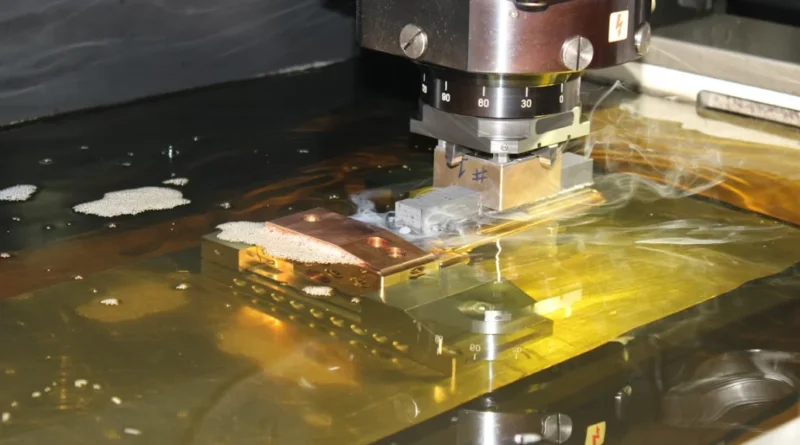
CNC water jet cutting machines play a key role in accurate making processes. They work well with materials that can’t handle heat. This tech stands out because it can cut almost any material. Think metals or composites. It does this without harming the material’s strength. For makers wanting more options, learning when to use waterjet alongside laser or plasma tools can boost work flow and results. In my view, it’s like having the right tools for different jobs in a shop.
Core Capabilities of Water Jet Cutting
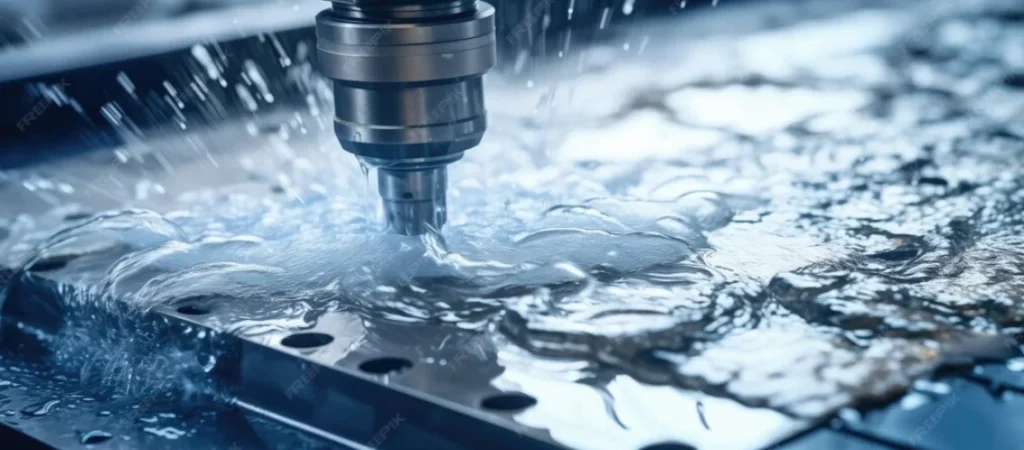
A cnc water jet cutting machine relies on strong water pressure mixed with rough particles to cut through stuff like stainless steel, titanium, stone, glass, and carbon fiber. No heat is involved. So, there are no twists from warmth or tough edges. This keeps the material’s basic strength intact. Because it’s a cool cut method, folks in fields like aerospace and defense pick it often. They need exact parts. For example, in building airplane wings, this helps avoid weak spots.
One big plus is how it deals with heavy or shiny materials that other ways can’t touch easily. You can set it up once and cut pieces over 100 mm thick. The edges stay even. This makes it great for places with many material types or for testing new designs where stuff changes a lot. I’ve seen shops switch materials mid-day without issues.
Limitations of Water Jet Systems in Isolation
Even with its sharp cuts, a single cnc water jet cutting machine comes with some downsides. It cuts slower than hot methods like laser or plasma. The rough particles it uses cost money over time. And getting rid of the waste needs care because of rules on the environment. Take a busy factory: they might wait longer for big jobs, which adds up.
For thin metal sheets that need very close fits—like cases for gadgets or nice designs—waterjet by itself might not be fast enough or sharp enough at tiny levels. That’s when mixing in other tech makes sense. It helps fix these weak spots in daily work.
Evaluating Laser Cutting as a Complementary Technology
Laser cutting pairs nicely with waterjet. It shines in spots where quick work and small details count most. You get complex shapes with little extra work after. And the edges stay steady on thin to medium thick materials. In real terms, it’s like using a fine pen for drawings after rough sketches.
Key Advantages of Laser Cutting in Precision Work
Laser setups give top-notch accuracy. Often within ±0.05 mm range. This fits parts that need clean shapes, such as tools for doctors or boxes for electronics. The tight light beam makes a small cut line. That cuts down on waste and skips a lot of cleanup. Picture making phone parts: less scrap means more savings.
This sharp work also helps small batches where doing the same thing over and over is key. Not so much about speed for huge runs. Laser leaves smooth spots without rough bits or extra melt. So, you rarely need to polish more. It saves hours and hands on the job. From experience, shops report quicker finishes this way.
Challenges and Constraints of Laser Integration Alone
But lasers have their hurdles. They don’t do well with shiny metals like copper or aluminum. Those bounce the light back instead of taking it in. Thick parts are tough too. The light doesn’t go deep enough.
Heat can twist sensitive stuff like plastics or mixed materials. This leads to bends or color changes. Plus, keeping the light parts lined up with the work needs steady flat spots and checks now and then. These things make the setup a bit trickier. In humid shops, alignment can shift if not watched.
Assessing Plasma Cutting as an Alternative Partner Technology
Plasma cutting fits best for tough jobs in big industry spots. Here, speed matters more than super fine work. It’s handy in building ships, making construction gear, and crafting energy tools. Think of it as a fast saw for big logs.
Benefits of Plasma Cutting for Heavy-Duty Applications
Plasma tools cut thick electric-carrying metals like steel or aluminum sheets up to a few inches deep, and they do it quick. Gear costs less than lasers but still pumps out lots of work for big setups. This toughness suits places needing fast results on heavy items. Like beams for buildings or frames for machines. A little rough edge is okay if it meets basic limits.
For instance, in a yard making truck parts, plasma speeds up the day by handling 50 plates in hours, not days.
Limitations When Using Plasma Without Water Jet Support
The bad side is that plasma makes hot zones around the cut. These can change the metal’s makeup near the edge. For exact parts, you need extra steps like sanding or shaping after. That adds work.
Also, plasma can’t touch non-electric stuff like pottery or mixed fibers well. Without a cnc water jet cutting machine to help, your options stay narrow. Shops without it often outsource those jobs, which slows things down.
Strategic Scenarios for Combining Water Jet with Laser Cutting
Mixing waterjet with laser makes a combined fix. It blends cool cut options with hot sharp speed. Many forward-thinking makers use this now. It’s like teaming a steady hand with a quick one for better art.
Hybrid Use for Multi-Material Fabrication Projects
For jobs with different materials—like panels of mixed fibers stuck to metal—the waterjet takes thick parts. The laser does fine lines on metal sides. This two-way plan lets you switch materials smoothly. No need for many setups.
These mixed systems cut wait times. Both run on one base with shared computer links. It smooths the flow in lines for plane tools or special building designs. There, part shapes change a lot. One shop I know cut setup time by half this way.
Optimizing Production Efficiency Through Sequential Processing
Step-by-step work boosts quality and speed. The laser sketches outlines fast first. Then waterjet smooths edges without heat strain. This mix lifts size accuracy. And it keeps great surface looks for top fields like doctor tools or gadget cases.
The pair of quickness from laser and sharpness from waterjet fixes each other’s short spots. It gives steady outcomes on varied shapes. In practice, it handles curves and straights without hiccups.
Strategic Scenarios for Combining Water Jet with Plasma Cutting
Linking plasma’s strong force with waterjet’s polish offers clear wins in heavy making areas. They balance speed and sharpness.
Enhancing Throughput in Heavy Fabrication Operations
In big metal lines—for ship sides or wind power pieces—plasma does fast first cuts on thick steel. Then, the cnc water jet cutting machine cleans up shapes and fixes heat marks from plasma.
This step plan shortens full job time. It hits limits that pass strict checks in sea groups or power builds. For example, a team might finish a 10-meter panel in under an hour total.
Improving Material Utilization and Cost Efficiency
Waterjet clean-up cuts waste from plasma’s rough passes. It narrows edge gaps. Common holders let easy moves between tools without reset waits. That’s useful for big sheets over meters long.
In fields like gear for building where costs hit profits hard, this mix uses stuff best. It keeps fixes simple with shared supply stocks. One factory saved 20% on materials last year.
Integration Considerations for Multi-Cutting Systems
Adding mixed setups with cnc water jet cutting machines and laser or plasma needs good tech planning plus smart money thoughts.
Technical Requirements for System Synchronization
Sharp move software has to link cut paths well. So each step matches up. Strong holders stop shifts in mixed runs. Especially when going from hot to cool mid-job.
Check-ups keep size steady over all tools. Small slips can build to big fixes if not caught in long jobs. Regular tweaks, say weekly, keep it humming.
Economic and Operational Factors in Technology Selection
Before spending on two-tool setups, check planned output against time and waste savings. Fixes get a tad more with two parts to care for. So train workers on both. Cover hot safety and particle care.
For shops with mixed small runs of changing shapes each day, this spend pays off when hand moves eat too much time per group. It’s worth it if batches vary like custom orders.
Future Trends in Hybrid CNC Cutting Technologies
New ideas keep expanding smart mixed cut worlds. They adjust on their own based on shape checks while running. It’s exciting how tech evolves.
Advances in Automation and Smart Control Systems
New smart guides pick auto if a part bit needs laser lines or waterjet edges. They spot thick changes from design files. Built-in watchers check tool wear. They tweak pressure without people stepping in. This builds a watch-ahead fix way that lifts run times over days.
Imagine a machine that senses a worn part and slows just enough—no full stops.
Emerging Materials Driving Hybrid Adoption
Growing smart mixes like carbon-fiber with light metals call for bendy answers. They switch hot and cool steps easy in one spot. Hybrid cnc water jet cutting machines fit these new wants. They change fast without many setups. It’s key as design tests speed up in plane tests or car frame builds for electric rides. With EV growth, expect more shifts here soon.
FAQ
Q1: What materials benefit most from combining waterjet with laser cutting?
A: Multi-layered structures containing both metals and composites gain maximum benefit since each method handles different layers optimally without damage or distortion.
Q2: How does hybrid processing affect production time?
A: Sequential use typically reduces total cycle time because rough contouring happens fast via laser or plasma before precise finishing occurs through waterjet trimming stages.
Q3: Are hybrid systems difficult to maintain?
A: Maintenance becomes more structured rather than complex; operators must follow distinct schedules for thermal optics cleaning alongside abrasive pump servicing routines but overall downtime remains manageable when planned properly.
Q4: Can hybrid setups handle reflective metals efficiently?
A: Yes; although lasers alone struggle on reflective surfaces like copper or brass, pairing them with a cnc water jet cutting machine mitigates reflection issues since final passes occur under cold-water conditions ensuring clean results safely.
Q5: Which industries adopt hybrid CNC cutters fastest?
A: Aerospace tooling manufacturers lead adoption followed closely by medical device producers seeking ultra-clean finishes plus heavy fabrication sectors balancing cost-per-part ratios under tight delivery windows.