
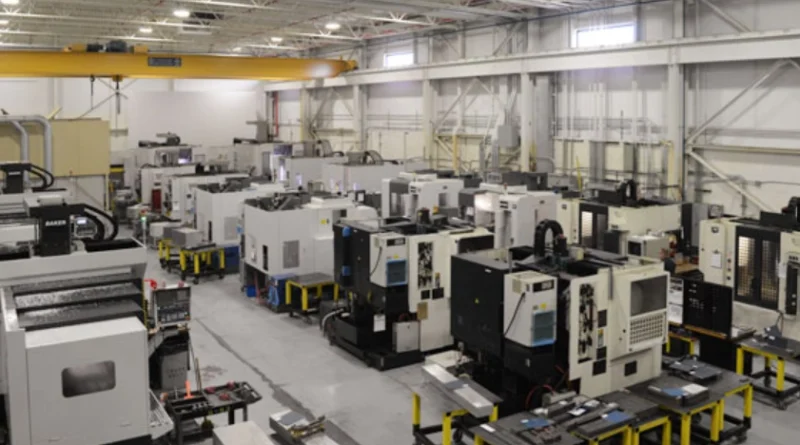
What Does CNC Certification Online Truly Teach Entry-Level Operators
The Core Competencies Taught in CNC Certification Online
Gaining a CNC certification online offers more than just a certificate. It helps build practical skills in technology, problem-solving, and step-by-step processes for running accurate machining tasks. These courses suit new learners and busy workers who need organized lessons without quitting their jobs. The lessons follow what you might see in a regular classroom. But they add ease with practice simulations, online workshops, and hands-on coding activities that match everyday factory settings. For instance, many folks start these programs after a long day at work, and the flexible schedule keeps them going without stress.
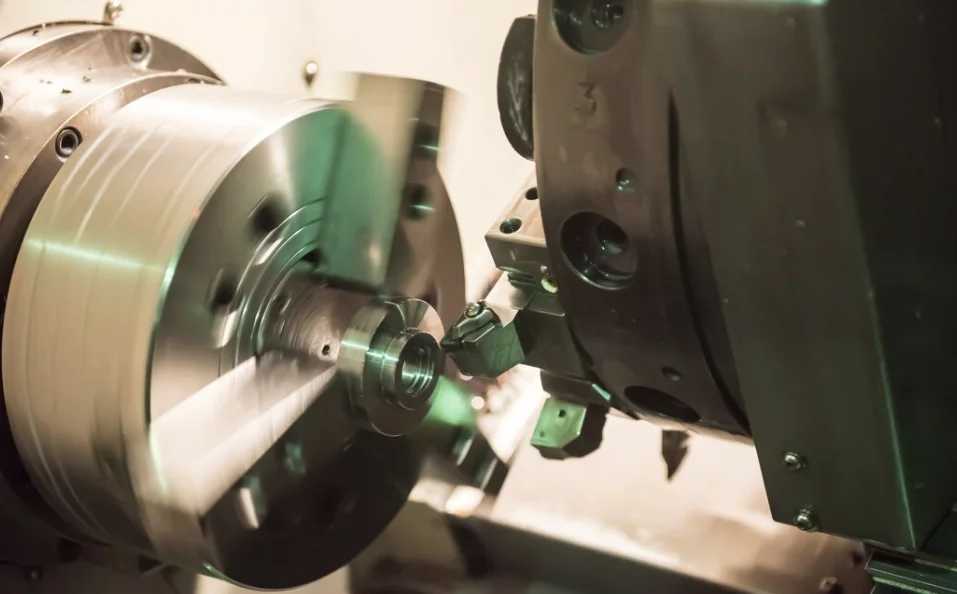
Before anyone can code or shape materials, they need to understand how CNC machines work and shift. Online certification classes begin with basic coordinate setups. These include the X, Y, and Z axes that guide every tool or part movement. You will study how G-code handles motion instructions. M-code takes care of machine tasks like turning on coolant or changing spindle direction. Teachers often use simple 3D pictures to explain how these codes turn into real tool routes.
The lessons also explain the parts of CNC machines. Think spindles, turrets, tool holders, and control screens. Each piece plays a clear role in making exact cuts. Another important topic is linking CAD/CAM tools. This shows how computer designs change into code that machines can follow. As a result, you start to see how programs and equipment talk to each other in full production lines. In real shops, this knowledge helps avoid mix-ups early on.
Material Properties and Machining Parameters
After learning machine basics, the focus shifts to how materials act when cut. Items like aluminum, titanium, and stainless steel respond in their own ways to warmth and force. An online CNC certification course teaches you to pick the right cutting speeds, which measure in surface feet per minute. It also covers feed rates, in inches per turn, and cut depths for various materials.
Tool wear matters a lot too. Tools get blunt from rubbing or extra heat, and that shifts part sizes beyond limits. Practice sessions in virtual spaces show this wear on screen. So, you can tweak settings before any real problems happen. These parts of the training aid in keeping good part standards. At the same time, they help make tools last longer. Every worker in a shop tries to hit that balance daily. Sometimes, a small change in speed can save hours of rework.
Blueprint Reading and Technical Drawings
Blueprints serve as the main way to share manufacturing plans. A trained CNC worker must read geometric dimensions and tolerances, or GD&T, with care. This ensures parts join right in bigger setups. Online sections guide you through symbols for flatness, roundness, straight lines, and more on design papers.
You will also work on turning those plans into cutting steps. This means picking starting points, reference spots, and the order of cuts to hold steady accuracy. Lots of courses have screen-based tasks. In them, you spot features on 3D views before creating tool paths. This skill links understanding designs to planning jobs. From my view in industry chats, beginners often stumble here at first, but practice makes it second nature.
Programming Skills Developed Through Online CNC Certification
Coding forms the center of today’s cutting work. Even basic operators require a good grip on G-code rules to adjust or fix programs quickly. Online classes mix ideas with safe practice in simulations. This way, you can check your code without risk before using it on a real setup.
G-Code Programming Fundamentals
A standard CNC program starts with safe setup lines. These set units, position styles, and spindle turns before moving tools. You will create straight-line moves with G01 for simple cuts. For curves or edges, use G02 or G03. The teaching stresses correct wording. Just one wrong dot could smash a tool against the part.
Skills in changing code count just as much. Often, ready-made CAM code needs small fixes for better flow or to match shapes. Figuring out mistakes step by step cuts down on stoppages when handling live gear. Picture a shop where a quick edit prevents a whole shift delay— that’s the value here.
Advanced Programming Concepts for Entry-Level Operators
Once you handle simple orders, the online certification moves to extra topics like subroutines and fixed cycles. These are ready patterns that ease repeated jobs such as drilling or threading. Using variables in code lets one set work for different part measures without rewriting everything.
Improving tool paths takes center stage too. You rearrange steps to cut empty moves and boost smooth finishes. The courses look at mixed methods. In these, CAM paths get hand-adjusted for sharper control on speed shifts or edge smoothing. This marks the work of able coders. In practice, I’ve seen operators shave 20% off cycle times with these tricks.
Machine Setup and Operation Training in Virtual Environments
Real setup practice stays key, even from afar. Online CNC certification courses use software that copies true machine panels, right down to buttons and motor reactions.
Simulated Machine Setup Procedures
You will try picking the best holders for parts. Vises work for box shapes, chucks for round ones. Then, you line them up on screen with shown dial tools. The class explains setting work shifts, like G54 to G59. This tells the machine where the part is from its start spot.
Measuring tool lengths happens in sims as well. Wrong entries cause fake crashes that highlight why exact setup checks are vital. It’s like a safety net before the real thing kicks in.
Digital Twin Applications for Operator Training
Some top online tools use digital twins. These act as exact copies of real CNC units for lifelike practice spots. With them, you watch graphs of motor loads or speed changes, just like being next to the machine.
These setups build safe habits too. They show outcomes if safety locks break or covers get ignored. No one wants that in reality, but seeing it online turns errors into quick lessons. Factories love grads who already know this stuff inside out.
Quality Control and Measurement Techniques Covered Online
Exact work in making doesn’t stop after cutting. Checking results is just as needed.
Introduction to Metrology Tools and Practices
Online CNC certification covers basics of measuring with tools like calipers, micrometers, height tools, and CMMs. You will note size info on digital forms that look like shop papers.
The classes stress measure doubts. These are tiny changes in even good tools. They teach ways to cut those down during checks. In a busy line, this keeps rejects low, maybe under 1% if done right.
Statistical Process Control (SPC) Basics for Operators
SPC lessons cover ways to sample and watch steady work over days. You will draw charts with top and bottom lines from allowed ranges. Catching patterns early lets you fix things before waste piles up.
Workers with this training help lean goals. They keep things even without always watching from quality pros. It’s a small shift that adds big reliability to teams.
Safety Standards Embedded in Online CNC Certification Programs
Safety weaves into each part of the course. Errors near spinning parts can lead to bad outcomes.
Occupational Safety Awareness for Machinists
You will learn to spot risks from turning spindles or thrown bits. Plus, the right gear like cut-proof gloves or splash-safe glasses.
Lockout/tagout steps come via short video flows. They show clear isolation for fix-ups. Even pros skip this under rush sometimes, so repeating it builds the habit.
Environmental Health Considerations in Machining Operations
Current cutting work includes green duties too. Safe coolant handling stops skin issues. Good chip clearing avoids dirt from metal mixes or oils.
Courses point to OSHA rules and ISO 45001 plans. This matches wide safety norms in plants around the world. One overlooked spill can halt a whole area, so it’s worth the focus.
Industry-Relevant Skills Beyond Machine Operation
Tech know-how isn’t enough for long jobs. Talking and record-keeping smooth out work across groups.
Communication and Documentation Practices in Manufacturing Settings
You will practice entering job details right in ERP setups. Traceability links back to batch numbers or check logs. This fits rules in fields like plane parts or health tools.
Team tasks mimic talks with designers on tool swaps after spotting shakes during a run. Clear words on problems cut time in later fix meetings. In real teams, a vague note can waste a day, but good ones speed things up.
Career Pathways After Earning CNC Certification Online
Finishing an online certification sets you up for growth. You can move from basic running to setup help or full coding jobs as real hours build.
Keep learning matters. Many finishers chase extra classes in multi-way coding or join programs mixing lessons with guided shop time at linked sites.
A collection of work, like coded sim projects and checked real parts, shows you’re set for bigger tasks. This shines in tough areas such as plane cutting or body part making. Over time, it opens doors wider than you might think at first.
FAQ
Q1: What prior experience do I need before enrolling in a CNC certification online?
A: Most programs welcome beginners but recommend basic math proficiency since calculations around feeds and speeds rely heavily on trigonometric relationships used daily by machinists.
Q2: How long does it take to complete an online CNC certification?
A: Typical durations range from three months for entry-level certificates up to one year if advanced programming modules are included alongside simulated lab assignments.
Q3: Are virtual simulations enough compared with hands-on shop training?
A: Simulations replicate real controls closely enough for foundational skill building; however, practical internships afterward help bridge tactile awareness missing from screen-based environments.
Q4: Does completing an online program qualify me immediately as a programmer?
A: Not instantly—you gain strong fundamentals but developing advanced toolpath strategies still requires supervised experience under senior machinists once employed full time.
Q5: Can this certification improve job prospects internationally?
A: Yes, many employers recognize accredited online CNC certifications since core competencies such as G-code literacy, GD&T interpretation, and SPC application remain universal across global manufacturing industries.