
What Makes RA RT RZ Critical in Design Validation with SOLIDWORKS CNC Machining
No Valid English Title Found
Surface finish is a decisive factor in CNC machining, directly affecting performance, assembly precision, and long-term durability. Parameters such as Ra, Rt, and Rz define measurable aspects of surface texture that engineers rely on for design validation. In SOLIDWORKS environments, these parameters bridge the digital model and the machined component, allowing designers and machinists to verify that each part meets both functional and visual expectations. When integrated into CAD/CAM workflows, roughness data supports predictive analysis, reduces rework, and strengthens quality assurance across production.
The Role of Surface Roughness in Design Validation
In CNC machining, surface texture is not just an aesthetic consideration—it’s a technical requirement that validates how a part performs under real conditions. Engineers must confirm that every machined surface aligns with the intended design tolerance to prevent issues during assembly or operation.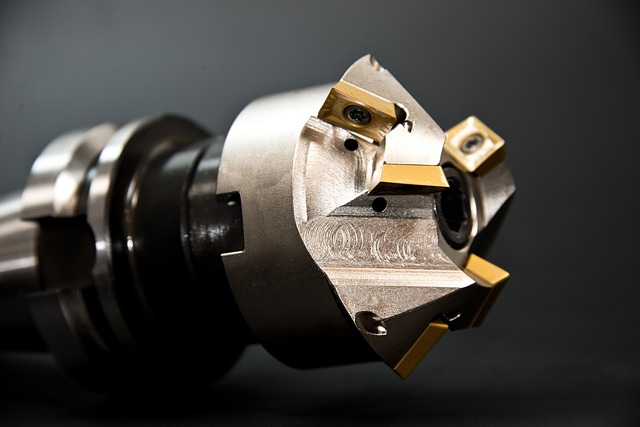
Surface Roughness Influence on Part Performance
Surface roughness affects frictional behavior, fatigue life, and sealing performance. For example, a bearing seat with excessive peaks may lead to uneven load distribution or premature wear. A smoother Ra value typically improves fatigue resistance because it minimizes micro-stress concentrations.
Importance of Accurate Measurement
Accurate measurement ensures that the produced surface matches the designer’s intent. Profilometers or optical scanners quantify roughness values precisely so that deviations can be corrected before mass production begins. This alignment between measurement and specification prevents functional mismatches.
Validation for Functional and Aesthetic Needs
Design validation extends beyond mechanical function; many industries also require specific finishes for visual uniformity or tactile feel. Aerospace components often demand low Ra values for aerodynamic efficiency, while consumer electronics prioritize consistent textures for brand identity.
Defining RA, RT, and RZ in Surface Metrology
Surface metrology uses standardized parameters to describe texture quantitatively. Among these, Ra, Rt, and Rz are the most commonly referenced in engineering drawings and inspection reports.
Ra (Roughness Average)
Ra represents the arithmetic mean of all vertical deviations from the mean line within a sampling length. It provides a general sense of smoothness but doesn’t capture isolated peaks or valleys. Designers often specify Ra when overall finish quality is more critical than localized irregularities.
Rt (Total Height of Profile)
Rt measures the total vertical distance between the highest peak and lowest valley across an evaluation length. It identifies extreme surface variations that could influence sealing surfaces or sliding contact areas where even minor irregularities matter.
Rz (Mean Roughness Depth)
Rz averages the height difference between five highest peaks and five deepest valleys within sampling lengths. This parameter gives a more detailed view of texture uniformity than Ra alone and is especially useful when evaluating wear patterns or coating adhesion potential.
The Importance of RA, RT, and RZ in CNC Machining Processes
Each machining parameter—feed rate, spindle speed, tool geometry—affects surface finish outcomes. Understanding how these variables interact with Ra, Rt, and Rz helps engineers predict results before cutting begins.
Correlation Between Machining Parameters and Surface Quality
A slower feed rate generally yields lower Ra values because it allows finer tool engagement per revolution. Conversely, high spindle speeds combined with sharp tool geometry can reduce both Rt and Rz by minimizing chatter marks. Monitoring tool wear is equally important; dull tools increase roughness dramatically over time.
Influence on Functional Performance of Components
Lower Ra values improve sealing capability in hydraulic systems by creating tighter contact zones. Controlled Rz levels enhance lubrication retention in sliding mechanisms like pistons or shafts. Excessive Rt may create stress risers that shorten fatigue life under cyclic loads—a common concern in aerospace fasteners or turbine blades.
Process Optimization Through Feedback Loops
CNC operators often adjust feeds or cutting depths based on measured roughness feedback from earlier runs. This iterative approach stabilizes surface finish consistency across batches while maintaining productivity targets.
Integrating RA, RT, and RZ Analysis into SOLIDWORKS Design Validation
Modern design environments such as SOLIDWORKS allow direct integration of surface finish analysis within digital models. This connection streamlines communication between design intent and manufacturing execution.
Applying Tolerance Analysis for Surface Roughness in SOLIDWORKS
Designers can assign surface symbols directly onto drawing views to specify acceptable Ra ranges or related metrics. Built-in tolerance analysis tools simulate how deviations might affect assembly fits or motion interfaces before physical prototypes are made.
Linking Simulation Data with CNC Machining Parameters
Virtual machining simulations use defined toolpaths to predict achievable roughness levels based on selected cutters and materials. These simulations provide early insight into whether target Ra or Rz values are realistic given machine capabilities.
Data-Driven Validation Before Production
By comparing simulated results with actual measurements from trial parts, teams establish data loops that refine tolerances continuously. This closed-loop validation reduces rework rates significantly while improving traceability across design revisions stored within SOLIDWORKS PDM systems.
Measuring and Validating Surface Finish in the Manufacturing Workflow
Measurement accuracy defines how confidently manufacturers can claim compliance with specifications. Choosing appropriate metrology techniques depends on material type, geometry complexity, and required precision level.
Techniques for Measuring RA, RT, and RZ Values
Contact profilometers remain industry standards for linear measurements over defined sampling lengths due to their repeatability. For delicate surfaces such as polished optics or coated components, non-contact methods like white light interferometry offer high-resolution mapping without risk of scratching.
Statistical Control Across Production Batches
Consistent measurement practices allow statistical evaluation using control charts to detect process drift early. When variation exceeds limits set by ISO 4287 standards for roughness parameters like Ra or Rz, corrective actions are triggered immediately.
Interpreting Results for Quality Assurance
Measured data compared against drawing tolerances confirms whether parts meet required specifications. Deviations often indicate tool wear or improper coolant flow rather than material defects—insights that help refine process stability over time.
Enhancing Collaboration Between Design and Manufacturing Teams Using SOLIDWORKS Tools
Effective communication between departments transforms surface finish control from reactive correction into proactive planning throughout product development cycles.
Communication of Surface Specifications Across Departments
Standardized annotation practices within SOLIDWORKS reduce misinterpretation when transferring models between design engineers and machinists. Shared digital models maintain alignment so that machining operations reflect original intent accurately without manual translation errors.
Leveraging Data for Process Optimization Efficiency
Integration with metrology databases supports automated validation workflows where inspection results feed back into CAD environments instantly. Historical trend analysis reveals correlations between geometric features—like fillet radii—and achieved roughness levels under specific cutting conditions.
Documentation and Traceability Benefits
Automated reporting tools compile inspection outcomes directly from measurement devices into structured reports suitable for regulatory audits or customer documentation packages. Revision control ensures every change remains traceable through project history logs stored securely in PDM systems.
FAQ
Q1: What is the main difference between Ra and Rz?
A: Ra measures average deviation from a mean line while Rz calculates average peak-to-valley height across several sample sections; thus Rz captures more localized irregularities than Ra does.
Q2: Why does Rt matter if Ra already indicates smoothness?
A: Rt highlights extreme profile variations that could cause sealing leaks or mechanical interference even when average smoothness appears acceptable by Ra standards.
Q3: How can SOLIDWORKS assist in predicting achievable surface finishes?
A: Its simulation modules estimate expected roughness based on toolpath definitions allowing designers to adjust machining parameters virtually before production begins.
Q4: Which measurement method suits delicate surfaces best?
A: Optical techniques such as white light interferometry are ideal since they avoid physical contact yet deliver high-resolution topography data suitable for thin coatings or fragile materials.
Q5: How does tracking roughness trends improve manufacturing quality?
A: Continuous monitoring identifies gradual shifts caused by tool wear enabling timely maintenance actions that keep finishes within specified limits across successive runs.