
Will CATIA CNC Expertise Compete With AI in the Future of Machining
Will CNC Machinists Be Replaced by AI?
Artificial intelligence is reshaping every layer of manufacturing, yet the question remains whether it can truly replace skilled CNC machinists. The short answer is no. While AI brings automation and predictive analytics, human expertise in CATIA CNC machining—where design precision meets complex material behavior—remains irreplaceable. Machines can calculate, but they cannot interpret context or make judgment calls on tolerances and finishes. The future of machining will not be about replacement but collaboration: a hybrid model where AI handles data-heavy tasks while machinists refine the craft through insight and experience.
The Intersection of CATIA CNC Expertise and Artificial Intelligence in Machining
As manufacturing moves toward digital ecosystems, CATIA CNC systems have become foundational in bridging design and production. Their integration with AI-driven platforms is transforming how data, geometry, and process intelligence interact.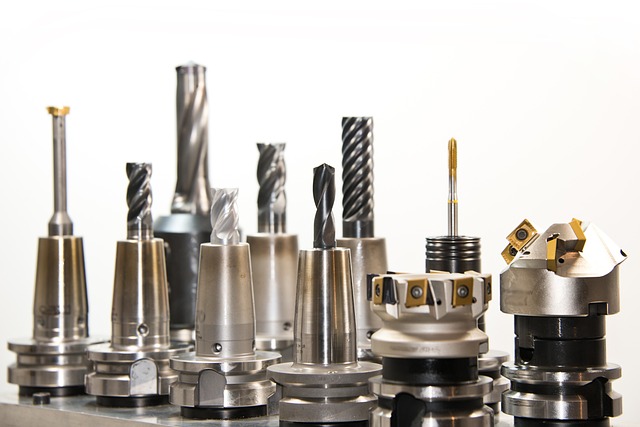
Understanding the Current Role of CATIA CNC in Modern Manufacturing
CATIA CNC software plays a critical role in translating 3D designs into precise machining instructions. It supports advanced modeling and simulation that allow manufacturers to visualize complex assemblies before cutting any material. Its compatibility with multi-axis CNC machines ensures smooth data flow from CAD to CAM, reducing errors between design intent and physical output. Skilled professionals use CATIA to refine tool paths, adjust surface finishes, and manage tolerances at micron levels—tasks where even minor inaccuracies can lead to costly rework.
The Emergence of AI Technologies in Machining Processes
AI has entered machining through predictive maintenance, adaptive control, and intelligent scheduling. Machine learning models now process vibration signals, spindle torque, or temperature variations to predict tool wear before failure occurs. This predictive layer reduces downtime and extends equipment life. In high-mix production environments, AI also automates parameter selection for cutting speeds or coolant flow based on previous job data. These capabilities minimize manual intervention while maintaining consistent quality across batches.
Evolution of Skill Requirements in the Era of AI-Assisted Machining
The integration of AI into manufacturing is changing not only workflows but also the skills required on the shop floor. Traditional programming roles are evolving into supervisory ones that balance human intuition with algorithmic guidance.
How AI Is Transforming Traditional CNC Programming Skills
AI-powered software can now generate G-code automatically from CAD files, eliminating repetitive programming tasks once done manually. Instead of writing line-by-line instructions, machinists validate system-generated code for accuracy and safety. Some systems even interpret geometric features from CAD/CAM models to propose optimized feeds or spindle speeds based on prior machining outcomes. As a result, operators spend more time calibrating sensors or monitoring process stability rather than coding routines.
The Continuing Value of CATIA CNC Expertise
Despite automation advances, deep technical understanding remains indispensable. Knowledge of geometry behavior under stress, chip formation dynamics, and fixture constraints cannot be replaced by algorithms alone. CATIA specialists bring contextual awareness—knowing when a simulation’s prediction might fail under real cutting conditions due to material anomalies or thermal expansion. When combined with AI analytics, this human insight creates hybrid workflows that outperform either system working alone.
Integrating CATIA CNC Workflows with AI-Based Systems
Merging CATIA’s robust modeling environment with machine learning platforms requires careful alignment of data structures and communication protocols. Success depends on interoperability between digital design tools and intelligent machining systems.
Data Interoperability Between CATIA and Intelligent Machining Platforms
Standardized exchange formats such as STEP-NC enable seamless communication between CAD/CAM software like CATIA and AI modules that analyze production metrics. Through these standards, design parameters flow directly into machine learning frameworks for optimization feedback. Real-time loops connect virtual simulations with live sensor data from shop-floor machines, allowing continuous adjustment during operation. Digital twins extend this concept further by creating dynamic replicas that evolve as new performance data arrives.
Enhancing Process Validation Through AI-Augmented Simulation
Simulation accuracy improves significantly when AI learns from historical machining records—cutting forces, tool deflection trends, or coolant pressure variations—to refine its predictions over time. This approach shortens setup cycles during prototyping because fewer trial cuts are needed to validate tool paths. By integrating these insights back into CATIA’s environment, engineers can test multiple scenarios virtually before committing to physical runs. Such closed-loop validation reduces waste while accelerating time-to-market for complex components like turbine blades or medical implants.
The Future Landscape of Machining: Collaboration Between Human Expertise and Artificial Intelligence
The manufacturing workforce is shifting from manual craftsmanship toward digital orchestration roles where human reasoning complements automated intelligence.
Anticipated Shifts in Manufacturing Roles and Responsibilities
Future engineers will act as system integrators who coordinate robotic cells, software agents, and quality sensors within unified production frameworks. Collaboration between data scientists analyzing performance metrics and machinists interpreting physical behaviors will become standard practice. Continuous professional training will remain vital as technologies evolve faster than traditional curricula can adapt.
Strategic Advantages for Professionals Skilled in Both CATIA CNC and AI Tools
Professionals fluent in both domains hold strategic positions in modern factories undergoing digital transformation. They can interpret algorithmic outputs not just as numbers but as actionable strategies—adjusting cutting sequences or fixture setups accordingly. This dual capability provides a competitive edge by merging precision engineering knowledge with computational intelligence to drive efficiency without sacrificing craftsmanship quality.
Preparing for the Next Generation of Intelligent Machining Ecosystems
Sustainable integration between human expertise and machine learning requires structured frameworks that promote transparency, collaboration, and adaptability across industry stakeholders.
Building a Framework for Sustainable Integration of Human Knowledge and Machine Learning
Developing standardized methods for collecting operational data—from spindle loads to acoustic emissions—is essential for reliable model training. Manufacturers must encourage open collaboration among software developers, machine tool builders, and research institutions to align innovation goals with industrial realities. Within production facilities, adaptive learning environments should be promoted so that both humans and algorithms evolve together through iterative feedback cycles rather than isolated upgrades.
FAQ
Q1: Will AI eventually replace all aspects of CNC machining?
A: No. While AI automates repetitive programming tasks and predictive maintenance, it cannot replicate the nuanced decision-making required for complex materials or custom geometries.
Q2: How does CATIA CNC integrate with modern AI tools?
A: Through standardized interfaces like STEP-NC that allow bidirectional communication between design models in CATIA CNC systems and machine-learning-based optimization platforms.
Q3: What benefits do digital twins bring to machining?
A: Digital twins create virtual replicas of machines that update in real time using sensor feedback, enabling proactive adjustments before issues affect production quality.
Q4: Are traditional machinist skills still relevant today?
A: Absolutely. Expertise in material science, tooling strategy, and geometric reasoning remains critical even when supported by advanced automation tools.
Q5: What should manufacturers prioritize when adopting AI-driven machining systems?
A: They should focus on building interoperable data infrastructures and fostering cross-disciplinary teams capable of interpreting both physical processes and algorithmic insights effectively.