
Will Computer Numerical Control Programmer Roles Be Replaced by AI Soon
Will CNC Machinists Be Replaced by AI?
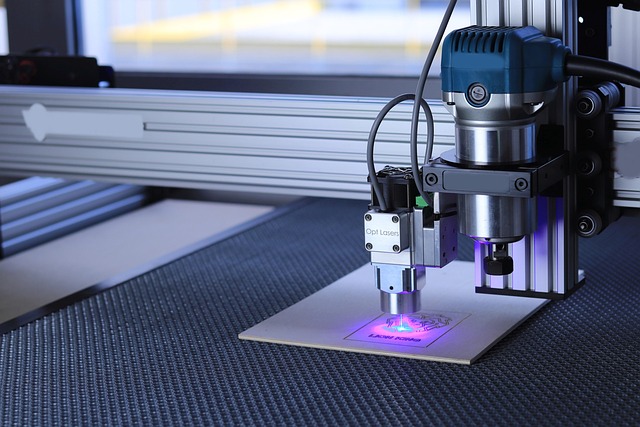
The short answer is no, at least not entirely. Artificial intelligence is reshaping how manufacturing operates, but the role of the computer numerical control programmer remains vital. AI can handle repetitive coding and predictive adjustments, yet it lacks the nuanced decision-making that seasoned programmers bring to complex machining. By 2026, CNC programmers are expected to work alongside AI systems rather than be replaced by them, focusing more on supervision, analysis, and integration of smart tools.
The Current Landscape of Computer Numerical Control (CNC) Programming
CNC programming continues to evolve as manufacturing becomes more digital and interconnected. The modern computer numerical control programmer is no longer just a code writer but a strategic link between design and production.
The Role and Responsibilities of CNC Programmers
A CNC programmer converts engineering blueprints into precise machine instructions that guide cutting tools along defined paths. Their duties include generating toolpaths, selecting materials, setting machining parameters, and verifying that each operation meets tolerance standards. They act as translators between design engineers and machinists on the floor, ensuring that every part matches design intent while minimizing waste.
Technological Advancements Shaping CNC Programming
Recent years have brought significant advances in CAD/CAM integration. Design data now flows directly into machine code with fewer manual steps. Cloud-based software allows teams across continents to collaborate on the same part model in real time. Adaptive machining systems—driven by sensors and data feedback—adjust cutting speeds or tool angles automatically when material inconsistencies arise. These developments make programming faster but also demand deeper technical literacy from programmers.
The Emergence of Artificial Intelligence in Manufacturing
AI has entered manufacturing not as a novelty but as an essential component of process optimization. Its integration into CNC environments signals a shift toward smarter production ecosystems.
How AI Is Being Integrated into CNC Systems
AI models can read machining data streams—temperature, vibration, torque—and adjust feed rates or spindle speeds instantly for maximum performance. Predictive maintenance algorithms detect tool wear before failure occurs, reducing downtime and scrap rates. Machine learning also allows systems to self-correct by comparing real-time results with historical data patterns, creating a continuous improvement loop within production lines.
The Relationship Between AI and Traditional Automation
Traditional automation follows fixed logic: once programmed, it repeats the same actions indefinitely. AI-driven automation differs because it adapts based on outcomes and sensor feedback. It doesn’t just execute; it evaluates and adjusts. This difference transforms how factories operate—machines learn from prior runs to improve accuracy without human intervention every time. Still, human oversight remains critical for validating those automated decisions against production goals.
Evaluating the Potential for AI to Replace CNC Programmers
As AI grows more capable, the question arises whether it can fully replace human programmers. The answer depends on task complexity and context rather than raw computational power.
Tasks That Can Be Automated by AI Systems
AI excels at repetitive coding tasks such as generating standard part programs or optimizing toolpaths for simple geometries. Generative algorithms can quickly produce G-code for routine components based on predefined templates. Real-time optimization engines adjust spindle speed or coolant flow based on sensor input to maintain consistent quality. Automated error detection systems now flag potential collisions or tolerance deviations before production begins.
Areas Where Human Expertise Remains Critical
Complex multi-axis machining still demands human reasoning about geometry, material behavior, and tolerances that no algorithm fully grasps yet. When drawings contain ambiguous notes or incomplete specifications—a common occurrence in custom manufacturing—a skilled programmer interprets intent rather than merely following data points. Decisions involving trade-offs between cycle time reduction and surface finish often rely on experience gained through years of shop-floor exposure.
The Future Skillset for CNC Programmers in an AI-Augmented Environment
With machines becoming more autonomous, programmers must evolve beyond traditional coding into hybrid roles blending analytics, simulation, and system management.
Evolving Competencies for the Modern CNC Professional
Tomorrow’s computer numerical control programmer will need fluency in data analytics and basic machine learning principles to interpret algorithmic outputs effectively. Familiarity with digital twin technology—virtual replicas of machines used for testing setups before physical execution—will be essential for simulation-based validation. Collaboration with software developers will also rise in importance as programming increasingly overlaps with industrial IT infrastructure.
Education and Training Pathways for Sustainable Career Growth
Continuous education will define career longevity in this field. Advanced CAD/CAM certifications keep professionals aligned with evolving software standards. Partnerships between manufacturers and AI solution providers are giving trainees hands-on exposure to real-world automation projects. Upskilling programs focusing on human-AI collaboration help workers transition smoothly from manual coding toward supervisory roles overseeing integrated systems.
Industry Perspectives on the Timeline for AI Integration in CNC Programming Roles
The pace of adoption varies widely across sectors but shows consistent upward momentum toward partial automation rather than full replacement.
Current Adoption Rates Across Manufacturing Sectors
Aerospace and automotive industries lead due to their demand for precision machining under tight tolerances. Their capital-intensive nature supports investment in intelligent machining centers equipped with adaptive control modules. Meanwhile, small to medium enterprises adopt semi-autonomous solutions gradually—often starting with predictive maintenance or cloud-based monitoring tools—to balance costs against productivity gains.
Predictions for the Near Future of CNC Programming Roles
By 2026, partial automation will likely reshape job scopes instead of eliminating them outright. Human oversight will still be required for calibration checks, quality audits, and troubleshooting unforeseen anomalies during production runs. The computer numerical control programmer’s role may evolve into one focused more on analytical supervision—interpreting system feedback rather than writing every line of code manually—but their relevance remains secure within advanced manufacturing ecosystems.
FAQ
Q1: Can AI currently write complete CNC programs without human input?
A: It can generate basic code templates for standard parts but still needs review by a qualified programmer before execution.
Q2: What industries are leading in adopting AI-driven CNC systems?
A: Aerospace and automotive sectors remain ahead due to their precision requirements and higher investment capacity.
Q3: How does predictive maintenance benefit machine shops?
A: It minimizes unplanned downtime by identifying wear patterns early through sensor data analysis.
Q4: Will future CNC programmers need software development skills?
A: Yes, familiarity with scripting languages and API integration will become increasingly valuable as systems grow interconnected.
Q5: Is full automation realistic within the next decade?
A: Not entirely; while many tasks will automate further, expert oversight will continue guiding high-stakes operations where precision is non-negotiable.